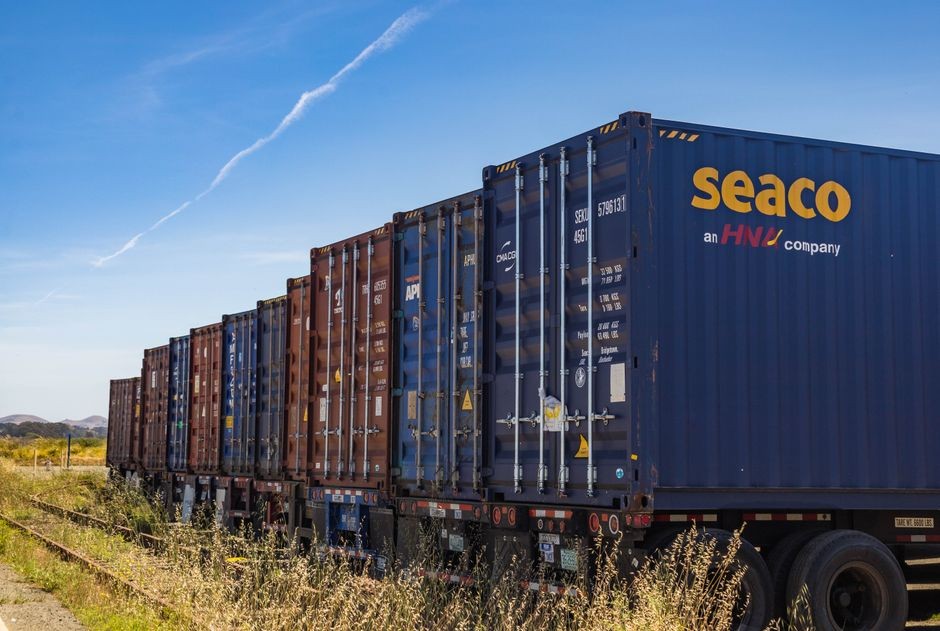
According to indiashippingnews.com, India has completed its 2,843-km Dedicated Freight Corridor (DFC) network — comprising the 1,337-km Eastern Dedicated Freight Corridor and the 1,506-km Western Dedicated Freight Corridor — marking a foundational shift in national freight logistics.
Record Freight Volume and Strategic Imperative
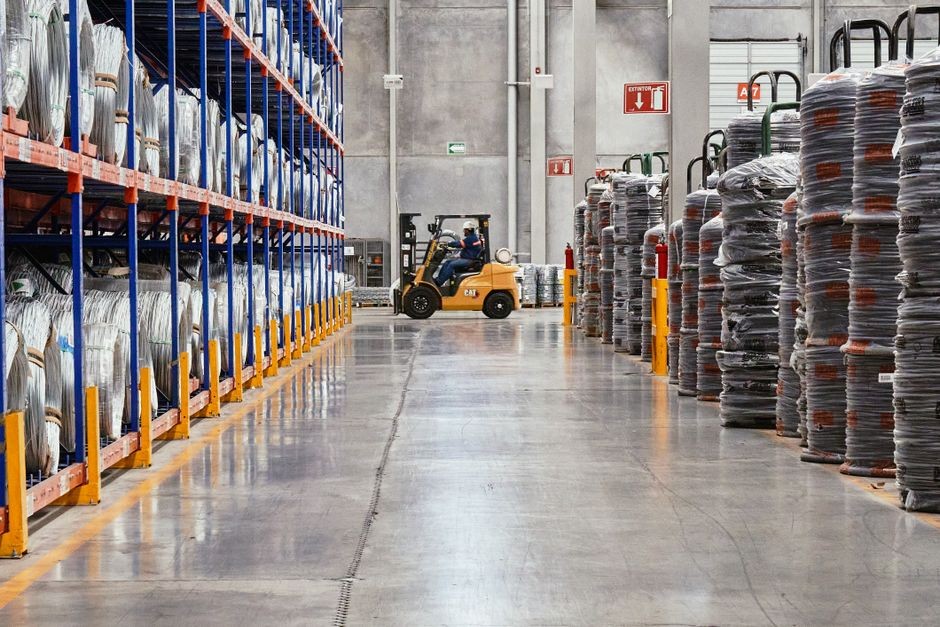
Indian Railways carried a record 1,670 million tonnes of freight in FY 2025–26, a 3.25% increase over the prior year, positioning it as the world’s second-largest freight-carrying railway system. Yet the source stresses that volume alone is insufficient: the next objective is to move freight faster, more reliably, and at lower total logistics cost. This requires an integrated ecosystem anchored on the DFCs — including modern Gati Shakti Cargo Terminals, private freight terminals, inland container depots, multimodal logistics parks, and specialised wagons.
Port Integration and EXIM Competitiveness
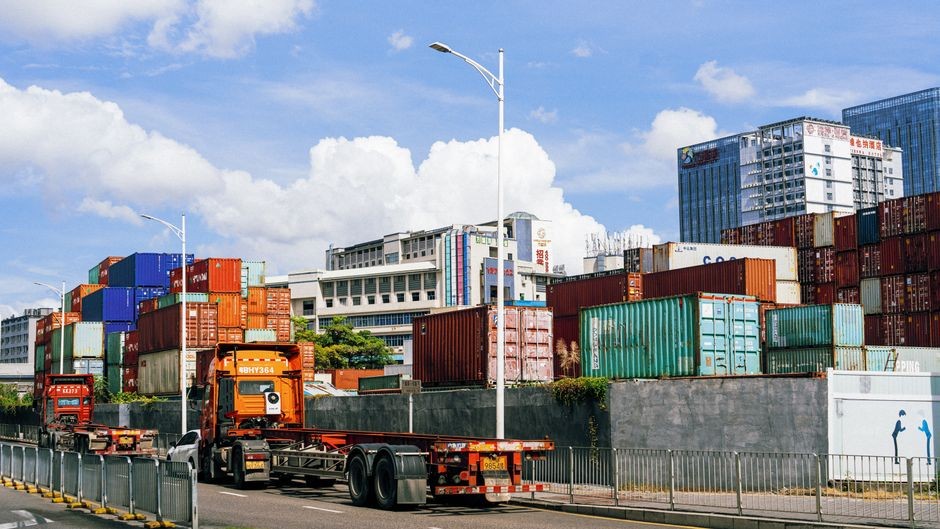
A high-capacity rail link to Jawaharlal Nehru Port Terminal (JNPA) is highlighted as a potential game changer for India’s export-import ecosystem. By connecting manufacturers across the northern and western hinterland directly to maritime trade, the corridor supports national initiatives including Make in India, Atmanirbhar Bharat, and Viksit Bharat 2047. The source notes that supply chain competitiveness hinges not only on manufacturing cost but on the time and cost to move goods from factory to port and port to market — a gap the DFC infrastructure aims to close.
Next Frontier: Dankuni–Surat Corridor
The Union Budget 2026 announced a new east-west Dedicated Freight Corridor linking Dankuni in West Bengal with Surat in Gujarat. Preparation and updating of its Detailed Project Report has commenced. This proposed corridor would connect eastern industrial and mineral regions with western manufacturing hubs and ports — adding a strategic dimension to India’s freight grid and advancing the vision of a nationally integrated freight network spanning production clusters, consumption centres, ports, logistics parks, and international gateways.
Railway 4.0 and Ecosystem Innovation
With physical infrastructure largely complete, the focus must shift to technology-enabled operations. The DFC is positioned as a living laboratory for Railway 4.0, incorporating artificial intelligence, IoT, digital twins, predictive maintenance, automated inspection, and real-time freight visibility. Opportunities exist across signalling, train control, locomotives, braking systems, electrification, telecom, terminal automation, freight IT platforms, and multimodal integration — all critical to transforming track kilometres into economic value.
A New Measure of Success
Dr. Vinod Shah, Director General of the Chamber of Railway Industries (Rail Chamber), stated:
“The completion of India’s Dedicated Freight Corridor network is a landmark achievement, but the real measure of success will be what we build around it. The next revolution must connect DFCs with ports, terminals, industries, logistics parks, technology platforms and global supply chains. India must move from building freight infrastructure to creating a globally competitive logistics ecosystem.”
The source frames this as a transition from constructing a railway backbone to building a logistics nervous system — one requiring coordinated action by industry, government, logistics operators, and technology providers.
Source: indiashippingnews.com
Compiled from international media by the SCI.AI editorial team.