Skip to content

Latin America Supply Chain

China-Brazil Supply Chain Loans Cut Financing Cost by 13–15 Points

Brazilian firms engaged in trade with China can now tap into cross-border financing structures leveraging China’s 2%–4% benchmark loan rates — a stark contrast to Brazil’s ~17% domestic financing cost. The 13–15 percentage-point gap enables extended payment terms (up to 12 months vs. three months) for Brazilian subsidiaries buying from Chinese parents. Tian Bin of IEST Group and CECPS confirmed the initiative targets high-value imports and projects. Additional fees like letters of credit and guarantees may add 1%–3% to total cost. Chinese state banks apply strict criteria, while Hong Kong and Macau institutions show greater flexibility for Brazil-linked deals.

Original source: Source information pending

China-Brazil Supply Chain Loans Cut Financing Cost by 13–15 Points

According to china2brazil.com.br, Brazilian companies importing from or collaborating with Chinese firms can access cross-border financing structures that leverage China’s lower interest rates — reducing effective financing costs by up to 15 percentage points compared to domestic Brazilian rates.

Interest Rate Gap Drives Cross-Border Opportunity

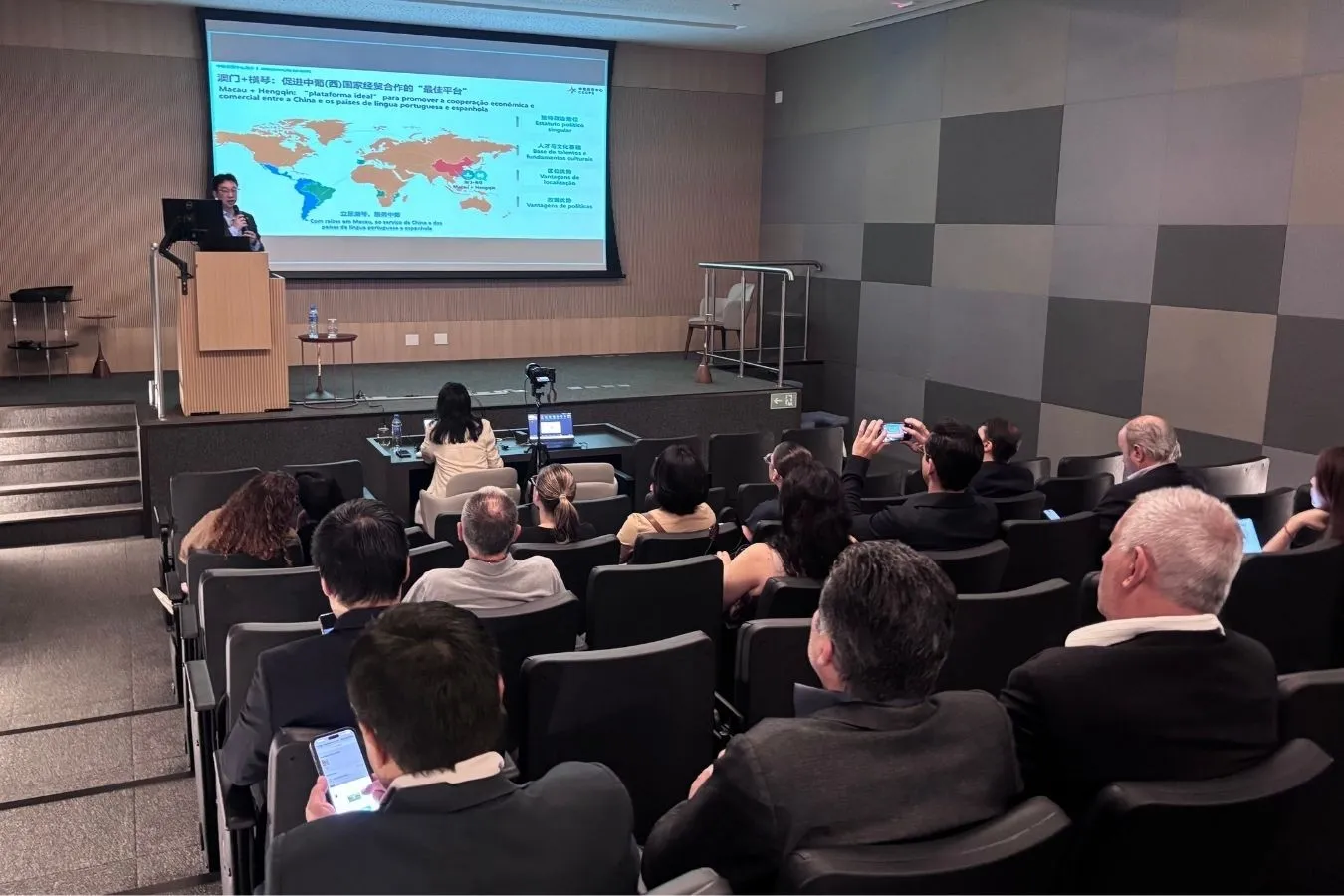
The benchmark interest rate for one-year RMB working capital loans and trade financing in China ranges from 2% to 4%, while local Brazilian financing costs stand at approximately 17% or higher — driven by elevated Selic and CDI rates. This 13–15 percentage-point spread forms the economic foundation for new transnational financing models. As Tian Bin, CEO of the IEST Group and Director of the Economic and Commercial Services Department at the China-Portuguese Speaking Countries Economic and Trade Service Center (CECPS), explained:

“Since China offers a more attractive interest rate, we are trying to bring money from China to Brazilian companies.”

Targeted Structures for High-Value Operations

The CECPS proposal focuses on high-value transactions — particularly equipment imports and project financing — where the interest differential has the greatest operational impact. One advanced structure serves Chinese multinational groups with Brazilian subsidiaries, especially in auto parts, renewable energy equipment, and industrial machinery. In these cases, the Brazilian subsidiary purchases goods from its Chinese parent or intra-group suppliers. The cross-border financing extends the payable period for the Brazilian entity from roughly three months to up to 12 months, while the Chinese supplier receives early payment.

The model also includes alternative configurations: using Brazilian deposits or assets as collateral, or designating the Chinese parent company as the borrower. These variations accommodate differing risk appetites and regulatory constraints across institutions.

Final Cost Includes Add-Ons Beyond Base Rate

Although the Chinese reference rate is 2%4%, this is not the final cost for Brazilian operations. Depending on structure, additional instruments — such as deferred letters of credit and payment guarantees — may raise the all-in annual cost by 1% to 3%. Credit approval remains mandatory: banks assess the borrower’s creditworthiness regardless of collateral. Larger Chinese state-owned banks apply stricter overseas lending criteria, whereas other institutions — including those in Hong Kong and Macau — offer greater flexibility and already engage in preliminary discussions with Brazilian counterparts.

Source: china2brazil.com.br

Compiled from international media by the SCI.AI editorial team.
Ask SCI.AI Finished reading? Continue with SCI.AI. Explore the related policy, route, company and historical context. Continue asking
Peru’s OLCI Demands Customs Modernization to Curb $143.3M Used Clothing Smuggling
Latin America Supply Chain

Peru’s OLCI Demands Customs Modernization to Curb $143.3M Used Clothing Smuggling

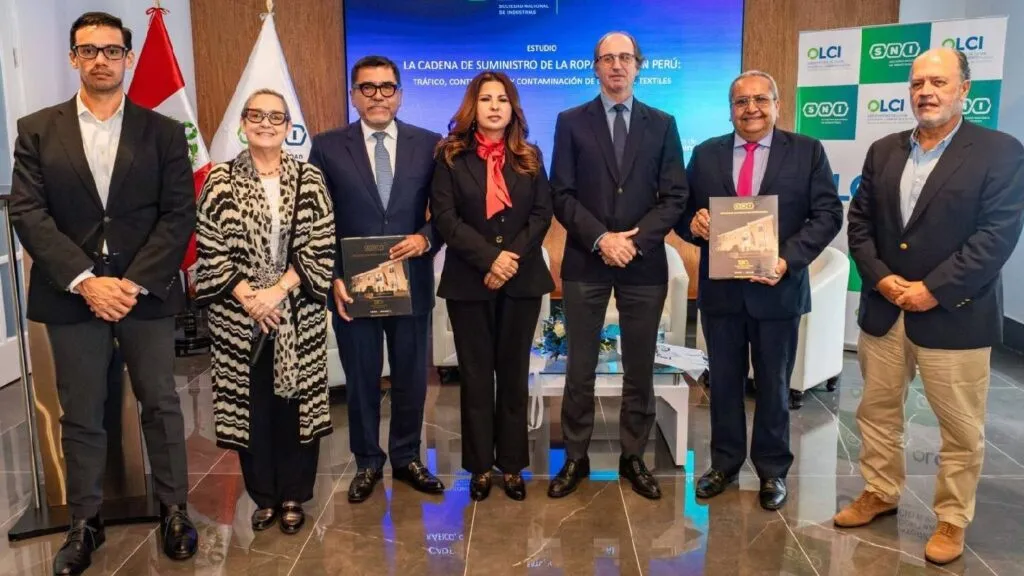
Peru’s Observatory for Illicit Trade (OLCI) has urged comprehensive customs modernization to disrupt a transnational smuggling network moving $143.3 million in used clothing annually into South America—primarily via Chile, which imported an average of 136,095 tons per year from 2021–2023. The Institute of Criminology’s study maps an 11-link criminal chain involving document fraud, corruption, and environmental dumping across 24 waste sites. OLCI recommends digital risk systems, coordinated law enforcement targeting organized networks—not informal vendors—and municipal enforcement against prohibited sales. It stresses that anti-smuggling and environmental protection are inseparable goals requiring trilateral cooperation with Chile and Bolivia.

UnionPay plugs Chinese apps into Brazil’s Pix after US tariffs
Latin America Supply Chain

UnionPay plugs Chinese apps into Brazil’s Pix after US tariffs

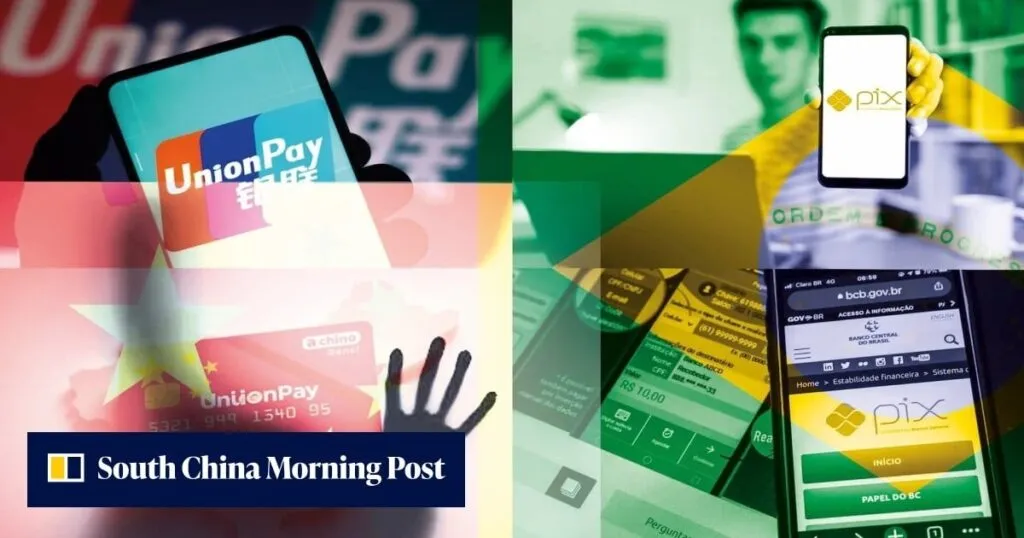
UnionPay International is connecting Chinese mobile payment apps—including the UnionPay app and bank-linked wallets—to Brazil’s Pix instant payment system, enabling Chinese tourists to scan QR codes and pay in real time. The pilot launches in Q3 2026 amid U.S. tariffs targeting Pix’s regulatory model. Pix, launched in November 2020, serves 15 million merchants and processes over 1.2 billion transactions monthly. The integration marks UnionPay’s first direct linkage with a non-Asian national real-time payment system and reflects growing financial infrastructure alignment between China and Latin America.

Walgreens opens Washington micro-fulfillment center, processes 7M prescriptions yearly
Latin America Supply Chain

Walgreens opens Washington micro-fulfillment center, processes 7M prescriptions yearly

Walgreens has launched an automated micro-fulfillment center in Kent, Washington, on July 22, 2026. The facility processes 7 million prescriptions annually and supports 196 stores — 122 of them in Washington state. Part of a resumed initiative paused in 2023, the center combines robotics with pharmacist oversight to improve prescription turnaround and patient care. Jon Joplin, Walgreens’ chief technology and operations officer of automated fulfillment, highlighted how the integration strengthens regional service capacity while freeing pharmacists for clinical work. The site exemplifies a broader shift toward compact, tech-enabled pharmacy logistics nodes.

Welcome Back!

Login to your account below

Create New Account!

Fill the forms below to register

Retrieve your password

Please enter your username or email address to reset your password.

Scan to share via WeChat

Open WeChat and scan the QR code to share

QR Code

Add New Playlist