Skip to content

AI & Automation · Disruptions · ESG & Regulation · Geopolitics · Logistics & Transport · Manufacturing · Procurement · Risk & Resilience · Supply Chain · Sustainability · Technology

RoadOne acquires Port of Charleston facility to expand operations

RoadOne has acquired a new facility at the Port of Charleston in South Carolina to expand its East Coast logistics operations. The company plans to integrate the site by Q4 2026 and invest $2.3 million in equipment upgrades over 18 months. The Port of Charleston handles over 3.2 million TEUs annually and offers direct access to I-26 and I-95. RoadOne will retain all current on-site personnel and target full operational readiness in early 2027.

Original source: Source information pending

RoadOne acquires Port of Charleston facility to expand operations

RoadOne has expanded its operations at the Port of Charleston through an acquisition.

Acquisition details

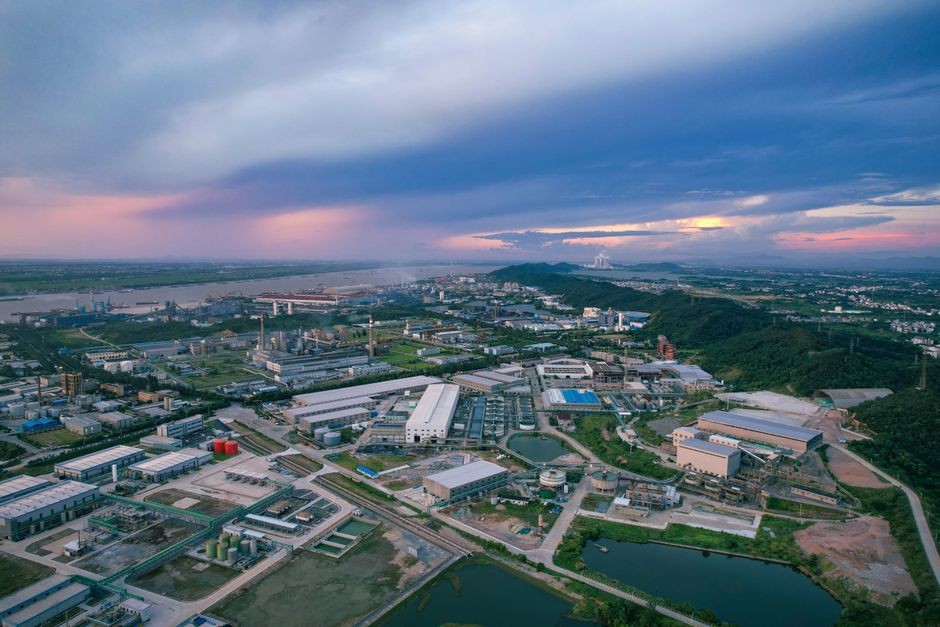
The acquisition adds a new facility in Charleston, South Carolina, to RoadOne’s existing infrastructure portfolio. This move strengthens RoadOne’s capacity to serve customers operating along the U.S. East Coast. The facility is located within the Port of Charleston’s industrial zone and supports containerized freight handling and distribution logistics.

Strategic growth focus

RoadOne stated that the acquisition aligns with its long-term strategy to increase regional footprint and service reliability. The company plans to integrate the facility into its network by Q4 2026, with full operational readiness targeted for early 2027. RoadOne confirmed that it will retain all current on-site personnel and invest $2.3 million in equipment upgrades over the next 18 months.

Port of Charleston context

The Port of Charleston ranks among the top five U.S. container ports by volume, handling over 3.2 million TEUs annually. Its location provides direct access to major interstate corridors including I-26 and I-95, supporting inland distribution across the Southeastern United States. RoadOne emphasized that the port’s deep-water capabilities and rail connectivity were decisive factors in selecting this site.

Source: FreightWaves

Compiled from international media by the SCI.AI editorial team.
Ask SCI.AI Finished reading? Continue with SCI.AI. Explore the related policy, route, company and historical context. Continue asking
India Launches Rs 10,000 Crore Container Manufacturing Scheme
Manufacturing

India Launches Rs 10,000 Crore Container Manufacturing Scheme

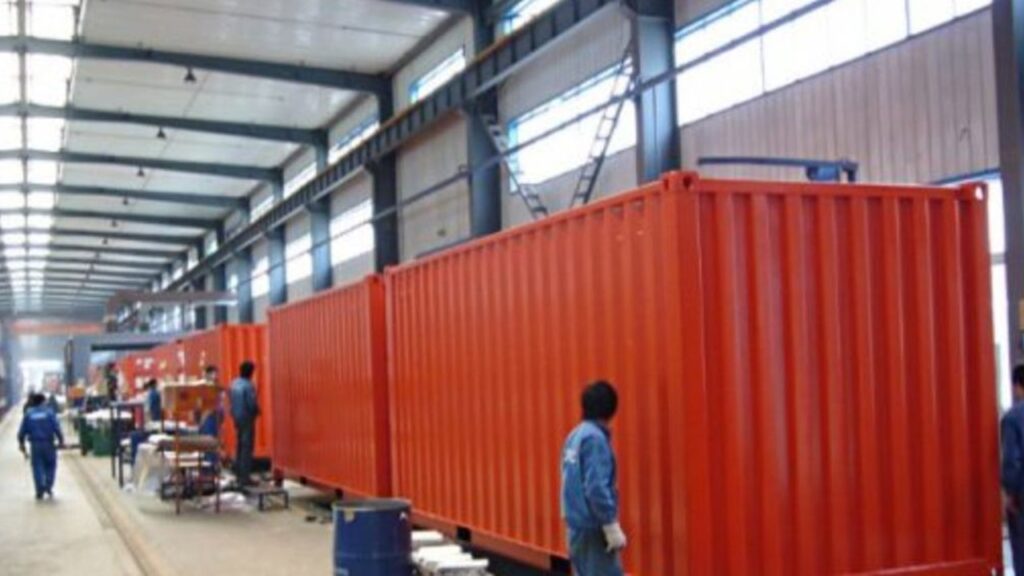
India has launched the Container Manufacturing Assistance Scheme (CMAS) with a Rs 10,000 crore budget over five years, as announced in the Union Budget 2026–27. The initiative aims to boost domestic container production to 7.5 lakh TEUs annually and cut dependence on the nearly 2 million empty containers imported each year. Driven by supply-chain vulnerabilities highlighted by UNCTAD — including freight volatility and port network stress — CMAS supports greenfield and brownfield investments, testing infrastructure, and workforce skilling. It aligns with Maritime Amrit Kaal Vision 2047 and Make in India, targeting enhanced maritime capability and long-term trade competitiveness.

China’s Auto Exports Strain Shipping Capacity, Vessels Delayed to 2030
Manufacturing

China’s Auto Exports Strain Shipping Capacity, Vessels Delayed to 2030

Surging Chinese vehicle exports are intensifying global shortages of pure car and truck carriers (PCTCs), according to FreightWaves. Shipyard capacity is fully booked through 2029, pushing new vessel deliveries to 2030 or later. Older vessels approaching 30 years of age face retirement, and fleet scrapping may offset new deliveries late this decade. China-linked spot and time-charter rates jumped ~80% in Q2 and likely doubled from Q1 lows. These dynamics reflect structural constraints — not cyclical fluctuations — in global auto shipping capacity.

AI Demand, Material Shortages Raise Supply Chain Risks Through 2027
AI & Automation

AI Demand, Material Shortages Raise Supply Chain Risks Through 2027

S&P Global reports that supply chain risks have evolved beyond port congestion to material scarcity, AI-driven component shortages, and tariff uncertainty — all extending pressure on availability and pricing through 2027. Petrochemical imports into Asia fell to 73% of pre-conflict levels; semiconductor export prices hit 715% of 2023 averages; U.S. computer producer prices are forecast to rise 16% by Q2 2027. Safety-stock inventories climbed to 51.4 in May, the highest since August 2022, while memory chip capital spending is set to reach $181.1 billion in 2027 — up 141% from 2024.

Welcome Back!

Login to your account below

Create New Account!

Fill the forms below to register

Retrieve your password

Please enter your username or email address to reset your password.

Scan to share via WeChat

Open WeChat and scan the QR code to share

QR Code

Add New Playlist