According to e.vnexpress.net, Citibank has raised its gross domestic product growth forecast for Vietnam to around 8% for the year, following stronger-than-expected economic performance in the second quarter.
Accelerating Economic Performance
The revised outlook was presented at Citi’s economic outlook seminars for clients in Hanoi and Ho Chi Minh City on Aug. 11 and 12. The bank adjusted its forecast upward after Vietnam’s GDP grew 8.5% year-on-year in the second quarter. This acceleration marks a significant improvement from the 7.9% growth rate recorded in the first quarter.
The stronger performance prompted the financial institution to revise its full-year forecast. Previously, the bank had cut its projection to the low-7% range following an energy-price shock in March. The rapid upward revision highlights the economy’s ability to withstand initial external shocks.
Export Resilience and Supply Chain Integration
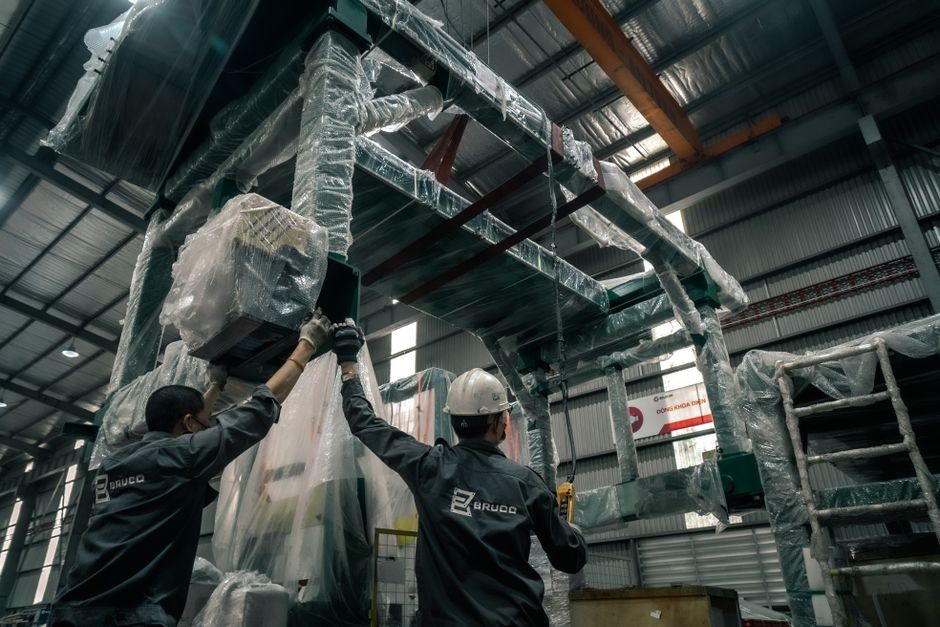
Exports have remained more resilient than expected, with the U.S. accounting for about 30% of Vietnam’s total exports. Electronics exports are benefiting from strong global investment in artificial intelligence and digital infrastructure.
Although exports to the U.S. have slowed from their 2025 peak, growth remains elevated. Trade with China has also strengthened. Vietnam’s exports of electronics and components to China have accelerated, while imports of electronic inputs, energy, and chemicals have increased.
This flux in trade flows reflects deeper integration into regional manufacturing and electronics supply chains. The country continues to serve as a vital node in the broader Asian production network.
Domestic Demand and Inflation Concerns
Domestic demand has helped offset external and energy-related pressures. Real retail sales weakened in early Q2 as fuel prices rose but recovered as prices stabilized.
Public infrastructure investment remained strong, while construction-material production maintained double-digit growth despite moderating from Q1. However, inflation remains a concern. Consumer price inflation reached 4.7% year-on-year in June.
Citi expects inflation to have passed its peak following lower oil prices and government measures to stabilize fuel costs. Although it may remain above the 4.5% target in the near term, the upward pressure is expected to subside.
Outlook and Risks
“Vietnam continues to demonstrate impressive resilience in a volatile global environment. Its expanding trade relationships, deeper participation in global supply chains, and sustained investment in infrastructure provide a strong foundation for long-term growth,” Minh Ngo, Citi Country Officer and Banking Head for Vietnam, said.
“Through Citi’s global network and local capabilities, we remain committed to helping clients navigate changing market conditions, access international capital, and capture new cross-border opportunities,” Minh added.
Key downside risks include renewed energy-price volatility, weaker global demand, changing international trade conditions, and potential disruption to hydropower generation associated with El Niño. Nevertheless, Citi expects exports, investment, and domestic demand to continue supporting Vietnam’s economic growth through the rest of 2026.
Source: e.vnexpress.net
Compiled from international media by the SCI.AI editorial team.