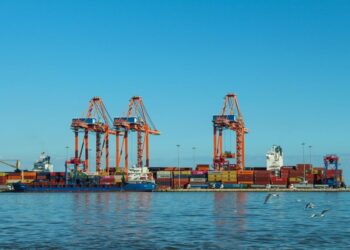
According to www.brasil247.com, China’s foreign trade expanded 17.3% in the first seven months of 2026, reaching ¥30.13 trillion (approximately $4.2 trillion USD), even as U.S.-China trade tensions intensified under the Trump administration.
Record Trade Volume and Balanced Growth
Chinese exports totaled ¥17.44 trillion from January to July 2026, an increase of 14% year-on-year, while imports surged 22% to ¥12.69 trillion. This faster growth in imports signals rising domestic demand for foreign goods—including electromechanical products, commodities, and minerals—and contributes to a more balanced external trade profile. The 22% import growth outpaced export growth by 8 percentage points, underscoring China’s evolving role as both a manufacturing hub and a major consumption market.
Diversification Beyond the U.S. Market
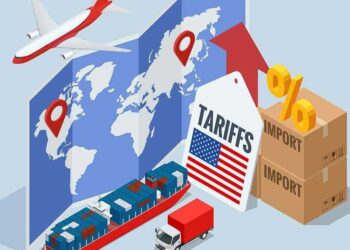
While bilateral trade with the United States declined 1.6% over the same period, China deepened commercial ties with over 180 countries. Key partners included the Association of Southeast Asian Nations (ASEAN) and the European Union—both maintaining top-tier status in China’s trade network. This geographic diversification insulated overall trade performance from U.S. protectionist measures, including tariffs and export controls introduced during the Trump administration. As a result, the U.S. share of China’s total trade fell, while ASEAN and EU shares held steady or increased.
High-Tech Exports Surge Past 50%
In July 2026, high-technology exports grew by more than 50% month-on-month and accounted for nearly 60% of the monthly export growth. This reflects a structural shift toward value-added production, driven by national investment in artificial intelligence, automation, electrification, and clean-energy infrastructure. Chinese firms are increasingly exporting not just finished goods but integrated systems—including electric vehicles, lithium-ion batteries, and wind turbines—reinforcing competitiveness in globally strategic sectors.
Green Industry Export Momentum
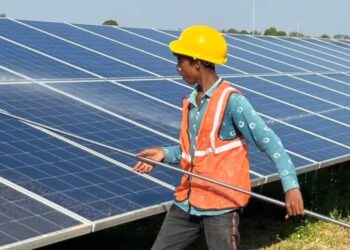
Exports of green-energy products registered double-digit growth for the 17th consecutive month. Electric vehicles, lithium batteries, and wind turbines led this expansion, demonstrating how China’s industrial policy is translating into tangible global market presence. These products now constitute a core pillar of China’s export portfolio, competing directly with manufacturers in Europe, North America, and South Korea. Electromechanical imports also rose sharply—up 29.7%—indicating robust internal demand for advanced components supporting domestic manufacturing upgrades.
Strategic Opening and Tariff Liberalization
Beijing has accelerated its policy of commercial openness, implementing zero-tariff treatment for imports from 63 countries. These measures support broader integration into regional supply chains and reduce reliance on any single trading partner. Combined with infrastructure investments under the Belt and Road Initiative and participation in the Regional Comprehensive Economic Partnership (RCEP), China’s approach emphasizes multilateral engagement over bilateral confrontation—even amid sustained geopolitical friction with Washington.
Source: brasil247.com
Compiled from international media by the SCI.AI editorial team.