According to www.theweek.in, last-mile delivery in India has matured significantly — but the upstream B2B logistics layer remains largely manual, fragmented, and digitally underdeveloped, constraining supply chain velocity despite rapid growth in quick commerce.
The Last Mile Is Solved — The Rest Isn’t
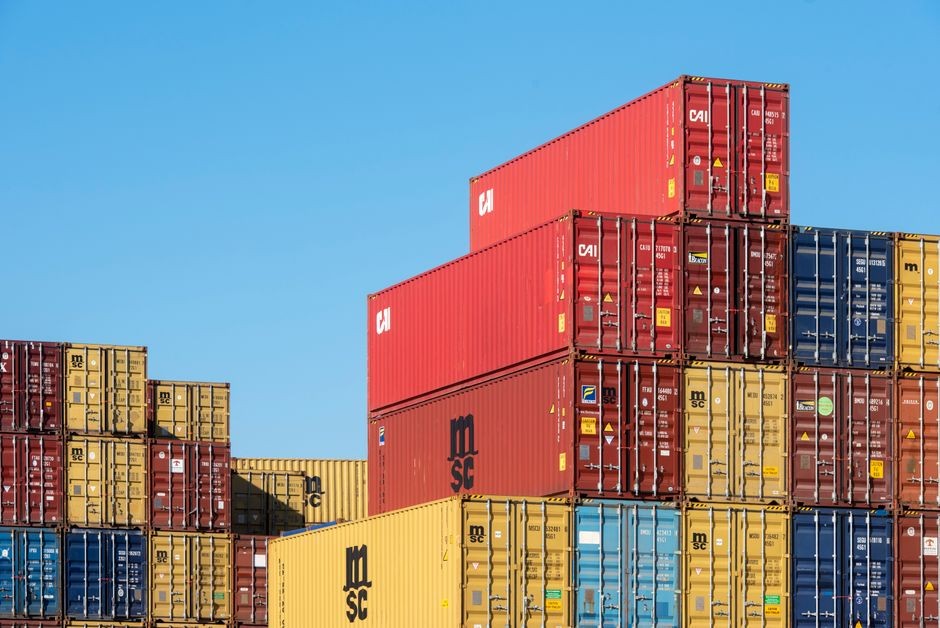
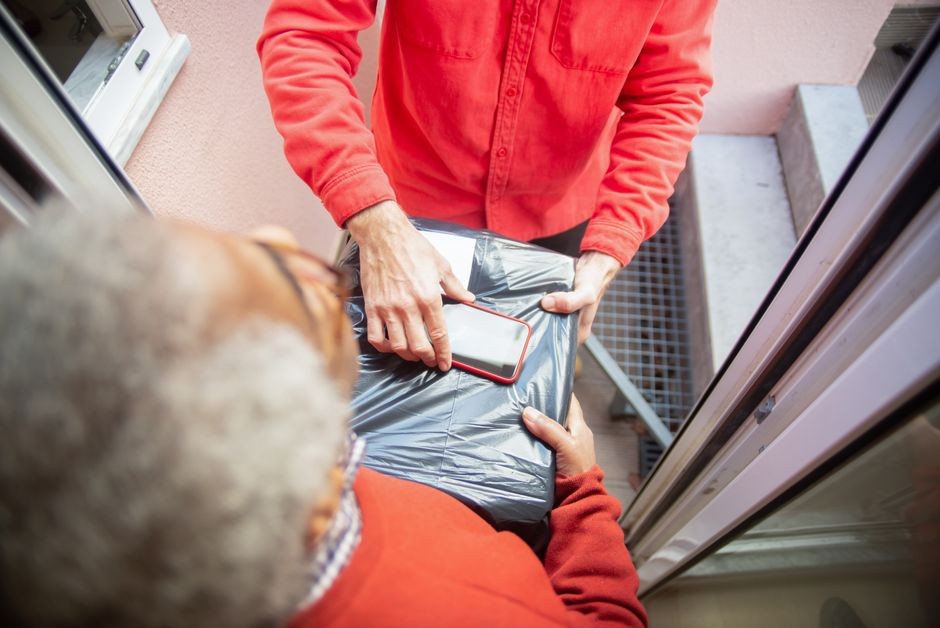
Last-mile delivery has dominated India’s logistics narrative for nearly a decade. Companies have optimized rider allocation, dynamic routing, non-delivery report (NDR) handling, and real-time tracking to such an extent that these capabilities are no longer differentiators. As a result, consumers in Tier 2 and Tier 3 cities now expect metro-level delivery speed and reliability. Yet this progress masks a critical bottleneck: the primary and secondary logistics layer — the movement of goods between manufacturers, warehouses, distribution centers, distributors, and retail stores.
This segment receives only a fraction of the investment and innovation directed at last mile. Unlike its tech-enabled counterpart, it remains hyper-fragmented, reliant on traditional brokers, offline fleet operators, and manual coordination. Appointment scheduling still occurs via phone calls; proof of delivery (POD) is often paper-based; and reconciliation routinely takes weeks. These inefficiencies are no longer operational nuisances — they are active growth constraints.
Regulatory Pressure Highlights Digital Gaps
The Indian government’s latest GST compliance requirements underscore the fragility of this foundational layer. Starting June 15, 2026, every bill-to-ship-to transaction must include the Ship-To GSTIN on the e-way bill, and every e-way bill must be closed within one day of delivery. The stated goal is to establish an unbroken digital audit trail from supplier to end consumer — but the need for regulatory enforcement reveals how incomplete the underlying digital infrastructure remains.
“This is not a back-office problem,” writes Naman Vijay, co-founder and CEO of ClickPost, a logistics intelligence platform processing 50 million+ shipments monthly across 30+ countries. “D2C logistics runs on top of B2B fulfilment. If a shipment never leaves the warehouse dock on time because a truck sat queued for hours with no appointment slot, no last-mile algorithm can route around that. The inventory simply is not there.”
Quick Commerce Accelerates the Crisis
The rise of quick commerce has dramatically intensified pressure on primary and secondary logistics. According to a recent Equirus report, the combined dark store network of Blinkit, Instamart, and Zepto grew nearly 48% year-on-year, reaching just over 5,000 locations by May 2026. India’s overall quick commerce market expanded 40% year-on-year during the same period.
Each dark store functions as a discrete inventory node requiring restocking multiple times per day to prevent stockouts — a demand profile that existing manual workflows were never designed to support. A platform operating thousands of dark stores across 100 cities cannot scale using phone calls and spreadsheets. “Here is where the actual failure happens,” Vijay notes. Every shipment generates a cascade of documentation — POD, Goods Receipt Note (GRN), and half a dozen other forms — before carriers get paid or returns are settled.
Digital Visibility Is the Missing Link
When documentation lives across email threads, WhatsApp groups, and paper registers, reconciliation stalls. Distributors withhold payment for weeks awaiting paper GRNs, while transporters’ working capital remains frozen. Across thousands of corridors, this friction drains liquidity and delays decision-making. None of it appears on last-mile dashboards — yet it explains why supply chains feel sluggish even as delivery ETAs improve.
What’s needed is not exotic technology, but proven digitization: real-time shipment visibility, digital documentation replacing paper trails, automated route planning for multi-stop primary networks, loading-dock appointment slots instead of hours-long queues, and vendor/store pickups triggered by system alerts — not phone calls. “Last mile already runs on it. B2B still does not,” Vijay states. This layer determines how fast a supply chain actually moves, how much capital stays locked in transit, and whether the last mile has anything to deliver in the first place.
Source: theweek.in
Compiled from international media by the SCI.AI editorial team.