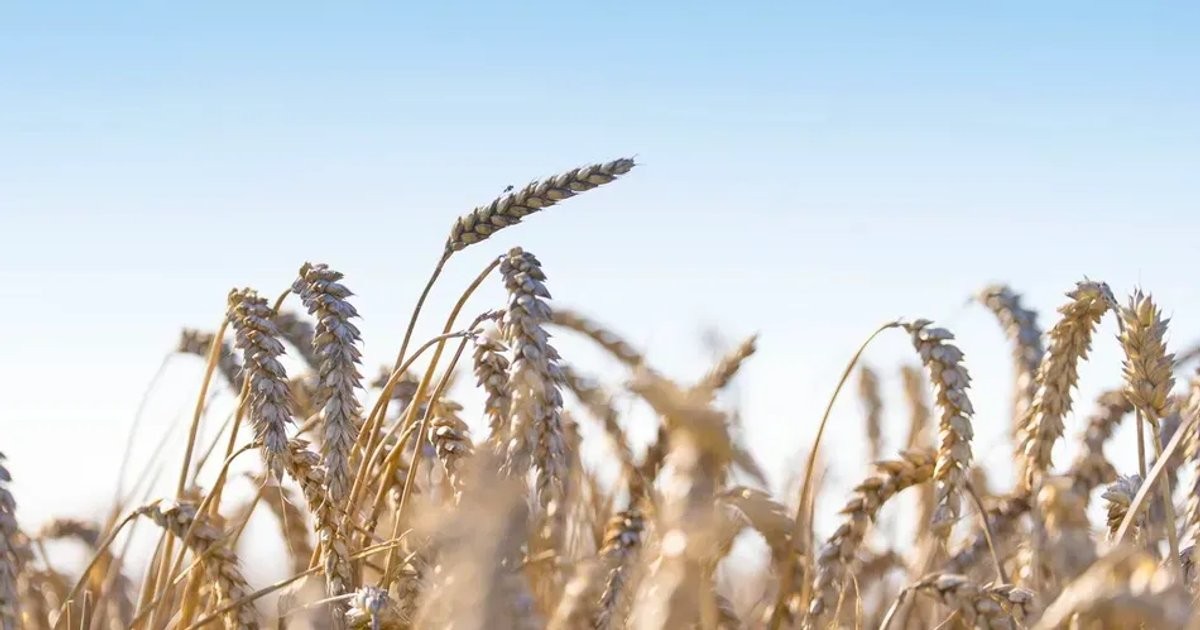
According to procurementmag.com, Puratos — a global leader in bakery, sweet goods, and chocolate ingredients — has increased its sustainable wheat sourcing in the United States by enrolling approximately 30% of its wheat flour volumes in mass-balance regenerative agriculture programmes.
Regenerative Agriculture Integration
The initiative marks a concrete step toward Puratos’ publicly stated objective of achieving 50% regenerative sourcing across its supply chain by 2030. This target is supported by structured progress tracking, measurable milestones, and ongoing implementation. The company’s approach focuses on outcome-based farming practices designed to improve soil health, enhance biodiversity, and support water management — delivering long-term value for farmers and rural communities alike.
The effort involves close collaboration with U.S.-based farmers, cooperatives, and milling partners. Specific regenerative practices being deployed include crop rotation, reduced tillage, and cover cropping — techniques proven to increase soil organic matter and water retention while building resilience into agricultural systems over time.
Leadership and Operational Commitment
Luther Hardin, Senior Procurement Manager at Puratos USA, emphasized scalability and practicality:
“Our role is to work alongside our partners to build a more sustainable and robust supply chain, in a way that’s practical and scalable.” — Luther Hardin, Senior Procurement Manager at Puratos USA
This operational philosophy reflects Puratos’ broader strategy of embedding sustainability within real-world production environments rather than treating it as theoretical or aspirational. As Michael Gleason, Product Director at Puratos USA, clarified:
“Our customers do not just need ideas. They need solutions that fit into how they operate today. Regenerative agriculture cannot stay theoretical. It has to work inside real supply chains, real formulations, and real production environments. That is what we are focused on making possible.” — Michael Gleason, Product Director at Puratos USA
Industry Context and Procurement Challenges
The Puratos initiative unfolds against a backdrop where sustainability has become deeply embedded — yet operationally complex — in global procurement. According to IntegrityNext, 70% of surveyed global companies have already integrated sustainability into their procurement processes, and more than 80% view it as a strategic priority. However, challenges persist: EcoVadis reports that while 81% of procurement leaders say ESG factors matter in purchasing decisions, 85% find identifying sustainable suppliers difficult.
Further complicating adoption, only 17% of companies possess effective real-time systems for monitoring supplier ESG performance (KPMG), and 81% of procurement leaders now consider supplier management overly burdensome — up from 73% in 2025 — largely due to added sustainability sourcing complexity (Fictiv and MISUMI). Across markets, three converging priorities dominate: net-zero and carbon management, supplier workforce practices, and circularity (EcoVadis and Accenture).
Global Expansion and Scientific Foundation
Building on initial regenerative agriculture programmes launched in 2022, Puratos continues expanding its responsible sourcing framework both in the U.S. and globally. The company leverages its extensive scientific expertise in agriculture and food science to accelerate adoption, foster biodiversity, restore land, and reduce environmental footprint. These efforts are enabled by long-standing supplier partnerships and reinforced by structured reporting frameworks across the entire value chain.
With transparency and measurable progress increasingly demanded by stakeholders, Puratos’ model demonstrates how large ingredient suppliers can align commercial operations with ecological stewardship — turning regenerative agriculture from concept into measurable, scalable practice within complex, multi-tiered supply networks.
Source: procurementmag.com
Compiled from international media by the SCI.AI editorial team.