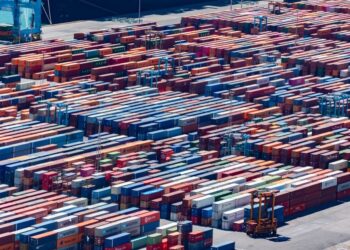
According to cafef.vn, a German logistics developer has signed an agreement to build the largest A-grade logistics complex in Southeast Asia in Vietnam — a strategic move aligned with surging foreign direct investment in Vietnamese industrial infrastructure.
German Investment Anchors Regional Logistics Expansion
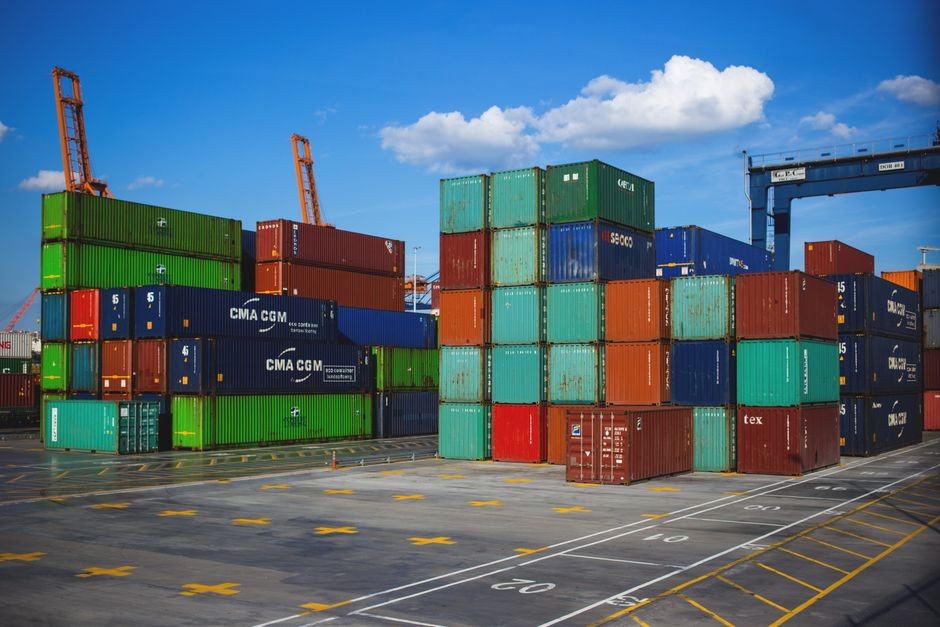
The project — confirmed by Vietnamese media but with the German developer unnamed in the source — will be located in the Hiệp Phước Industrial Park, a key logistics and manufacturing hub near Ho Chi Minh City. The complex is designed to meet international A-grade standards, targeting multinational tenants requiring high-spec warehousing, cold-chain readiness, and multimodal connectivity. Its scale is unprecedented in the region: the source identifies it as the largest A-grade logistics complex in Southeast Asia. While exact capital expenditure figures are not disclosed, the development signals deepening European commitment to Vietnam’s supply chain infrastructure amid shifting global trade flows.
Vietnam’s Logistics Landscape: Structural Gaps and Strategic Leverage
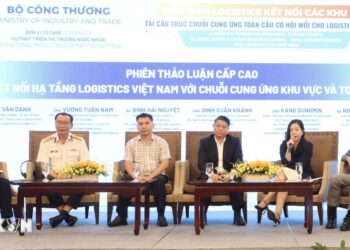
Despite rapid growth, Vietnam’s domestic logistics sector remains structurally constrained. As Trần Thanh Hải, Deputy Director of the Import-Export Department at Vietnam’s Ministry of Industry and Trade, stated:
“The government cannot provide financial subsidies or direct capital injections to Vietnamese logistics enterprises, as this risks violating international trade agreements.”
This policy constraint underscores why foreign-led infrastructure development — rather than state-backed domestic capacity building — is becoming the dominant pathway for upgrading national logistics capability.
The imbalance is stark: 80% of Vietnam’s import-export cargo flows are managed by foreign logistics coordinators. Domestic firms largely operate as subcontracted service providers — what the source describes as “working for hire” under international logistics managers. This dynamic highlights both vulnerability and opportunity: as Hiệp Phước Industrial Park hosts sectors where mechanical engineering and electronics account for 24% of tenant activity and food processing makes up 11%, demand for integrated, compliant, and scalable logistics services is intensifying.
Industrial Park Geography and Development Momentum
The Becamex – Bình Phước Industrial Park, another major Vietnamese logistics-adjacent zone, illustrates parallel momentum. Located 80 km from Ho Chi Minh City, 40 km from Đồng Xoài, and just 5 km from Chơn Thành town, its flat terrain facilitates rapid construction. According to Becamex – Bình Phước, Phase 1 has already attracted 27 secondary investors in active production, 10 enterprises currently constructing factories, and 35 investors finalizing legal procedures for new facilities. This multi-tiered pipeline reflects broad-based confidence in Vietnam’s industrial real estate fundamentals.
Regionally, industrial concentration follows clear patterns: northern hubs cluster in Hà Nội, Bắc Ninh, Vĩnh Phúc, Hải Dương, and Hải Phòng. Meanwhile, southern nodes like Hiệp Phước and Becamex–Bình Phước anchor deep-sea port linkages and cross-border land transport corridors — particularly along National Highway 13.
Workforce Retention as Infrastructure’s Human Counterpart
Infrastructure expansion intersects directly with human capital strategy. As competition for skilled operations and management talent escalates, Vietnamese enterprises are adopting long-term retention tools. One such solution highlighted in the source is “Quà Tặng Tương Lai” (Future Gift), a single-premium group life insurance product developed by BIDV MetLife. Designed specifically for employers seeking sustainable welfare policies, it functions as a deferred compensation mechanism to retain mission-critical personnel — a practical response to labor market tightening across Vietnam’s growing logistics and industrial zones.
This linkage between physical infrastructure and human capital investment reveals a dual-track development model: while foreign capital builds world-class warehouses and distribution centers, local firms respond with innovative, regulated financial instruments to secure the skilled workforce needed to operate them.
Source: cafef.vn
Compiled from international media by the SCI.AI editorial team.