According to www.thehindubusinessline.com, small truck operators—who move 70% of India’s domestic freight—are facing a systemic survival crisis amid soaring operating costs, stagnant freight rates, and mounting regulatory compliance burdens.
Backbone under strain
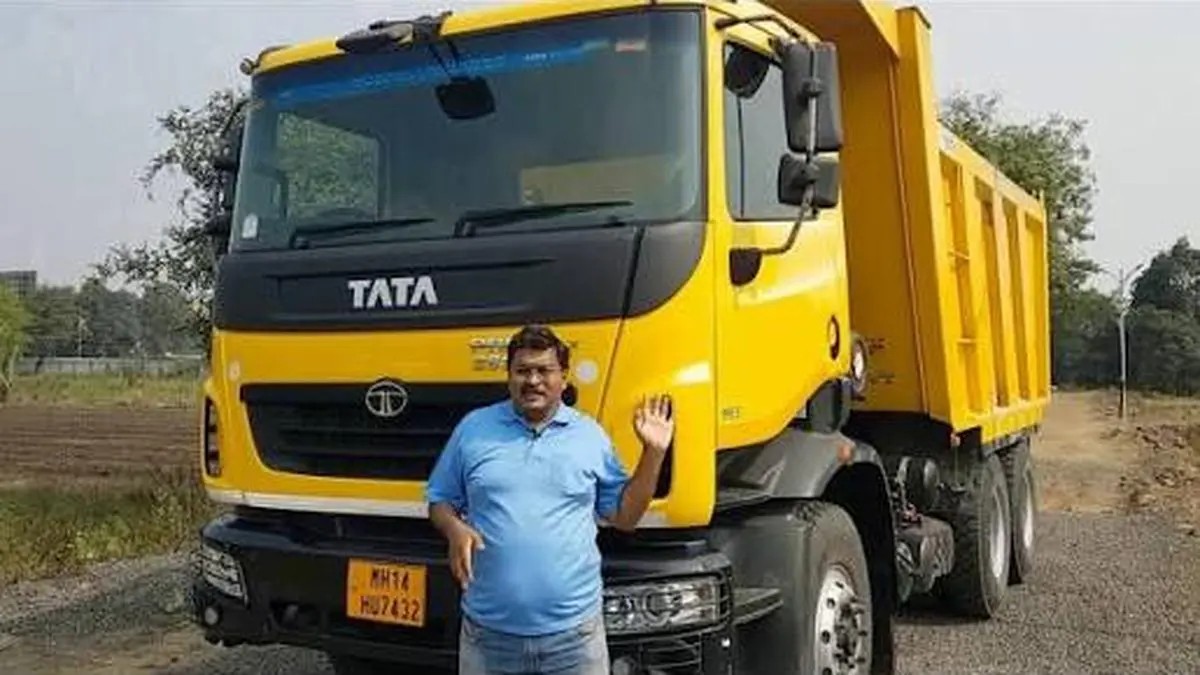
Ludhiana-based Roshan Singh Chawla, 52, owns three trucks—including two Tata Prima heavy-duty units and an Ashok Leyland BOSS purchased last Diwali—and has run the family transport business for over two decades. Yet neither of his sons plans to inherit it: his elder son is in his final year of a B.Com degree, and his younger son has just completed Class 12. This generational exit reflects a broader trend across India’s micro-fleet sector, where economic viability is eroding rapidly.
According to the All India Motor Transport Congress (AIMTC), small operators—those owning five or fewer trucks—account for more than three-fourths of India’s transport fleet. These owner-drivers collectively sustain nearly 70% of the nation’s domestic freight movement. But their margins are collapsing under pressure from multiple fronts, including diesel prices, tolls, insurance, loan repayments, maintenance, and statutory compliance.
Costs surge while rates stall
Diesel alone consumes 55–60% of a typical truck’s operating cost, per AIMTC data. Meanwhile, toll charges, tyre replacements, AdBlue, lubricants, permits, and mandatory fitness certifications have all increased significantly. Freight rates, however, have remained largely stagnant—a structural imbalance that leaves operators with little pricing power. Most rely on brokers or digital freight platforms to secure loads, further diluting their negotiating leverage.
Many accept low-paying consignments simply to keep vehicles moving and meet monthly loan obligations. As Roshan Singh Chawla put it:
“We are only seeking a fair, viable and sustainable business environment.”
The warning is echoed by Bal Malkit Singh, Advisor and Former President of AIMTC, who stated:
“If immediate corrective measures are not taken, thousands of small transport operators and self-driving truck owners will be forced to shut down, severely impacting India’s supply chain and economy.”
Driver shortage deepens operational stress
The industry faces an acute shortage of an estimated 2.2 million commercial vehicle drivers. Long hauls away from home, inadequate roadside amenities, insecure parking, and declining financial returns are deterring younger workers from entering the profession. For owner-operators like Chawla, this means regularly stepping back into the driver’s seat—adding to already excessive working hours and physical strain.
This labor gap compounds existing cost pressures. With no reliable backup, even minor disruptions—such as a single driver’s absence—can halt operations entirely. The result is reduced asset utilization, higher fatigue-related risks, and diminished service reliability across the supply chain.
Compliance burden disrupts operations
Beyond cost inflation, AIMTC highlights mounting regulatory friction—particularly around the mandatory Vehicle Location Tracking Device (VLTD) requirement for goods vehicles. Installation costs and persistent technical glitches in integrating VLTD data with the national VAHAN portal have delayed fitness renewals and permit clearances, causing avoidable vehicle downtime.
The body also cites alleged misuse of electronic challans and calls for a simplified, predictable compliance framework tailored to micro-operators. AIMTC has urged central and state governments to rationalise toll charges, resolve VAHAN-VLTD integration issues, improve highway parking and sanitation infrastructure, expand driver rest facilities, and introduce a scientific freight-rate mechanism tied directly to verified operating costs—such as the 55–60% diesel share and 2.2 million driver shortfall.
Without intervention, India risks losing the very operators who have long formed the backbone of its road freight network—especially as logistics becomes increasingly organised and technology-driven. As Bal Malkit Singh asked:
“The real question is — how long can they continue carrying the nation’s economy on their shoulders?”
Source: thehindubusinessline.com
Compiled from international media by the SCI.AI editorial team.