According to www.vietnam.vn, Vietnamese tilapia fillets have entered the Japanese sushi market for the first time — marking the debut of Vietnamese sashimi-grade tilapia in a country renowned for its stringent food safety standards.
First Sashimi-Grade Tilapia Export to Japan
A seafood export enterprise based in Cần Thơ City executed the inaugural shipment after investing 6 months in developing aquaculture and processing protocols aligned with high-value food segment requirements. This is the first Vietnamese company to export sashimi-grade tilapia to Japan — a milestone requiring full traceability, microbiological control, and structural integrity preservation throughout processing.
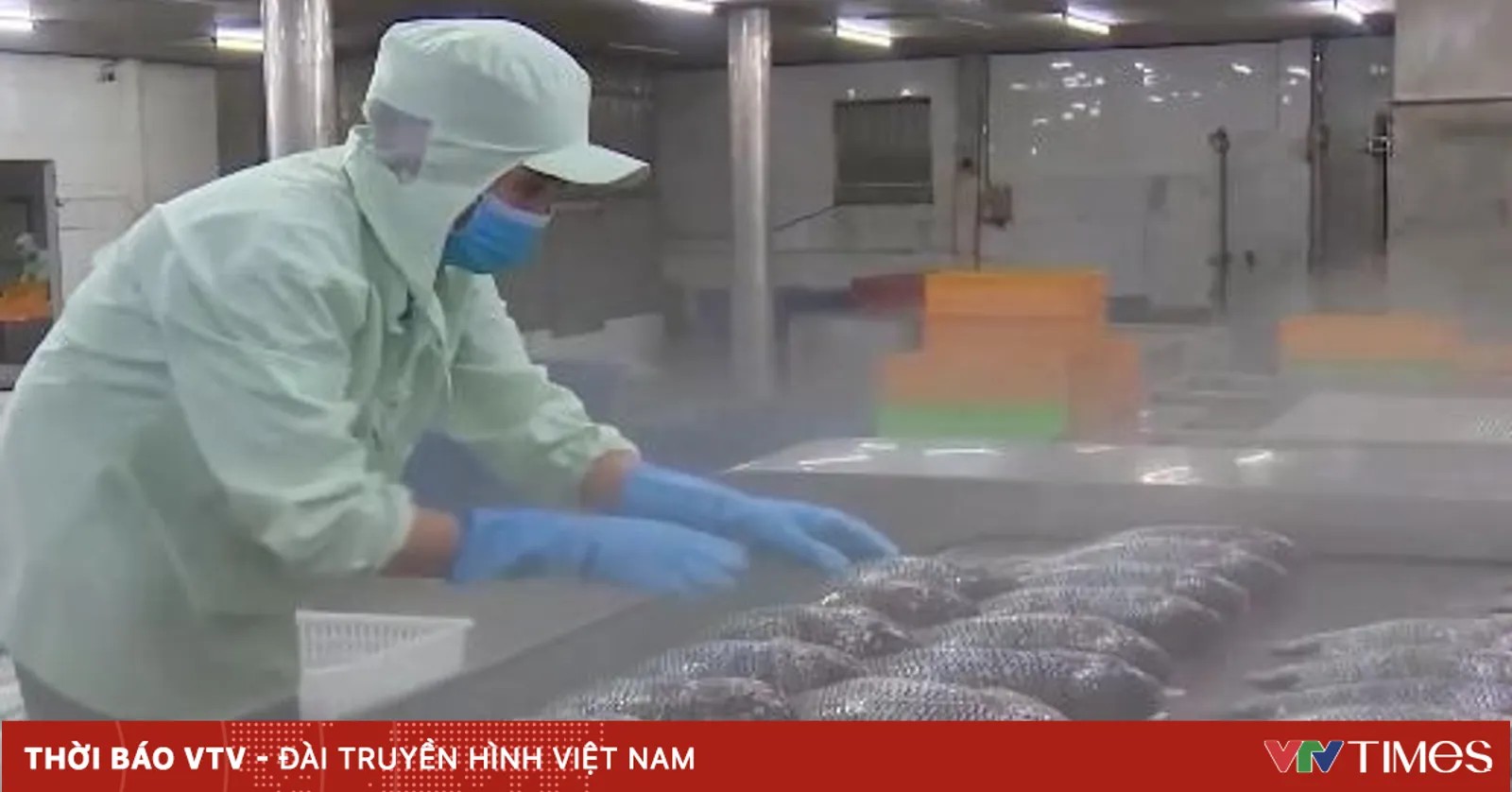
The fish are harvested from reinforced ponds equipped with flow-generation and bottom-aeration technology in Trần Đề Commune, Cần Thơ. Stable water conditions ensure firm flesh texture and eliminate muddy off-flavors — critical prerequisites for international chefs’ acceptance. Harvested fish are transported immediately to processing facilities where strict protocols maintain muscle fiber structure, natural sweetness, and maximum nutrient retention.
“To serve tilapia raw as sashimi in Japan demands rigorous control — from pond to plate.” — VTV.vn report
Scaling Production and Market Diversification
Another enterprise in Cần Thơ City has commissioned a tilapia processing plant operating at 200 tons per day, producing fillets, whole fish, and other value-added products. This expansion supports Vietnam’s strategic pivot away from low-margin bulk exports toward premium segments.
Export revenue from tilapia reached $76 million in the first half of 2026, a 101% increase year-on-year versus the same period in 2025. This growth reflects both volume gains and higher average unit values driven by processed, certified, and branded shipments.
- Target markets beyond Japan include the United States and Canada
- Emerging demand observed in Australia and Canada during early 2026
- Over 1,000 hectares of 水面 in Cần Thơ have been converted from traditional species (e.g., shrimp) to tilapia farming due to disease pressure and market volatility
Regulatory Compliance and Technical Upgrades
Cần Thơ authorities mandate comprehensive technical documentation for all farms, collection centers, processors, and exporters — covering broodstock origin, farming zone certification, disease surveillance records, harvest logs, transport conditions, and internationally recognized food safety certifications. Exporters must proactively monitor importing-country requirements, especially Japan’s import inspection protocols, pathogen testing mandates, and residue screening standards.
This regulatory rigor is not limited to Japan: recent tightening of post-entry inspections by China has also pushed Vietnamese firms to strengthen traceability systems and invest in laboratory capacity. The shift reinforces that compliance is now a prerequisite — not a differentiator — for accessing premium markets.
According to the source, tilapia farming offers a resilient alternative amid challenges facing traditional aquaculture in the Mekong Delta, including recurrent shrimp disease outbreaks and fluctuating global prices. Vietnam’s brackish-water coastal zones provide natural advantages for scalable, environmentally adapted tilapia production — provided quality control and certification infrastructure keep pace.
Source: vietnam.vn
Compiled from international media by the SCI.AI editorial team.