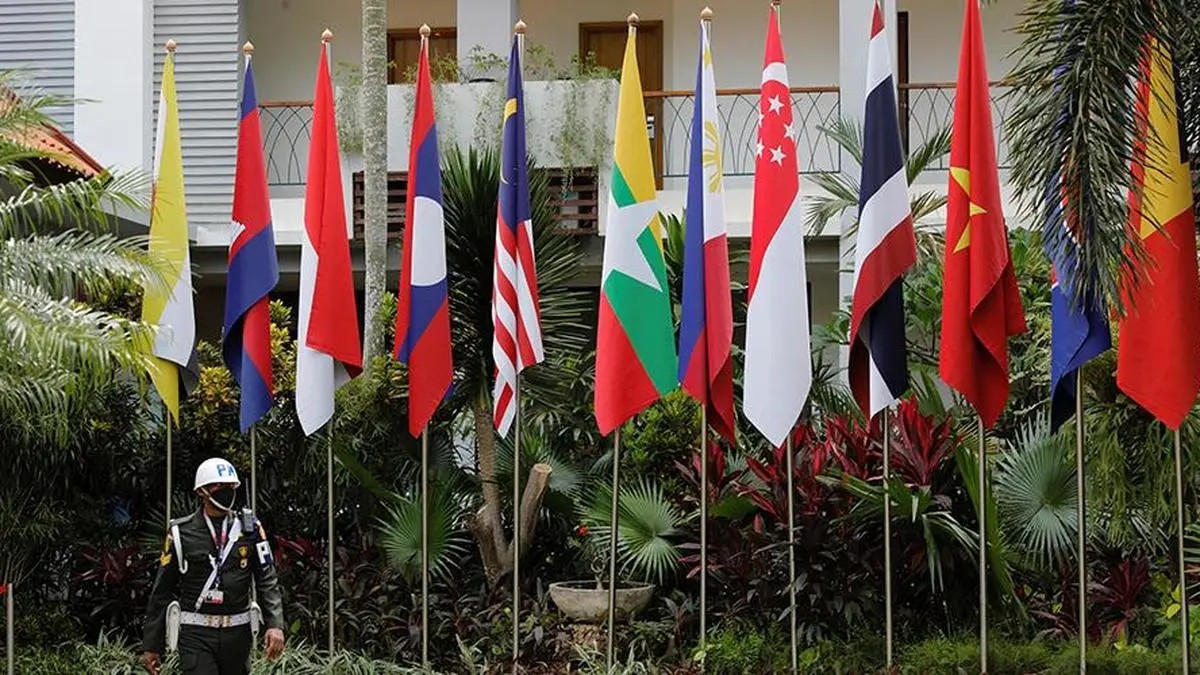
According to www.thehindubusinessline.com, ASEAN is urging India to implement deeper tariff reductions as negotiations intensify to review the ASEAN-India Trade in Goods Agreement (AITIGA), while New Delhi pursues calibrated liberalisation to narrow its widening trade deficit with the bloc.
Widening trade imbalance drives FTA review
India’s trade deficit with ASEAN has surged to $45.2 billion in FY25 — up from approximately $7 billion in 2010, the year the AITIGA entered into force. This sharp expansion reflects uneven implementation across ASEAN members and low uptake by Indian exporters, according to experts cited in the report. The ten-member bloc comprises Brunei, Cambodia, Indonesia, Laos, Malaysia, Myanmar, the Philippines, Singapore, Thailand, and Vietnam — countries where tariff reduction commitments have varied significantly, with Thailand and Vietnam notably undertaking fewer concessions than others.
India’s calibrated approach to tariff liberalisation
The Department of Commerce is actively consulting industry stakeholders to identify products suitable for further tariff reduction or elimination — prioritising categories where India is a net exporter and ASEAN countries (and China) are net importers. Many of these items have already been liberalised under India’s existing free trade agreements. According to a person tracking the matter, the department is specifically selecting goods with low sensitivity in India-ASEAN trade flows and where China’s share in ASEAN imports remains relatively low — reducing risks of trade diversion.
Safeguards against rules-of-origin misuse
New Delhi is also demanding stronger enforcement mechanisms to prevent alleged misuse of rules of origin, which officials believe enables Chinese goods to enter India via ASEAN routes at preferential tariff rates. Ministry of External Affairs Secretary (East) Rudrendra Tandon underscored the urgency of modernising the agreement during a recent media briefing, noting that the AITIGA — now over 15 years old — no longer reflects current economic structures in either India or ASEAN. He stressed that the review aims for
“greater liberalisation on both sides,”
with consensus required from all member states before any changes take effect.
Stakeholder engagement and next steps
As part of the formal review process, the Department of Commerce has solicited feedback from industry bodies on specific product lines under consideration for deeper liberalisation. The timeline for concluding negotiations remains unannounced, but the process is being conducted amid heightened scrutiny of bilateral trade balances and supply chain integrity. The revised agreement must reconcile ASEAN’s push for improved market access in India with India’s objective of expanding exports to ASEAN markets — particularly in sectors such as pharmaceuticals, engineering goods, and processed foods, where Indian firms hold competitive advantages but face non-tariff barriers.
Source: thehindubusinessline.com
Compiled from international media by the SCI.AI editorial team.