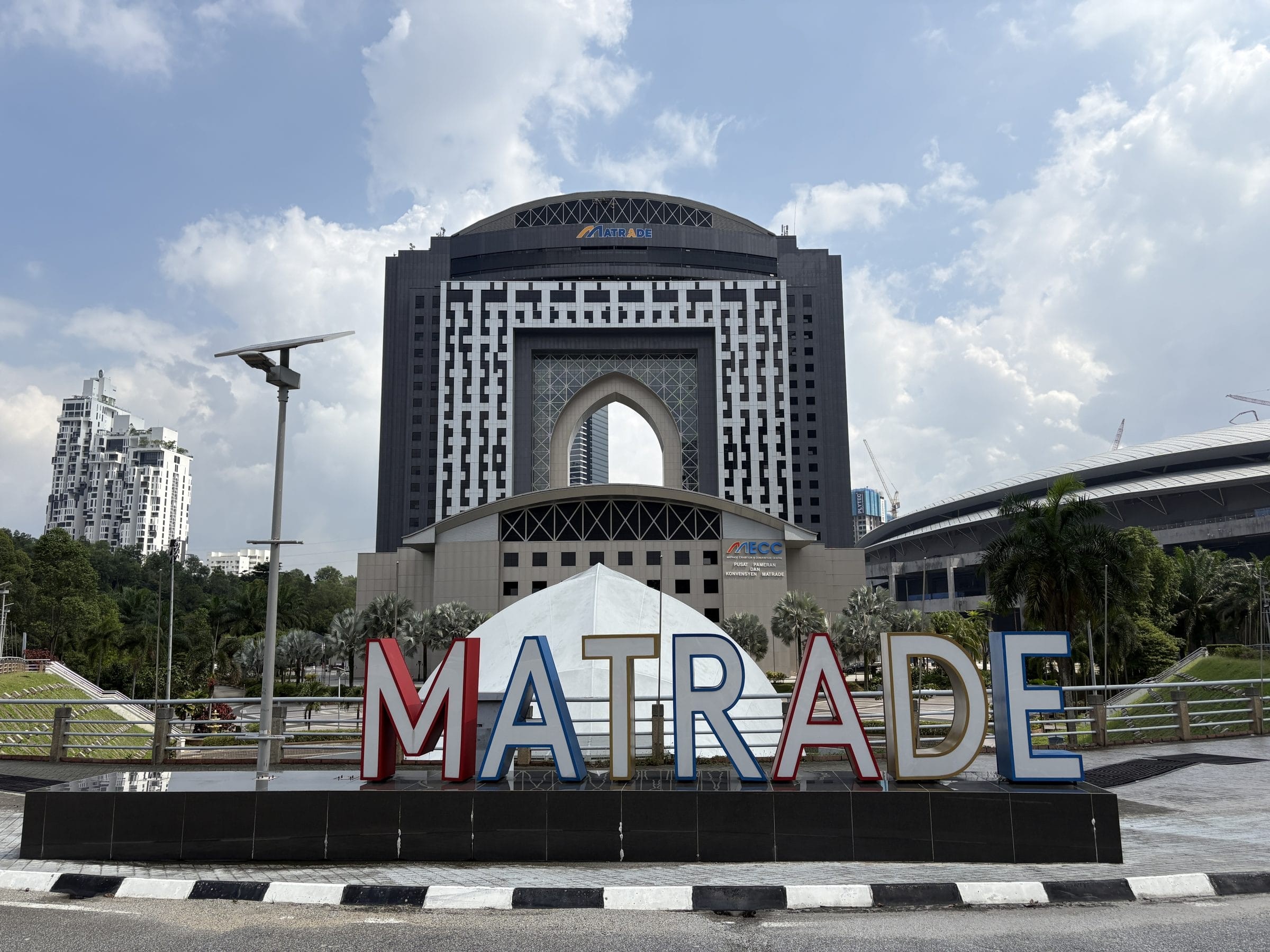
According to www.businesstoday.com.my, the Malaysia External Trade Development Corporation (MATRADE) has launched a dedicated business matching initiative to integrate Malaysian companies into global humanitarian procurement supply chains.
Strategic Partnership for Humanitarian Supply Chain Integration
The initiative is implemented in collaboration with the United Nations Humanitarian Response Depot (UNHRD) Kuala Lumpur and the International Federation of Red Cross and Red Crescent Societies (IFRC) Asia Pacific Regional Office. It is supported by a multi-ministry strategic partnership involving the Ministry of Investment, Trade and Industry (MITI), the Ministry of Foreign Affairs (MOFA), the Ministry of Defence (MINDEF), and the Ministry of Finance (MOF). This coordinated effort reflects Malaysia’s formal commitment to strengthening its role as a trusted partner in global humanitarian preparedness and response — a priority underscored by July 6, 2026, the date the program was publicly announced.
Targeting Resilience Through Regional Sourcing
As humanitarian crises increase in frequency and complexity — driven by natural disasters, armed conflicts, public health emergencies, and climate-related events — international humanitarian organisations are actively diversifying and regionalising their supply networks. The program directly responds to this shift by positioning Malaysian firms as verified, quality-assured suppliers within these critical logistics ecosystems. According to the report, the goal is to unlock new export opportunities in the rapidly growing humanitarian procurement market, where demand for reliable, scalable, and ethically sourced goods and services continues to rise.
“Bridging Business and Humanity” Initiative
MATRADE has branded the effort the “Bridging Business and Humanity” initiative. The agency states that the program will serve as a catalyst for expanding Malaysia’s participation in global humanitarian supply chains while reinforcing the country’s reputation as a dependable supplier of humanitarian-grade products and solutions. MATRADE is confident in the initiative’s capacity to generate measurable impact — not only for Malaysian exporters but also for global response efficiency. As noted in the source, the initiative aims to build “resilient, diversified and regionally integrated supply chains”, a framework increasingly prioritised by major aid actors including the World Food Programme and IFRC.
Operational Mechanism and Stakeholder Alignment
The program operates through structured business matching activities that connect Malaysian companies — particularly SMEs and sector-specific manufacturers — with leading international humanitarian organisations. These matchings are facilitated by UNHRD Kuala Lumpur’s established logistics infrastructure and IFRC Asia Pacific’s regional procurement networks. The collaboration spans four key federal ministries: MITI, MOFA, MINDEF, and MOF — demonstrating high-level governmental alignment and cross-departmental coordination. This whole-of-government approach ensures policy coherence across trade promotion, foreign affairs, national security, and fiscal planning domains — all essential for sustainable engagement in humanitarian logistics.
Broader Context and Industry Implications
Humanitarian procurement globally accounts for over $35 billion annually, with Asia-Pacific representing one of the fastest-growing segments due to rising disaster exposure and expanding regional response capacity. Malaysia’s entry into this space follows similar initiatives launched by Thailand and Vietnam in 2024 and 2025, respectively, both of which secured supplier agreements with UNHRD hubs in Bangkok and Ho Chi Minh City. For supply chain professionals, the initiative signals a strategic pivot toward dual-purpose capability building: firms certified under this program gain access not only to humanitarian contracts but also to enhanced due diligence frameworks, logistics certifications, and interoperability standards used across multilateral emergency response systems — capabilities increasingly valued in commercial tendering processes.
Source: businesstoday.com.my
Compiled from international media by the SCI.AI editorial team.