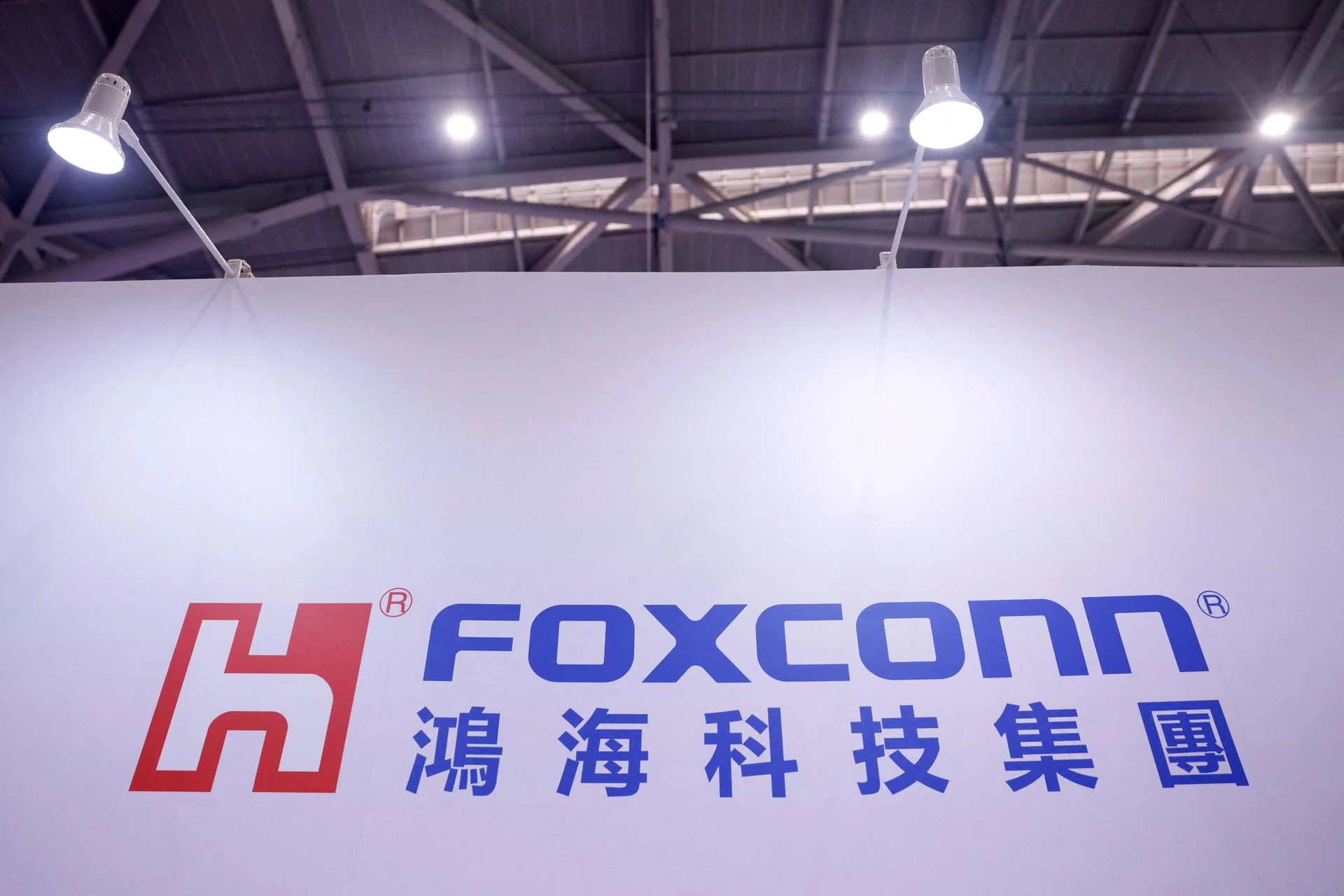
According to businesstimes.com.sg, Hon Hai Precision Industry — widely known as Foxconn — reported second-quarter revenue of US$79 billion, a 40% year-on-year increase that exceeded analysts’ expectations.
Strongest quarterly performance driven by AI infrastructure
The Taiwanese electronics manufacturing giant attributed the robust growth to surging demand for AI servers, particularly those housing Nvidia accelerators. Revenue in June alone rose 52%, marking the strongest monthly growth of the quarter and underpinning the full-quarter result of NT$2.51 trillion (US$79 billion), as calculated by Bloomberg. This surpassed the consensus forecast of NT$2.37 trillion. The company confirmed its March 2026 outlook remains intact, citing sustained momentum in AI hardware assembly across global cloud providers.
Key customers accelerating AI capital expenditure
Hon Hai’s assembly capacity is directly tied to the AI infrastructure build-out led by major U.S. technology firms. According to the report, Alphabet, Amazon.com, Meta Platforms, and Microsoft are collectively allocating approximately US$725 billion toward AI-related spending in 2026. This unprecedented investment scale reflects confidence in AI deployment despite ongoing industry concerns about data center power consumption, monetization pathways, and potential overcapacity. The conflict in the Middle East has further intensified scrutiny of energy supply chains and global shipping routes — factors that indirectly affect component logistics and cost structures for Hon Hai’s operations.
Dual-engine revenue model: AI servers and Apple ecosystem
While AI server assembly now represents a rapidly expanding pillar, Hon Hai continues to derive a substantial portion of its revenue from long-standing partnerships with consumer electronics brands. The company remains the primary assembler of Apple’s iPhones and MacBooks. Its financial exposure to the upcoming iPhone 17 product family is significant, with executives indicating that strong market reception would provide additional upside in the second half of 2026. However, like many electronics manufacturers, Hon Hai faces constraints in the supply of high-bandwidth memory chips — critical components used across smartphones, PCs, and AI servers alike.
Supply chain challenges and strategic positioning
Company executives acknowledged the ongoing memory chip shortage but stated it is unlikely to meaningfully disrupt production of premium-tier devices destined for major clients. This assessment reflects Hon Hai’s tier-one supplier status and its ability to secure priority allocations amid tight markets. The firm’s dual focus on AI infrastructure and flagship consumer electronics positions it uniquely within the global electronics supply chain — balancing high-volume, low-margin assembly with increasingly high-value, AI-integrated system integration. Its role extends beyond simple contract manufacturing: Hon Hai is co-developing next-generation AI systems with Intel, signaling a strategic shift toward deeper technology collaboration.
Source: businesstimes.com.sg
Compiled from international media by the SCI.AI editorial team.