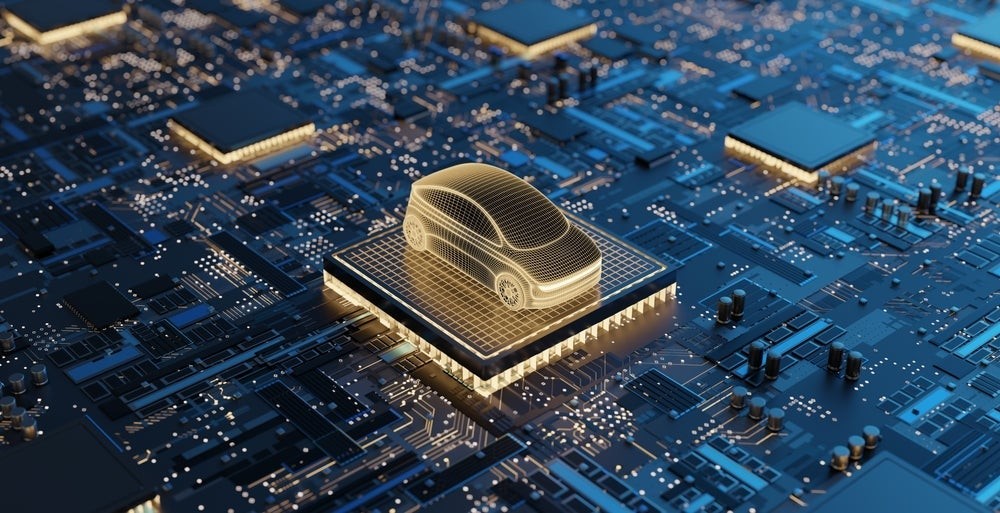
According to www.just-auto.com, AI-powered predictive maintenance is reducing downtime and maintenance costs by more than 30% for micro, small, and medium enterprises (MSMEs) in India’s automotive supply chain.
AI as operational necessity
GlobalData, a leading intelligence and productivity platform, reports that AI integration has shifted from optional to essential for Indian automotive MSMEs amid rising power costs and tightening regulatory compliance pressures. As of June 2026, automation technologies—including AI-driven process control and IoT-enabled monitoring—are no longer competitive differentiators but baseline requirements for manufacturing units serving original equipment manufacturers (OEMs).
Gorantala Sravan Kumar, Associate Project Manager – Automotive at GlobalData, stated:
“In the swiftly evolving industrial landscape, the transformation of factories into smarter, faster, and more interconnected systems marks a fundamental shift. Automation stands at the forefront of this revolution, reshaping the future of manufacturing. For automotive companies, integrating automation technologies has evolved from a luxury to a critical necessity.”
Predictive maintenance delivers measurable savings
IoT sensors combined with machine learning models enable MSMEs to forecast equipment failures before they occur—cutting unplanned downtime and slashing maintenance expenditures by over 30%. This capability directly addresses two acute pain points cited by GlobalData: volatile electricity pricing and escalating environmental and safety compliance obligations across India’s Tier-2 and Tier-3 supplier base.
Sravan Kumar added:
“As AI solutions enable optimization of energy and resource use, they are becoming crucial for manufacturing units facing high power costs and compliance pressures. This optimization not only reduces operational costs but also supports sustainability initiatives.”
Customer engagement powered by localized AI
On the commercial front, AI tools are transforming how MSMEs interact with buyers on major e-commerce platforms. AI-driven catalog generation enhances product photography, descriptions, and ad copy tailored for Amazon and Flipkart—key sales channels for Indian auto component suppliers. Meanwhile, WhatsApp and voice-based AI agents deliver 24/7 multilingual customer support in regional languages including Hindi, Tamil, and Marathi, handling order status queries, returns, and technical FAQs without human intervention.
These capabilities help MSMEs overcome historical limitations in digital marketing bandwidth and post-sales service capacity—barriers previously hindering growth beyond domestic OEM contracts. According to GlobalData, adoption rates for AI-powered sales support tools among Indian auto suppliers rose by 42% between 2024 and 2026.
Strategic impact on competitiveness
The cumulative effect of these AI deployments extends beyond cost reduction. By improving production reliability, shortening time-to-market for new components, and enabling direct B2C engagement, MSMEs gain leverage to bid on global tenders—notably those from Chery, whose export push into Latin America and Southeast Asia (Q3 2025) has created new sourcing opportunities for Indian Tier-2 suppliers.
Sravan Kumar concluded:
“By adopting AI, MSMEs can significantly enhance operational capabilities, boost customer satisfaction, and solidify their position in the automotive supply industry. Integrating AI not only improves efficiency but also empowers these enterprises to compete globally. As they embrace AI, these businesses unlock new levels of productivity and achieve greater financial stability, driving growth in the automotive supply sector.”
The report underscores that AI implementation is not uniform across India’s supply base: only 18% of MSMEs surveyed had deployed AI for predictive maintenance as of mid-2026, highlighting both the scale of opportunity and the urgency of upskilling programs supported by India’s National Automotive Board and state-level industrial departments.
Source: just-auto.com
Compiled from international media by the SCI.AI editorial team.