According to www.logupdateafrica.com, Africa’s trade ambitions are constrained by persistent infrastructure deficits, customs inefficiencies, and fragmented regulatory frameworks — despite accelerating efforts to strengthen intra-regional commerce. The continent, the world’s second-largest by area and population, accounts for just 4% of global trade and 10% of inter-continental trade, starkly trailing the EU and Asia, which together represent ~60% of international trade, per a DP World whitepaper.
Infrastructure Deficit and Investment Gap
Africa faces an annual infrastructure financing shortfall of $108 billion, even as the African Development Bank estimates the continent requires $170 billion per year in infrastructure investment. Road transport alone accounts for 29% of the costs of traded goods in Africa — more than four times the 7% share observed in other regions. This cost burden reflects systemic weaknesses: underdeveloped road and rail networks, congested ports, and unreliable energy supply, all of which inflate transit time and logistics expenses. The DP World study identifies these physical constraints as primary drivers of high freight costs and delivery unpredictability across borders.
Growth Corridors and Sectoral Demand
Despite challenges, trade corridors are showing robust growth. East-to-Southern Africa, West African regional lanes, and North East Africa are emerging as the strongest performers — driven largely by fast-moving consumer goods (FMCG), healthcare products, and agricommodities. Agriculture and FMCG remain the largest contributors to intra-African logistics demand, while sectors including e-commerce, pharma, retail, and automotive are expanding rapidly. However, structural bottlenecks — such as inconsistent border processing and non-harmonised product standards — continue to impede scalability, especially for small and medium-sized enterprises (SMEs).
Regulatory Fragmentation and ‘Soft Barriers’
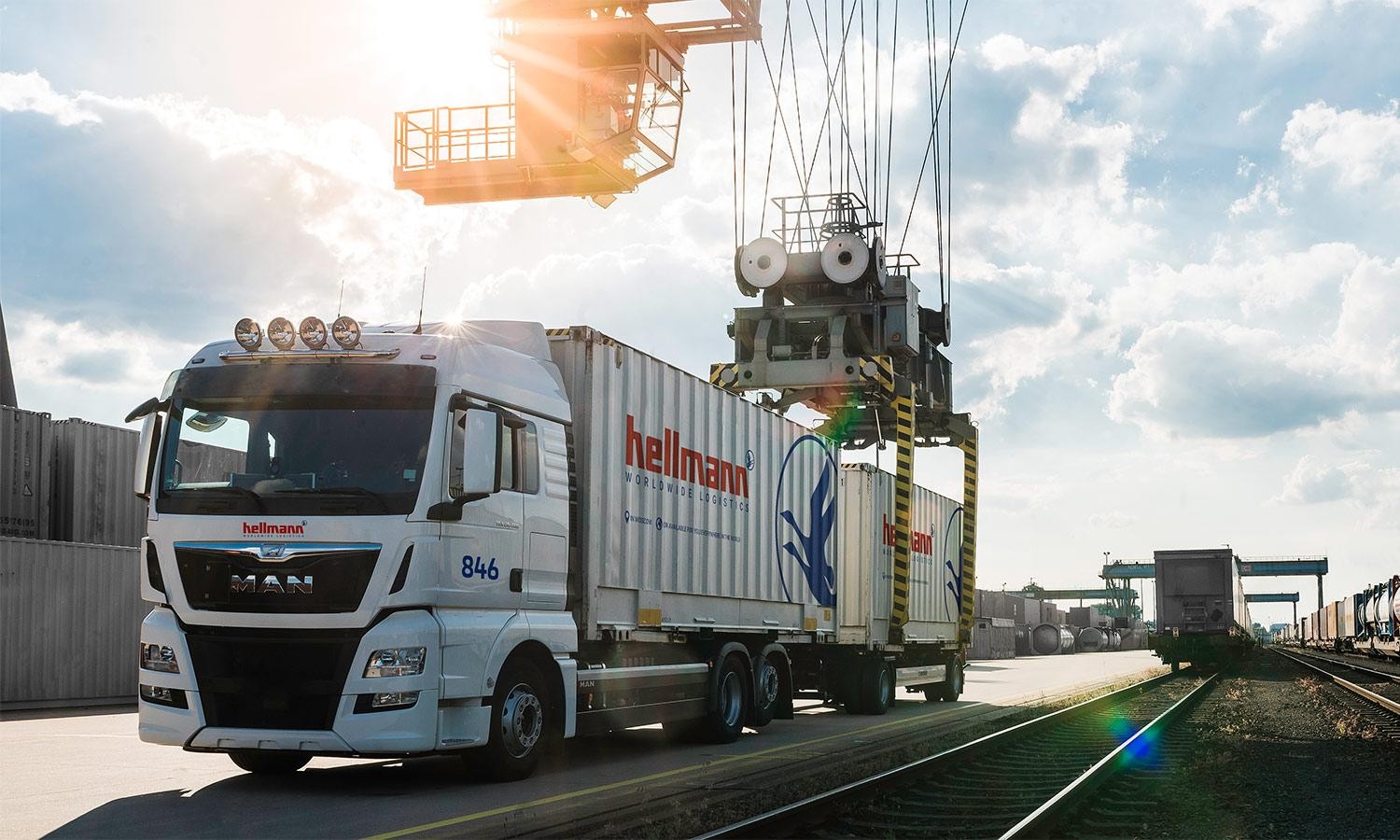
Unlike ASEAN or the EU, Africa’s trade environment is shaped by overlapping national systems and Regional Economic Communities (RECs) — including ECOWAS, SADC, and the African Continental Free Trade Area (AfCFTA). As Patrick Callychurn, Regional Director Africa Development at Hellmann Worldwide Logistics, notes:
“The most significant challenges remain border inefficiencies, customs complexity, and uneven infrastructure quality across countries. Transit time variability and regulatory differences can still make cross-border trade costly and unpredictable.”
He further emphasizes that ‘soft barriers’ — including limited digitalisation, payment constraints, and customs brokerage gaps — are as consequential as physical infrastructure deficits. SMEs entering cross-border trade for the first time are increasingly demanding value-added services such as bonded warehousing and real-time supply chain visibility.
AfCFTA Targets and Infrastructure Investments
The AfCFTA, uniting 54 countries, aims to dismantle tariff and non-tariff barriers and deepen economic integration. If fully implemented, it is projected to increase intra-African trade by more than 52.3% by 2035, according to the whitepaper. The report African Trade and Economic Outlook 2026 forecasts intra-African trade will reach $230 billion by 2026, while continental output expanded by 4.2% in 2025 — up from 3.4% in 2024. To support this trajectory, DP World has committed strategic investments: $25 million to modernise the Port of Dar es Salaam; a $1.2 billion deepwater port project in Ndayane (its largest in Africa); and a $165 million expansion of its container terminal at the Port of Maputo. These projects target critical chokepoints — including Kongo Central province in the DRC, where DP World is developing the country’s first Atlantic deepwater port at Banana.
Source: www.logupdateafrica.com
Compiled from international media by the SCI.AI editorial team.