8,000 Robots Deployed Across Global Sites
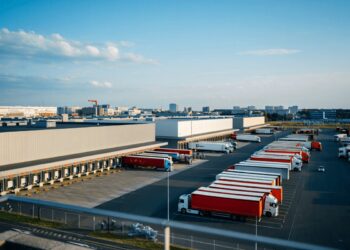
According to fortune.com, DHL Supply Chain has deployed more than 8,000 robotics systems across its 2,800 global sites, marking one of the largest automation rollouts in the logistics industry. The initiative, led by Sally Miller, the global chief information officer, aims to reduce reliance on manual labor, cut operational costs, and improve workplace satisfaction while simultaneously reducing job numbers.
Cost and Workforce Impact
Miller stated that robotics have significantly reduced the amount of time warehouse pickers spend walking the floor, with one key benefit being the elimination of physically demanding tasks such as unloading boxes from trailers on hot days. Sites using robots report lower employee turnover and faster onboarding times. According to the report, turnover is lower in facilities with robotics deployment, and workers express stronger preference for working in tech-enabled environments.
Despite the automation, the company has not publicly disclosed specific cost savings figures. However, Miller emphasized that the return on investment varies by site and is influenced by local labor availability and the number of robots deployed. The company also noted that automation has reduced dependency on labor, with Miller stating,
“Does it reduce our dependency on labor? Yes, it does. If anyone says otherwise, I don’t think they are being truthful.”
Vendor Strategy and System Integration
DHL Supply Chain has selected three primary robotics vendors: Locus Robotics, Boston Dynamics (owned by Hyundai Motor Group), and Robust AI. Miller explained that using multiple vendors for similar tasks reduces risk, especially given the volatile funding environment for startups. The company conducts pilot programs in isolated sections of warehouses to ensure worker safety during testing.
Warehouse software provider SVT Robotics integrates these disparate systems, enabling faster onboarding of new robots and centralizing data such as order pick times, shipping confirmations, and real-time inventory tracking. This integration supports data-driven decision-making powered by artificial intelligence and computer vision.
Industry and Market Context
The logistics industry continues to face persistent labor shortages. In the U.S., manufacturing payrolls dropped from 17.2 million in 2000 to 12.7 million by September 2025, according to McKinsey. Despite political efforts like the Trump administration’s tariffs aimed at revitalizing domestic manufacturing, employment has not rebounded meaningfully.
Venture capital funding for robotics startups has tripled from 2023 to 2025, reaching $40.7 billion annually, as reported by McKinsey. While humanoid robots from Tesla, Hyundai, and Boston Dynamics attract media attention, Miller noted that funding has shifted away from practical, high-impact automation use cases. She warned of market hype, saying,
“There’s a lot of hype in the market.”
Operational Resilience Amid Global Disruptions
DHL Group reported a 2% increase in first-quarter revenue in April 2026 despite ongoing geopolitical disruptions, including the Russia-Ukraine war, trade tensions, and the blockage of the Strait of Hormuz due to regional conflict. The company attributes part of its resilience to automation, which mitigates risks from labor shortages and supply chain instability.
Miller highlighted that robotics are especially beneficial in markets where it is difficult to hire and retain workers. She emphasized that automation is not a replacement for people but a shift in job roles—workers now focus more on supervising robots, analyzing AI-generated insights, and collaborating with vendors on system optimization.
Source: fortune.com
Compiled from international media by the SCI.AI editorial team.