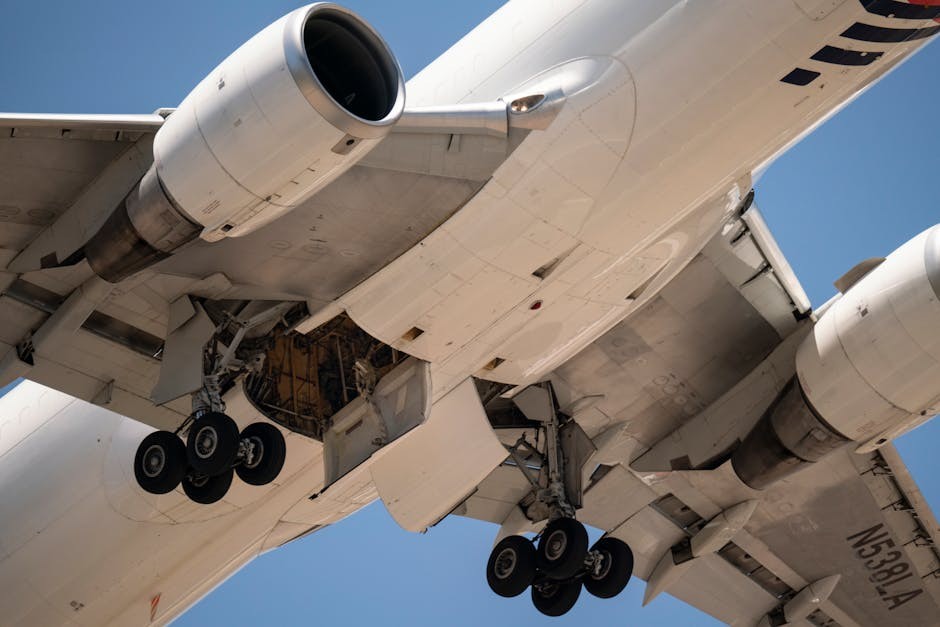
The biggest growth sector in air cargo could face significant challenges if the Strait of Hormuz remains closed.
The AI Boom Driving New Supply Chain Risks
The rapid expansion of AI infrastructure is creating a new, and largely overlooked, risk for global supply chains: helium shortages. As hyperscalers race to build data centres and deploy AI servers, demand is surging not only for GPUs and semiconductor equipment, but also for helium – a critical industrial gas used throughout chip manufacturing and advanced computing infrastructure.
But the disruption in the Middle East has removed a significant portion of the global supply of helium from the market, raising concerns across the semiconductor sector and creating volatility for high-value air cargo flows.
Consultancy Aevean estimates data-centre components now account for some 1.4m tonnes of annual air cargo volume, or roughly 5% of the global market, following 39% year-on-year growth driven by AI infrastructure expansion.
Helium Supply Disrupted by Geopolitical Tensions
Cargolux chief executive Richard Forson warned that the implications of the Iran conflict could stretch well beyond oil and jet fuel.
“Helium is used intensively in cooling down the data centres,” he told The Loadstar. “The shortage of jet fuel will be the least of our worries.”
The comments come as cargo airlines increasingly see AI-related shipments becoming a major source of premium freight demand. Indeed, Mr Forson said one of the fastest-growing cargo categories was now “transportation of server racks, with the data centres being set up to facilitate AI development”.
“Everybody is on the AI boom,” he added.
The surge is being reinforced by semiconductor manufacturers themselves. South Korea’s SK Hynix said in its first-quarter results that “demand for high-performance memory is surging while supply remains constrained”. Meanwhile, Taiwanese manufacturer TSMC has warned that AI-related semiconductor demand remained “extremely robust” and that supply constraints were expected to continue into 2027.
Qatar’s Helium Hub Hit by Conflict
But the AI boom is colliding with a new supply chain vulnerability, one centred on Qatar and the Strait of Hormuz. According to Forbes, Qatar’s Ras Laffan Industrial City, which is the world’s largest helium production hub, normally accounts for roughly a third of global helium supply, but has been heavily disrupted by the Iran conflict.
The publication said the disruption had removed an estimated 27% to 30% of global helium supply from the market, with spot prices surging between 40% and 100% within weeks.
The shortage is particularly significant because helium has few industrial substitutes and is critical for advanced semiconductor manufacturing, AI GPU packaging, lithography, and high-capacity storage systems.
TSMC has already moved into contingency planning mode. The company reportedly said it was sourcing “specialty chemicals and gases, including helium and hydrogen” from multiple regions and building safety-stock inventories to mitigate disruption risks.
Global Vulnerabilities and Strategic Stockpiles
Analysts increasingly warn that the AI boom is colliding with physical bottlenecks in packaging, energy, industrial gases, and logistics, creating what one industry observer described as “a physical ceiling” for AI infrastructure expansion.
However, in its first-quarter results announced last month, TSMC said it expected to see a 30% hike in 2026 revenue, suggesting it could largely surmount supply issues.
But South Korea is considered especially exposed, because last year it sourced nearly 65% of its helium imports from Qatar.
And the crisis is also exposing the fragility of the US helium market. While it remains the world’s largest helium producer, Forbes noted that much of the US’s strategic buffer capacity disappeared after the privatisation of the US Federal Helium Reserve in 2024.
Tom’s Hardware reported that around 200 specialised helium containers were stranded near the Strait of Hormuz after the conflict escalated, while some semiconductor manufacturers may only have several weeks of inventory available before shortages become critical.
Irony in the AI-Driven Air Cargo Surge
The irony for air cargo is that the AI boom is creating huge new freight demand at the same time as helium shortages threaten the semiconductor supply chains underpinning it.
And it can be high-yield cargo: Mr Forson said server and electronics shipments needed more specialised handling than traditional cargo.
“It’s handling that is going to be more diligent than for other cargo,” he said.
Some analysts now believe AI infrastructure could become as strategically important to air cargo as ecommerce has been over the past decade.
The result is that AI infrastructure is now reshaping not only semiconductor markets, but also global logistics flows, freighter demand, and strategic cargo planning.
Source: The Loadstar
Compiled from international media by the SCI.AI editorial team.