Trump’s Tariff Threat Targets EU Auto Imports
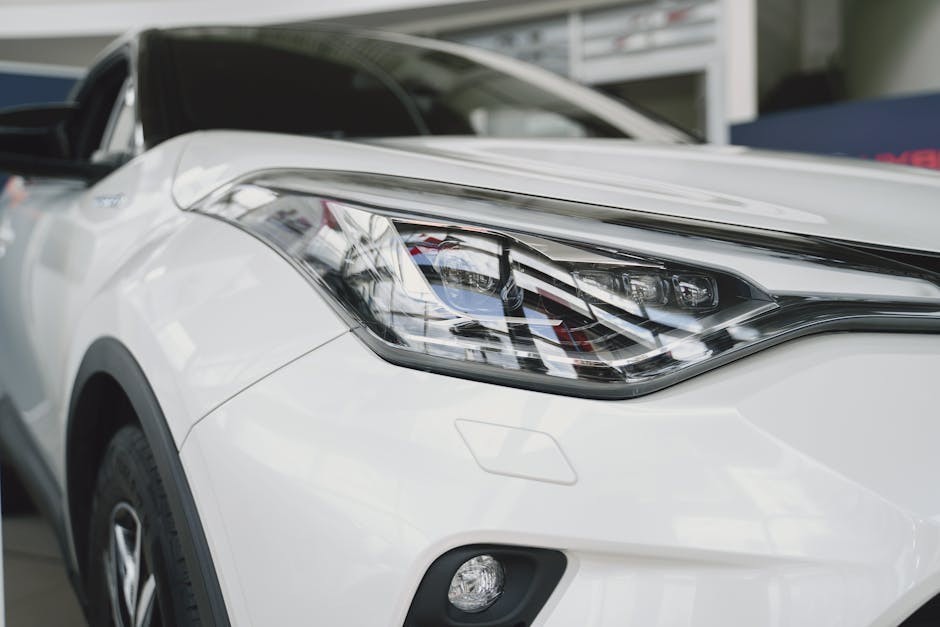
Trump stated that the European Union is violating a trade deal, prompting him to threaten a 25% tariff on all car and truck imports from EU member states. This move follows a broader pattern of protectionist rhetoric and policy actions from Trump, particularly in relation to automotive manufacturing and trade equity. The proposed tariff would apply to vehicles produced in EU countries and shipped to the United States.
"Trump threatened to impose 25% tariffs on cars and trucks imported from the European Union by accusing those countries of violating a trade deal." — Source
Trade Dispute Escalates Amid Economic Pressure
The announcement comes amid growing economic instability in Europe, particularly due to an ongoing energy crisis that has disrupted industrial output. According to the Purchasing Managers’ Index (PMI) released by S&P Global in late April, factory-gate inflation for goods has reached a 37-month high, driven in part by the Middle East conflict. This inflationary pressure has contributed to broader economic stagnation across the eurozone.
The International Monetary Fund (IMF) has revised its growth forecasts for the euro area downward: projecting 1.4% growth in 2025, 1.1% in 2026, and 1.2% in 2027—each revised down by 0.2 percentage points from its January update. These downward revisions reflect weakened business confidence and rising input costs, particularly in manufacturing and energy-intensive industries.
Political Tensions with EU Leaders Intensify
Trump’s comments on the EU were accompanied by targeted remarks toward individual nations. His criticism of Italy and Spain mirrors a recent warning directed at Germany, where Chancellor Friedrich Merz drew Trump’s ire by stating that the U.S. is “being humiliated by the Iranian leadership” during the collapse of U.S.-Iran nuclear negotiations. This diplomatic friction has further strained transatlantic relations, especially regarding defense and foreign policy alignment.
Trump claimed that countries like Japan and South Korea are constructing $100 billion worth of automotive manufacturing facilities in the United States as a direct result of tariffs he imposed during his 2017–2021 presidency. This assertion, while unverified in the source, reflects his broader narrative that tariffs incentivize domestic investment and nearshoring.
Source: www.msn.com
Compiled from international media by the SCI.AI editorial team.