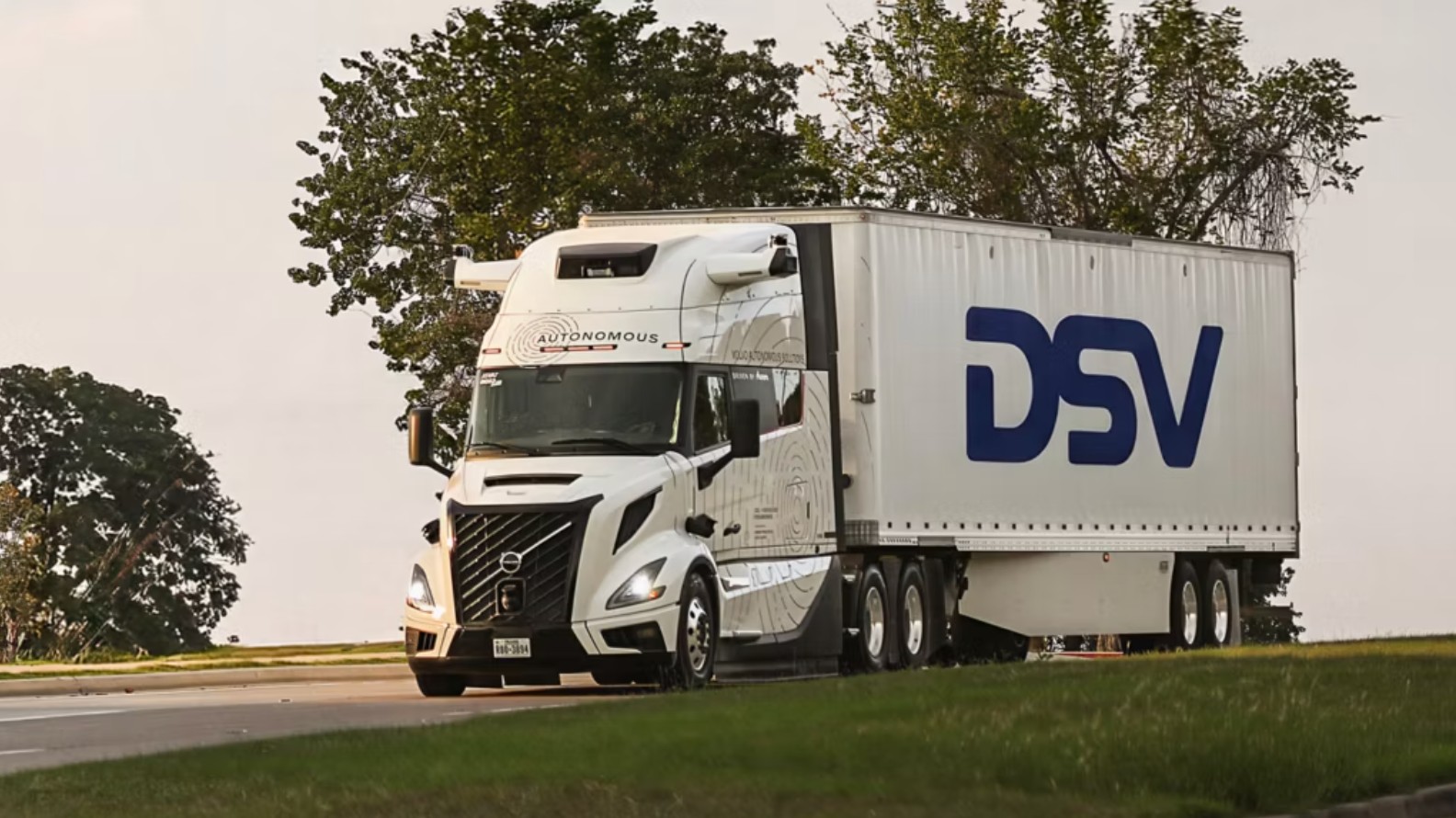
Autonomous Freight Operations Begin on Texas Corridor
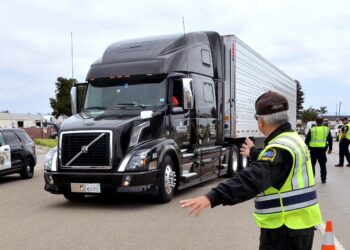
According to FreightWaves, Volvo Autonomous Solutions (VAS) and DSV have launched autonomous freight operations between Dallas and Houston, marking the first depot-to-depot commercial deployment of driverless trucks in the U.S. The route spans approximately 260 miles and operates between Aurora’s terminals in Dallas and Houston. The service uses the Volvo VNL Autonomous truck equipped with self-driving technology from Aurora and Waabi.
Operational Model and Safety Protocols
The initial phase of the operation includes a safety driver onboard, in compliance with Volvo’s current operational guidelines. The freight movement is restricted to depot-to-depot routes, avoiding public road access outside terminals. This setup allows both companies to evaluate real-world performance, system reliability, and integration with existing logistics networks. Volvo Autonomous Solutions has already logged more than 1 million miles in local and regional autonomous hauls since 2023.
“Autonomous driving is moving toward real-world operations,” said Helmut Schweighofer, CEO of DSV Road. “Our collaboration with Volvo in Texas represents a production, depot-to-depot setup. We see clear opportunities to improve safety and driver comfort, help mitigate a growing driver shortage, and unlock better asset utilization through 24/7 operations for the benefit of our customers.”
Strategic Goals and Scalability Plans
Sasko Cuklev, head of on-road solutions at VAS, emphasized the importance of logistics providers as key early adopters. “Logistics providers like DSV are an important customer group for Volvo Autonomous Solutions, and DSV is at the forefront of how autonomous transport can be applied in real logistics networks,” he said. The Dallas-Houston corridor is intended as a scalable foundation for future expansion to additional lanes. Both companies aim to transition toward fully driverless operations as regulatory frameworks evolve and technology matures.
Industry Context and Competitive Landscape
The move by Volvo and DSV follows similar efforts by other major players in autonomous freight. Waymo Via has already launched commercial trucking operations in Arizona and California, while TuSimple (now part of Nuro) previously operated autonomous freight routes in Texas and New Mexico. In 2024, FedEx and Einride partnered to test autonomous freight on a 120-mile route between Memphis and Atlanta, and Amazon has been testing its own autonomous delivery vehicles in Texas since 2022. These deployments indicate a growing industry shift toward automation in long-haul freight.
According to the American Trucking Associations, the U.S. freight industry faces a driver shortage of more than 1.6 million by 2030, a critical factor driving interest in autonomous solutions. The ability to operate trucks 24/7 without fatigue-related downtime is expected to improve asset utilization rates by up to 30% in long-haul routes, according to a 2025 study by the Boston Consulting Group.
Technology Integration and Platform Architecture
The Autona/freight platform integrates the Volvo VNL Autonomous truck with autonomous driving software from Aurora and Waabi. Aurora specializes in high-speed highway autonomy, while Waabi focuses on AI-driven perception and decision-making systems. The trucks are designed to maintain consistent speeds and safe following distances, reducing fuel consumption by up to 12% through optimized driving patterns. The system communicates with DSV’s logistics management platform in real time, enabling seamless load tracking and route adjustments.
Source: FreightWaves
Compiled from international media by the SCI.AI editorial team.