Explore

  • Trending
  • Latest
  • Tools
  • Browse
  • AI Assistant
  • Subscription Feed

Logistics

  • Ocean
  • Air Cargo
  • Road & Rail
  • Warehousing
  • Last Mile

Regions

  • Southeast Asia
  • South Asia
  • Central Asia
  • Japan & Korea
  • Middle East
  • Europe
  • Russia
  • Africa
  • North America
  • Latin America
  • Australia
SCI.AI
  • Supply Chain
    • Strategy & Planning
    • Logistics & Transport
    • Manufacturing
    • Inventory & Fulfillment
  • Procurement
    • Strategic Sourcing
    • Supplier Management
    • Supply Chain Finance
  • Technology
    • AI & Automation
    • Robotics
    • Digital Platforms
  • Risk & Resilience
  • Sustainability
  • Research
  • Expert Columns
  • English
    • Chinese
    • English
No Result
View All Result
  • Login
  • Register
SCI.AI
No Result
View All Result
Home Technology AI & Automation

DOJ Recognizes Modern Cargo Theft — FreightWaves

2026/05/15
in AI & Automation, Disruptions, ESG & Regulation, Geopolitics, Logistics & Transport, Manufacturing, Procurement, Risk & Resilience, Supply Chain, Sustainability, Technology
0 0
DOJ Recognizes Modern Cargo Theft — FreightWaves

By https://www.facebook.com/phil.brink.7 | 2026-05-12

a different view of cargo theft

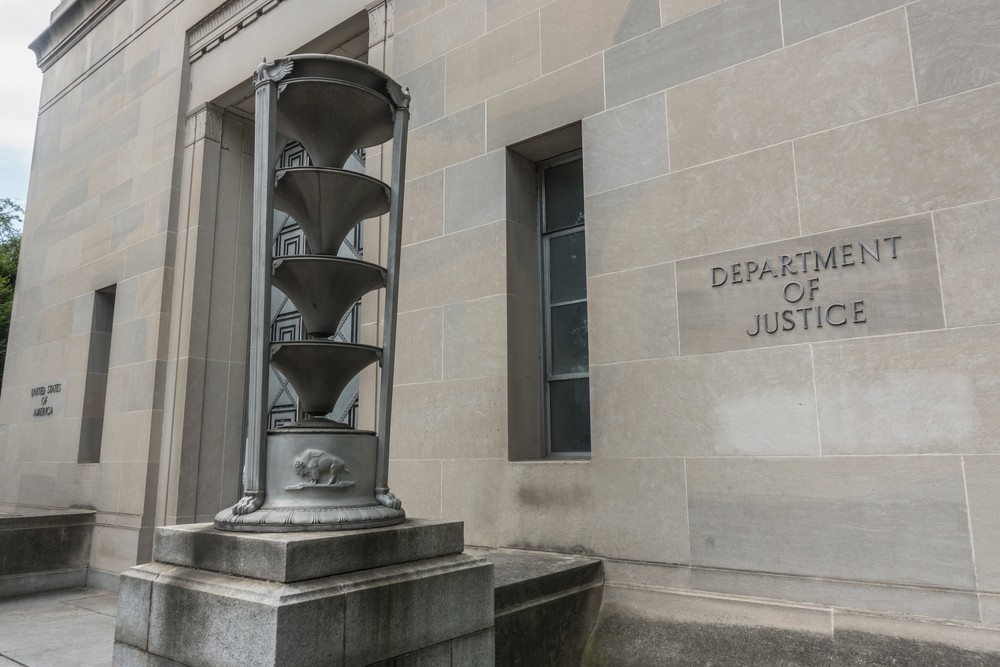
The biggest takeaway is not just that cargo theft is being discussed at the federal level. It is how the government is starting to describe the problem. The language in the letter shows a growing understanding that modern cargo theft often starts long before a truck arrives for pickup. That matches what many investigators, brokers, insurers, and fraud experts have been warning about for years. In many cases, the freight is already at risk before it ever moves. The criminals first gain access to systems, identities, or trusted accounts. Once that happens, the shipment may still appear normal on the surface.

“In many cases, the freight is already at risk before it ever moves. The criminals first gain access to systems, identities, or trusted accounts.” — Industry Expert

The letter also raises important questions for the industry. Will the DOJ start treating organized freight fraud more like organized crime instead of isolated theft cases? Will federal agencies work more closely together on cargo theft investigations involving cybercrime and financial fraud? Will prosecutors start using stronger fraud charges in these cases instead of treating them like business disputes?

Many theft groups today do not operate like traditional cargo thieves. In many cases, they use active authorities, stolen credentials, or shell companies to gain access to freight through normal systems. Once control changes hands, recovery rates drop quickly. Many experts warn that after the first 24 to 48 hours, the chances of recovering stolen freight fall sharply.

why this matters to the industry

The letter also shows growing pressure from both lawmakers and the industry to improve communication and data sharing around cargo theft. For years, companies have argued that investigations move too slowly because reporting systems are disconnected. Information is often spread across different states, agencies, insurers, and private companies.

That problem has become more serious as organized theft groups continue expanding operations across the country. Many modern cargo theft cases now involve identity theft, fake pickups, double brokering, payment fraud, and compromised communication systems all at the same time.

Cargo theft may finally be moving beyond being viewed as only a supply chain issue. It is increasingly being seen as a larger economic and organized crime problem. That shift could affect investigations, resources, and enforcement priorities moving forward.

For the freight industry, the message is becoming clear. The problem is no longer just stolen freight. The real issue is stolen access, stolen identities, and trusted systems being manipulated from the inside.

View the full DOJ implementation letter here. View the full DOJ implementation letter here.

Catch Me If You Can: the underground market for MC numbers regulators are trying to stop – FreightWaves

$4 million cargo theft recovery shows what enforcement can do – FreightWaves

Inside the $10m freight fraud that rocked Chicago – FreightWaves

Click here for more articles on cargo theft and freight fraud by Phillip Brink. Click here for more articles on cargo theft and freight fraud by Phillip Brink.

Source: FreightWaves

Compiled from international media by the SCI.AI editorial team.
More on This Topic

  • Maersk raises 2026 EBITDA guidance to $8–$10 billion (Jul 1, 2026)
  • Trimble predicts AI-driven job apocalypse for logistics back offices (Jul 1, 2026)
  • CEVA acquires Paack Iberia, France for pan-European last-mile expansion (Jul 1, 2026)
  • Korean Air launches real-time eBooking on Freightos with 166-aircraft fleet (Jul 1, 2026)
  • Redington India shifts to ecosystem orchestrator as cloud, services hit 20% share (Jul 1, 2026)
ShareTweet

Related Posts

Maersk raises 2026 EBITDA guidance to $8–$10 billion
AI & Automation

Maersk raises 2026 EBITDA guidance to $8–$10 billion

July 1, 2026
2
Trimble predicts AI-driven job apocalypse for logistics back offices
AI & Automation

Trimble predicts AI-driven job apocalypse for logistics back offices

July 1, 2026
1
CEVA acquires Paack Iberia, France for pan-European last-mile expansion
Strategy & Planning

CEVA acquires Paack Iberia, France for pan-European last-mile expansion

July 1, 2026
1
Korean Air launches real-time eBooking on Freightos with 166-aircraft fleet
Manufacturing

Korean Air launches real-time eBooking on Freightos with 166-aircraft fleet

July 1, 2026
2
Redington India shifts to ecosystem orchestrator as cloud, services hit 20% share
Manufacturing

Redington India shifts to ecosystem orchestrator as cloud, services hit 20% share

July 1, 2026
1
Seven Japanese Firms Ink India-Sourced Ammonia Deal for Fiscal 2030
ESG & Regulation

Seven Japanese Firms Ink India-Sourced Ammonia Deal for Fiscal 2030

July 1, 2026
1

Leave a Reply Cancel reply

Your email address will not be published. Required fields are marked *

Recommended

2026 Supply Chain Resilience Crisis: AI, Geopolitics & Last Mile Pressure

2026 Supply Chain Resilience Crisis: AI, Geopolitics & Last Mile Pressure

14 Views
March 23, 2026
EU eFTI Regulation: The Foundational Infrastructure for European Supply Chain Digitalization

EU eFTI Regulation: The Foundational Infrastructure for European Supply Chain Digitalization

14 Views
March 30, 2026
AI in Supply Chain: 10% Trust for Autonomy, 71% Betting on GenAI

AI in Supply Chain: 10% Trust for Autonomy, 71% Betting on GenAI

8 Views
March 26, 2026
Bromine Supply Risk Rises: 97.5% Korea Dependence on Israel

Bromine Supply Risk Rises: 97.5% Korea Dependence on Israel

28 Views
April 14, 2026
Show More

SCI.AI

Global Supply Chain Intelligence. Delivering real-time news, analysis, and insights for supply chain professionals worldwide.

Categories

  • Supply Chain Management
  • Procurement
  • Technology


  • Risk & Resilience
  • Sustainability
  • Research

© 2026 SCI.AI. All rights reserved.

Powered by SCI.AI Intelligence Platform

Welcome Back!

Sign In with Facebook
Sign In with Google
Sign In with Linked In
OR

Login to your account below

Forgotten Password? Sign Up

Create New Account!

Sign Up with Facebook
Sign Up with Google
Sign Up with Linked In
OR

Fill the forms below to register

All fields are required. Log In

Retrieve your password

Please enter your username or email address to reset your password.

Log In

Scan to share via WeChat

Open WeChat and scan the QR code to share

QR Code

Add New Playlist

No Result
View All Result
  • Supply Chain
    • Strategy & Planning
    • Logistics & Transport
    • Manufacturing
    • Inventory & Fulfillment
  • Procurement
    • Strategic Sourcing
    • Supplier Management
    • Supply Chain Finance
  • Technology
    • AI & Automation
    • Robotics
    • Digital Platforms
  • Risk & Resilience
  • Sustainability
  • Research
  • Expert Columns
  • English
    • Chinese
    • English
  • Login
  • Sign Up

© 2026 SCI.AI