According to www.supplychainbrain.com, Latin America’s logistics market reached $360 billion in 2024, with a projected 6.6% annual growth rate from 2025 to 2030.
Food & Beverage
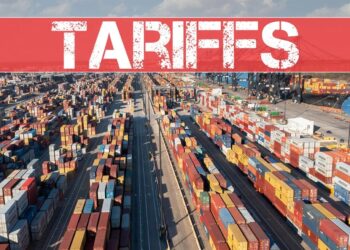
Intra-regional food and beverage trade accounts for just 22% of total trade in Latin America—far below Asia’s nearly 45%. This gap signals substantial untapped potential, especially as looming 25% U.S. tariffs on imports from Mexico and other Latin American countries disrupt traditional export routes. To reduce dependency on the U.S. market, suppliers are shifting focus toward regional distribution. However, logistical constraints persist: most supply chains are optimized for east-to-west and north-to-south flows, not intra-regional movement. Regulatory inconsistencies and restrictive import policies further impede seamless cross-border trade. The source provides specific export values: Colombia and Mexico’s food exports to key regional partners are under active expansion, though exact bilateral figures are not itemized in the source text.
Automotive
Mexico’s automotive market is projected to reach $303 billion in 2025, making it Latin America’s dominant hub. Logistics spending in this sector is growing at a 6% compound annual growth rate (CAGR) from 2023 to 2025. Mexico supplies approximately 40% of automotive parts for U.S.-made vehicles, underscoring its deep integration with North American manufacturing. Argentina allocates the highest share of automotive revenue to logistics—17% of total automotive sales. In contrast, Colombia’s $1.2 billion automotive market dedicates only $168 million to logistics spending, representing just 14% of its automotive market value.
Fashion
Brazil leads the region in fashion logistics, with $73 billion in total sales projected for 2025. Its logistics spending in the sector is rising at an 8.6% CAGR from 2023 to 2025, accelerated by e-commerce expansion. In 2024 alone, Brazil’s fashion logistics spending grew by 12%. This growth supports ambitions to increase exports to the U.S., particularly as buyers seek alternatives to Chinese-sourced apparel. Efficient distribution networks—including automation and predictive supply chain tools—are now critical operational priorities.
Pharmaceuticals
Latin America’s pharmaceutical logistics sector is expanding steadily, driven by rising healthcare demand and stringent cold-chain requirements. Brazil’s logistics spending in this sector is projected to hit $3.7 billion by 2025, followed by Mexico at $2.8 billion. Colombia shows the fastest growth trajectory, with an 8.14% CAGR from 2023 to 2027. Argentina’s pharmaceutical logistics spending has grown at a 4% CAGR since 2018—a rare example of consistent industry expansion in the country. Despite Brazil’s strong infrastructure, international pharmaceutical manufacturers remain underrepresented, as domestic firms continue to dominate logistics operations.
Infrastructure & Policy Context
Mexico and Brazil are investing substantially in logistics infrastructure to support industrial growth, while Colombia and Argentina work to close persistent gaps. Cross-border trucking, ocean services, cold chain logistics, and digital platforms are identified as the four foundational enablers. Brazil’s rapid emergence as an e-commerce hub and Mexico’s facility expansions for manufacturing illustrate divergent but complementary national strategies. According to the report, regulatory barriers, infrastructure deficits, and supply chain inefficiencies remain the region’s most pressing constraints.
Source: Supply Chain Brain
Compiled from international media by the SCI.AI editorial team.