According to www.dcvelocity.com, retail giant Target Corp. has opened its first “receive center,” a $265 million facility in Houston designed to collect goods directly from global vendors and hold those products until they are needed elsewhere in the supply chain.
Facility Details and Network Role
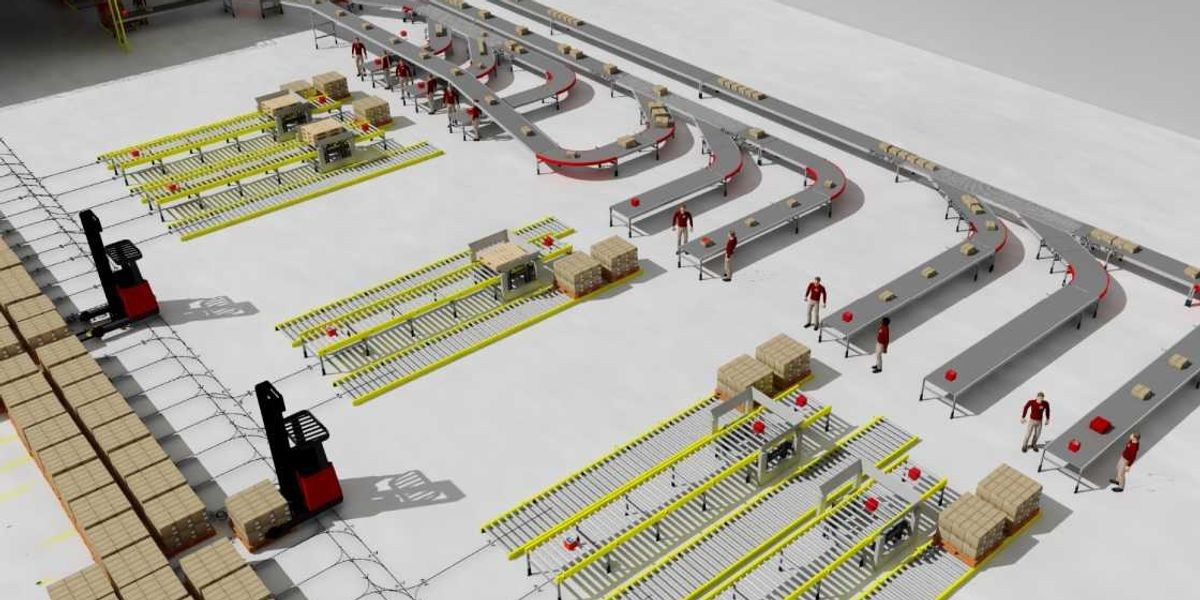
The 1.2-million square foot facility is a new type of node in Target’s supply chain network. According to the report, it will service six regional distribution centers and one flow center, helping replenish inventory that then goes to stores. The Receive Center is positioned between Target’s “import warehouses” in Georgia and Washington, complementing those coastal facilities by adding regionally based capacity.
Strategic Benefits
Target stated that by adding capacity at an earlier stage in its supply chain, it can wait to distribute inventory until the moment it is needed, ultimately preventing its distribution centers and store backrooms from becoming overcrowded. The expanded capacity is particularly beneficial for items that are seasonal, bulky, challenging to forecast, or have long lead times. It also gives Target the ability to secure popular items earlier on from vendors, such as trending toys for the holiday season.
By reducing the distances goods must travel from the receive center to regional DCs, Target expects to get products to the right place faster and at a lower cost.
Implications for Supply Chain Professionals
This move reflects a broader industry trend of retailers investing in upstream consolidation capacity to improve inventory flow and reduce congestion downstream. For supply chain professionals, the model demonstrates how holding inventory at an earlier stage—rather than pushing it all the way to store backrooms or distribution centers—can increase flexibility, especially for hard-to-forecast or seasonal items. The facility also serves as a buffer against volatility in global freight, allowing the company to secure trending products early without committing to final store allocation until demand signals are clearer.
Source: DC Velocity
Compiled from international media by the SCI.AI editorial team.