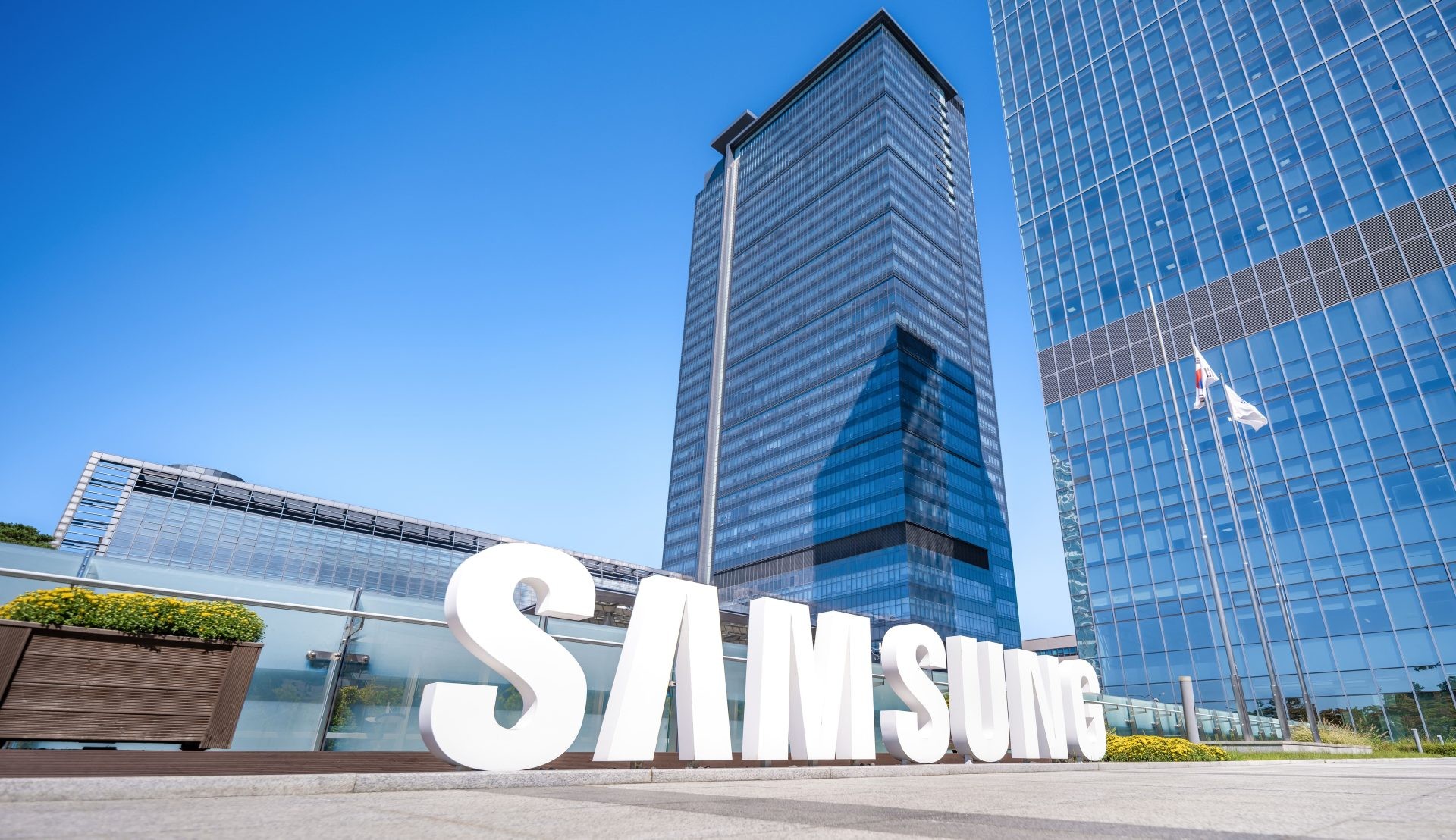
According to wccftech.com, Samsung Electronics faces an announced 18-day general strike between 21st May and 7th June, which could reduce global DRAM and NAND flash memory output by up to 4%. The labor action stems from unresolved negotiations between Samsung’s union and management over salary-related demands—including a proposed bonus equal to 15% of Samsung’s annual operating profit, estimated at $30 billion.
Projected Production Impact
The source states that if the strike proceeds as planned, DRAM output disruption is expected to reach 3–4%, while NAND output will see a 2–3% reduction. Trendforce estimates that full production normalization will require 2–3 weeks post-strike due to necessary cleanroom resets, tool recalibration, wafer scrap, and yield ramp-up. This delay implies a potential 36-day production blackout in affected lines.
Financial and Market Consequences
According to the report, total losses from the strike are projected at 20–30 trillion won—approximately $13–20 billion USD. The disruption arrives amid pre-existing supply constraints in the AI-driven memory market, where Samsung and peers are reportedly able to meet only 70% of current demand. As a direct consequence, competitors SK Hynix and Micron stand to gain market share and may raise DRAM/NAND pricing.
Supply Chain Implications for Practitioners
For global supply chain professionals, even a 1–4% output dip carries outsized risk: memory components are foundational inputs across servers, AI accelerators, smartphones, and enterprise storage. The source emphasizes that in today’s constrained environment, such a marginal shortfall can trigger cascading delays and cost increases—not only for OEMs but also for contract manufacturers and logistics providers managing just-in-time inventory. Given Samsung’s position as the world’s largest memory chipmaker (accounting for ~40% of global DRAM and ~35% of NAND capacity, per industry benchmarks), this event represents a material node-level vulnerability in the semiconductor supply chain.
Historically, major semiconductor labor actions have been rare in South Korea; Samsung has not experienced a general strike since 2000. In contrast, SK Hynix avoided similar labor unrest in 2025 after reaching a collective agreement covering bonuses and working conditions. Meanwhile, TSMC recently announced a 20% increase in 3nm and 2nm wafer output by end-2026 to address parallel supply crunches—highlighting how capacity expansion timelines remain misaligned with near-term demand surges, especially from AI infrastructure buildouts.
Source: wccftech.com
Compiled from international media by the SCI.AI editorial team.