According to www.supplychainbrain.com, several terminals at the ports of Los Angeles and Long Beach remained closed on September 27, 2024, after a tractor-trailer carrying lithium batteries overturned on a vital cargo artery.
Immediate Operational Impact
The incident triggered an emergency response and led to sustained terminal closures — disrupting container handling, drayage scheduling, and intermodal handoffs across one of North America’s busiest port complexes. The ports collectively handle over 40% of U.S. container imports, making this event a high-consequence disruption for import-dependent sectors including retail, automotive, and consumer electronics.
Broader North American Context
This incident occurred amid a volatile regional environment for supply chain professionals. Earlier in 2024, the Port of Baltimore’s main shipping channel remained delayed following the Dali container ship collision with the Francis Scott Key Bridge; the vessel was re-floated and removed from wreckage on May 20, 2024. Meanwhile, the National Retail Federation projected more than 2.1 million TEUs in U.S. container imports for each of June, July, and August — underscoring the pressure on remaining gateways during peak season.
Emerging Regulatory and Infrastructure Pressures
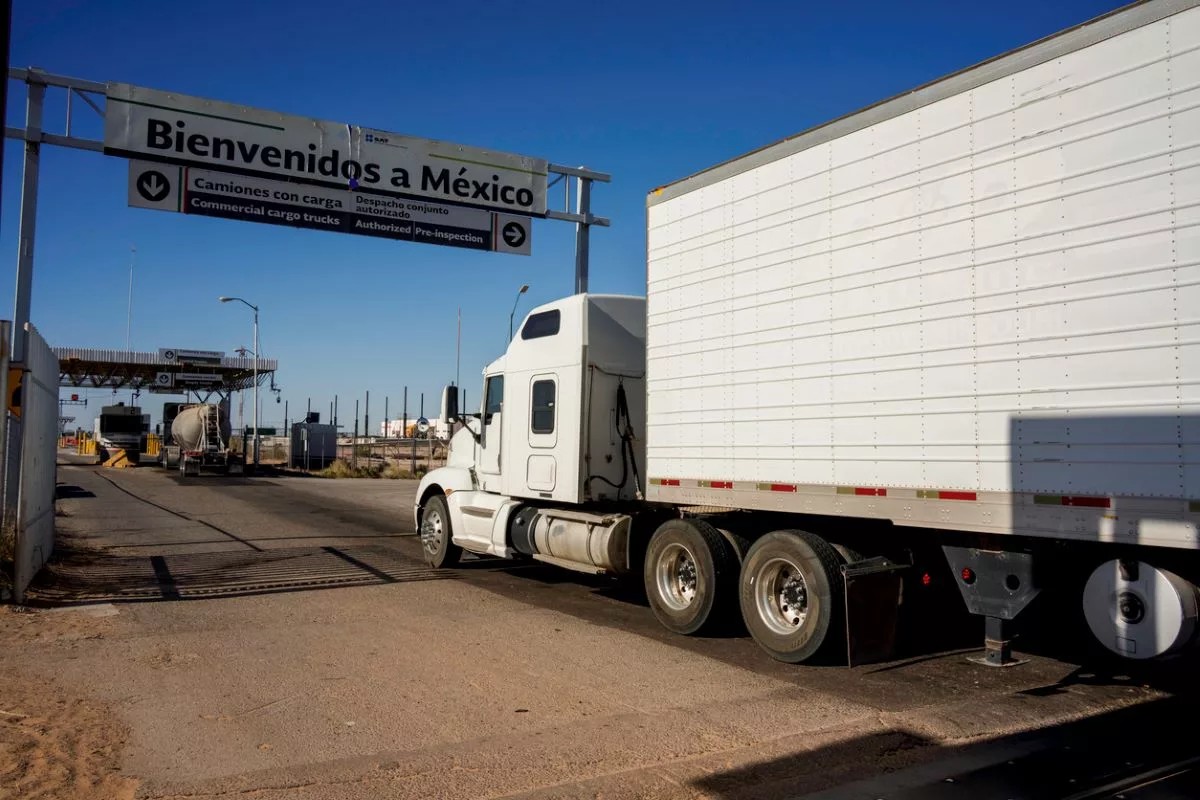
Supply chain operators are also navigating layered regulatory complexity: varying labeling and packaging requirements, customs and tax laws, and government-controlled exchange rates across the U.S., Canada, and Mexico. A recent SupplyChainBrain report noted Canada’s deputy prime minister stating that while the U.S. and Canada are “perfectly aligned” on trade with China, “the same cannot be said of Mexico.” This geopolitical divergence adds strategic uncertainty to USMCA-aligned planning.
Infrastructure Innovation Amid Disruption
In parallel, forward-looking infrastructure investments continue. The Port of Oakland announced plans to deploy a fleet of hydrogen trucks for freight hauling, aiming to decarbonize drayage operations. Maersk indicated its decision on returning to the Port of Baltimore “could be imminent,” reflecting carrier recalibration in real time. Separately, a SupplyChainBrain report cited Tyson Foods dumping 371 million pounds of waste into U.S. waters over five years, highlighting growing scrutiny on environmental compliance across logistics-linked manufacturing.
Source: Supply Chain Brain
Compiled from international media by the SCI.AI editorial team.