According to english.aawsat.com, Saudi Arabia has risen to the top ten countries globally in the Logistics Performance Index (LPI) issued by the World Bank — a milestone reflecting over a decade of systemic investment under Vision 2030. The source states the Kingdom also ranked second globally in growth rates among G20 countries, with logistics sector growth of 32 percent compared to 2024. Further validation comes from its placement in the top four centers in the Agility Emerging Markets Logistics Index for 2025.
Strategic Infrastructure & Institutional Reform
The transformation began with institutional realignment: the Ministry of Transport was restructured into the Ministry of Transport and Logistics Services, unifying oversight of the General Authority for Transport, ports, and civil aviation. This reform empowered national entities including the Saudi Railway Company (SAR), established Riyadh Air, the Saudi Air Navigation Services Company, the General Authority for Roads, and the National Transport Safety Center. Postal services were modernized through development of the SPL institution.
Three-Pillar Physical Expansion
- Air Expansion: Development of King Salman International Airport, plus new Abha and Jazan airports; rollout of the “Air Connectivity Program” to boost global access.
- Smart Logistics Centers: A master plan for 59 centers — 24 activated by end-2025 — alongside port digitalization to create “smart ports”.
- Rail Connectivity: Expansion linking northern and eastern rail lines (e.g., Jubail-Dammam), delivering low-cost, high-reliability logistics solutions.
Digital Transformation Accelerates Trade
The logistics environment adopted a comprehensive digitalization strategy, enabling unified digital platforms for integrated connectivity. According to the report, this has simplified regulatory procedures, automated license issuance, and shortened the “investor’s journey” through real-time coordination across regulatory bodies. These enablers contributed directly to revitalizing re-export sectors and supporting non-oil exports — helping local products access international markets at competitive efficiency and cost levels.
Tangible Operational Gains
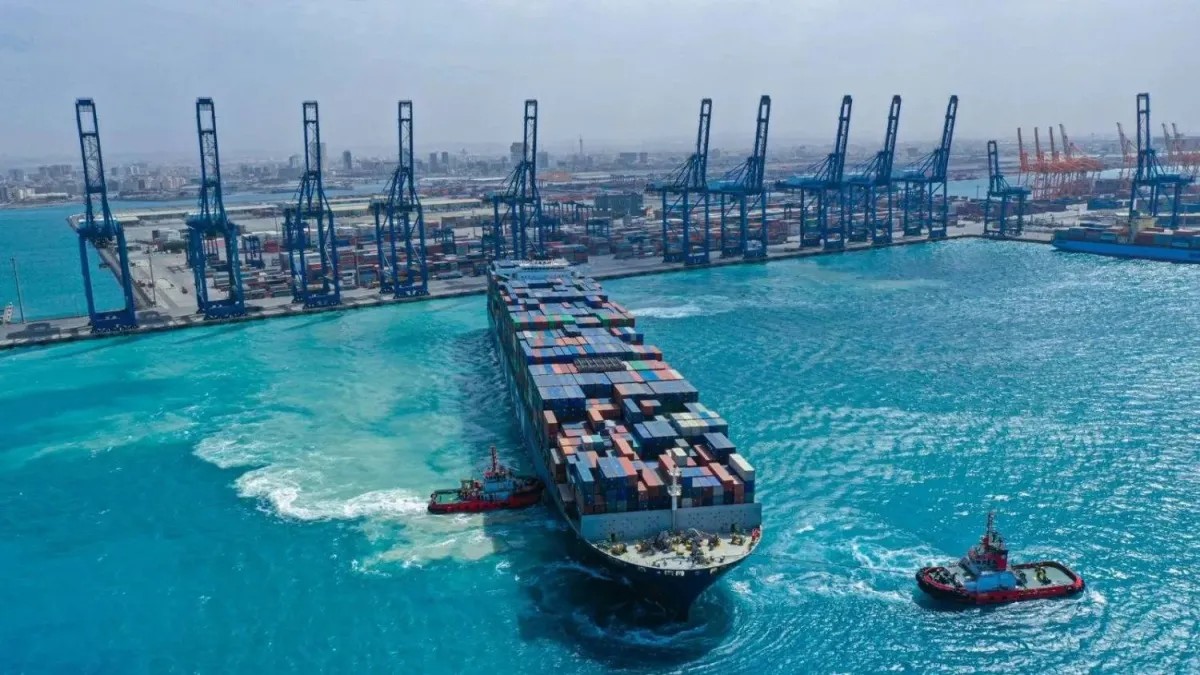
Border operations saw dramatic improvement: customs clearance time fell from 9 hours in 2021 to less than two hours by 2025. Concurrently, the number of licensed deposit areas increased to 21, enhancing capacity to absorb global goods flows and sustain supply chain fluidity. The source emphasizes that Saudi ports — stretching along both the Arabian Gulf and Red Sea coasts — serve as critical convergence points connecting three continents, turning geographic advantage into operational leverage for global supply chain sustainability.
Source: english.aawsat.com
Compiled from international media by the SCI.AI editorial team.