According to moderndiplomacy.eu, the ongoing conflict involving Iran, the United States, and Israel is reshaping global trade routes and unexpectedly boosting profits for major European logistics firms.
Short-Term Profit Uplift Driven by Route Disruption
Companies such as DHL, DSV, and Kuehne+Nagel are expected to report stronger first quarter earnings as supply chain disruptions increase demand for their services. Analysts note that periods of global instability make supply chains more complex — a dynamic that allows logistics providers to charge higher rates and offer premium solutions. The source states that air freight demand is rising quickly, while sea freight growth remains slower. Costs are increasing due to fuel prices and rerouting, and shifting cargo from sea to air has particularly benefited firms like DHL, which already maintains strong air freight networks.
Pressure on Critical Maritime Corridors
- The conflict has severely disrupted movement through the Strait of Hormuz, causing many ships to avoid the area entirely
- Instability has extended to the Red Sea and the Suez Canal, delaying any return to normal shipping patterns
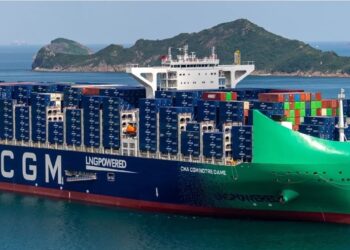
- As a result, many shipping companies — including Maersk and Hapag-Lloyd — have rerouted vessels around the Cape of Good Hope, a much longer and more expensive journey
Rising Costs and Market Impact
These disruptions have driven up freight rates, air cargo prices, and fuel expenses. Higher costs combined with limited capacity are increasing profit margins for logistics firms in the short term. The source states that fixed cost structures mean higher prices quickly translate into stronger earnings.
Contrasting Outlook: Gains Today, Uncertainty Tomorrow
The current situation creates a clear contrast: in the short term, logistics companies benefit from disruption and higher pricing power; in the long term, economic slowdown, rising energy costs, and reduced trade demand could hurt volumes. Even if the conflict ends, supply chains may not return to previous patterns quickly. Businesses are already adapting by exploring alternative routes and diversifying shipping strategies.
“The conflict has created a temporary advantage for European logistics companies as global shipping chaos increases demand for their services. However this advantage is closely tied to instability.” — Sana Khan, News Editor at Modern Diplomacy
Source: moderndiplomacy.eu
Compiled from international media by the SCI.AI editorial team.