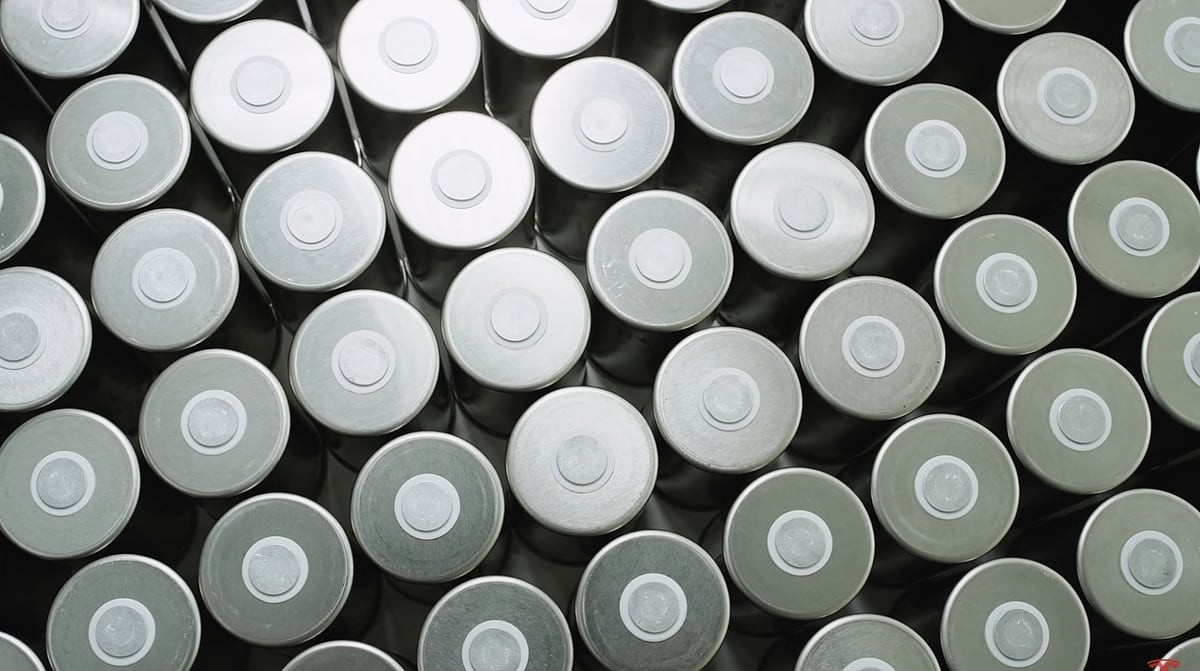
According to www.notateslaapp.com, Tesla initiated an unprecedented third-party audit of its battery material suppliers in May 2023 — a move undertaken despite shareholder rejection of the proposal during a recent meeting.
Unwavering Commitment to Ethical Sourcing
Elon Musk, CEO of Tesla, publicly pledged the audit as a bold and unequivocal commitment to ethical practices. He emphasized personal oversight, stating on Twitter:
“And I will review the audit personally. If you drive a Tesla, you should be able to believe in it to your core.”
In a novel transparency measure, Musk proposed installing webcams in cobalt mines and invited the public to report any instance of child labor — underscoring Tesla’s intent to open its mineral sourcing process to real-time scrutiny.
Cobalt Context: Industry Contrast and Technical Shifts
Tesla’s audit focuses heavily on cobalt, a critical battery component historically linked to exploitative labor practices — especially in artisanal mining operations in the Democratic Republic of Congo (DRC). The source states that Tesla has significantly reduced its cobalt dependency since 2019 by adopting iron-based and nickel-based battery chemistries. In contrast, the consumer electronics industry — particularly smartphones — continues to rely completely on cobalt, according to Musk’s pointed remark at the shareholders’ meeting.
- Tesla uses a nominal amount of cobalt in its batteries
- Smartphones utilize cobalt completely
- Tesla has been a member of the Customs-Trade Partnership Against Terrorism (CTPAT) since 2019
- The company collaborates with the Responsible Business Alliance to uphold ethical labor standards
On-the-Ground Engagement in the DRC
In line with its stated commitments, a Tesla team visited cobalt mines in the Democratic Republic of Congo in 2022. During that trip, they engaged directly with local stakeholders and NGOs to address health, safety, and child labor concerns — a hands-on approach preceding the formal audit initiative. This field engagement complements Tesla’s CTPAT membership, which mandates members to implement measures against prohibited labor forms.
Practitioner Implications for Global Supply Chain Professionals
For supply chain professionals, Tesla’s decision signals a growing operational expectation: ethical due diligence is no longer optional but increasingly subject to independent verification — even when internal governance bodies resist. Unlike many peers who rely on self-reported supplier declarations or tier-1 audits, Tesla’s move toward real-time mine-level visibility (via webcams) and CEO-level accountability sets a new benchmark for traceability in high-risk mineral supply chains. Given that cobalt remains classified as a critical mineral under multiple national strategies (including U.S. and EU frameworks), this audit also reflects mounting regulatory pressure on Scope 3 emissions and human rights reporting. Practitioners should note that Tesla’s reduced cobalt usage is enabled by battery chemistry innovation — a technical lever that may inform procurement strategy when evaluating alternative cathode materials (e.g., LFP vs. NMC) across EV and energy storage portfolios.
Source: www.notateslaapp.com
Compiled from international media by the SCI.AI editorial team.