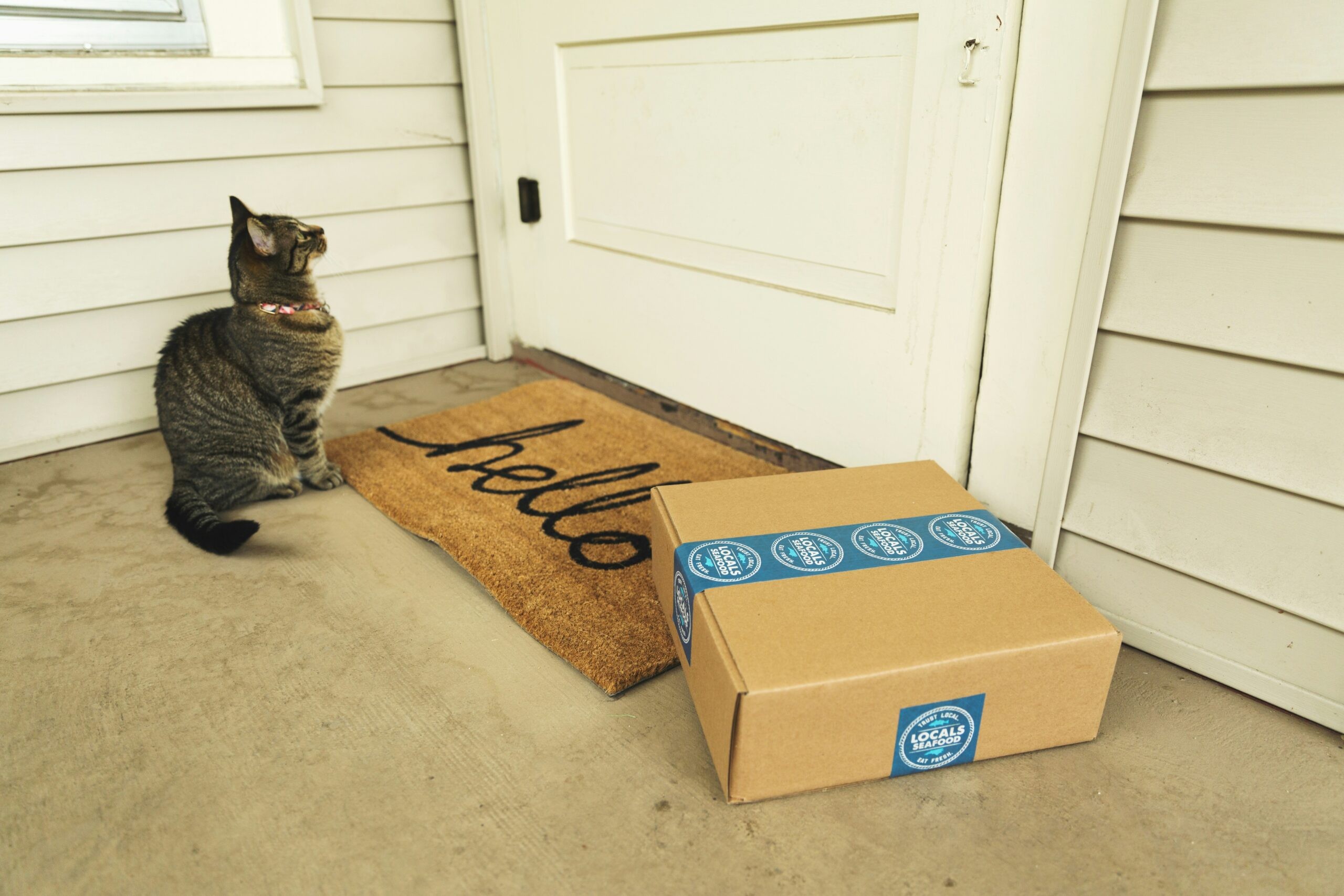
According to netchoice.org, competition in delivery is fundamentally reinventing the last mile in retail — transforming what was once a logistical footnote into a center of innovation driven by speed, cost efficiency, and customer expectations.
Escalating Consumer Expectations
For Valentine’s Day 2026, more than a quarter of shoppers reported willingness to wait until the last minute for gifting — intensifying demand for rapid fulfillment. In response, Instacart announced a new partnership with Lush Cosmetics promising bath and self-care products in under an hour. Amazon Pharmacy expanded Same-Day medication delivery to 4,500 cities this year. Meanwhile, self-driving Waymo delivery cars are poised to begin operations in Portland, Oregon.
Autonomous Solutions Take Shape
In urban areas, sidewalk delivery robots are already active. Serve Robotics operates fleets in Los Angeles, Miami, and Chicago, partnering with Uber Eats and DoorDash. The company describes its service as a “low-emissions solution to the last-mile problem.” These pedestrian-speed robots navigate sidewalks and crosswalks, offering a low-cost, low-impact complement to larger ground vehicles in dense environments.
Zoox — an Amazon-owned company — builds purpose-built robotaxis without steering wheels or pedals. Though currently focused on passenger transport in cities like Las Vegas, Zoox exemplifies the broader autonomous mobility trend with profound implications for retail logistics. Gatik became the first company in North America to deploy fully driverless trucks in commercial operations at scale — targeting the ‘middle mile’ between distribution centers and local hubs.
In-Store and AI-Driven Innovations
Restaurants are adopting metal smart lockers like Boxie to streamline order handoffs: couriers retrieve orders without disrupting kitchen workflow. This reduces theft — which costs restaurants 6 to 8 orders per day — and minimizes mix-ups.
AI tools support dynamic route planning and shipping recommendations. Rather than relying on static rules, these systems learn from real-world conditions — including weather, traffic, carrier performance, and historical outcomes — to predict delays before they occur. For example, AI could analyze past shipments and recommend shifting a portion of next-day air shipments to ground transport based on lane-level performance and true delivery windows — saving thousands of dollars without compromising timeliness. Over time, models also flag consistently problematic carriers, regions, or SKUs to guide corrective action.
Market Trajectory and Challenges
The last-mile delivery market is projected to grow dramatically, reaching over $250 billion by the early 2030s. While autonomous delivery vehicles and robots are already operational on roads and sidewalks, widespread adoption faces regulatory, infrastructural, and public acceptance hurdles. Still, the direction is clear: the last mile is being rebuilt to be faster, smarter, and more resilient.
Source: netchoice.org
Compiled from international media by the SCI.AI editorial team.