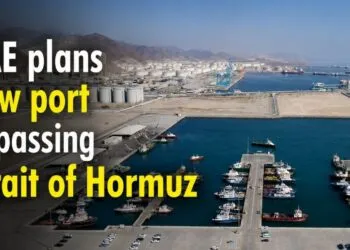
According to apnews.com, the Trump administration has announced a US military blockade near the Strait of Hormuz as part of efforts to pressure Iran — a move with direct implications for global maritime trade and supply chain continuity.
Geopolitical Action with Maritime Consequences
The source states that the US military has blockaded Iranian ports and is implementing a naval presence near the Strait of Hormuz. This narrow waterway handles approximately 20% of the world’s seaborne oil and remains a critical chokepoint for containerized cargo, liquefied natural gas (LNG), and bulk commodities moving between Asia, Europe, and the Middle East.
Documented Impacts on Global Markets
The report notes that global markets reacted swiftly: oil prices surged and global markets fell in response to the announcement. It also highlights how such actions could trigger cascading disruptions — including rerouting delays, increased insurance premiums, port congestion at alternative hubs like Jebel Ali or Singapore, and heightened scrutiny of vessel transits under new security protocols.
Broader Context for Supply Chain Professionals
This development follows years of escalating regional tensions affecting key trade corridors. Since 2023, attacks on commercial vessels in the Red Sea have already forced over 60% of container ships bound for Northern Europe to divert around Africa — adding 10–14 days to voyages and raising freight rates by more than 300% at peak (per publicly reported Alphaliner and Drewry data). The Strait of Hormuz represents an even more concentrated vulnerability: unlike the Red Sea, it lacks viable large-scale alternatives. A sustained blockade or hostile incident here would likely compel immediate rerouting via the Suez Canal (if operational) or Cape of Good Hope — both increasing transit time, fuel consumption, and emissions exposure.
For procurement and logistics teams, this reinforces the urgency of mapping Tier-2 and Tier-3 suppliers reliant on Gulf-sourced materials (e.g., petrochemical feedstocks, sulfur, aluminum) and validating contingency plans for air freight uplifts or bonded warehouse buffers in Dubai, Bahrain, or Oman. Real-time AIS tracking, war risk insurance reviews, and dual-sourcing assessments are no longer optional — they are operational imperatives.
Source: apnews.com
Compiled from international media by the SCI.AI editorial team.