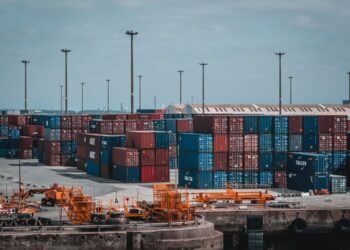
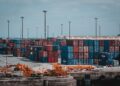
According to www.thehindubusinessline.com, major government-administered ports in India handled 915 million tonnes of cargo in FY26 — a 7.06 per cent increase over FY25. The growth was attributed to capacity expansion, efficiency gains, and improved multimodal connectivity, as confirmed by the Ministry of Ports, Shipping and Waterways.
Top-Performing Ports
Deendayal Port Authority in Kandla emerged as the top cargo handler, managing 160.11 million tonnes — surpassing Paradip Port for the first time. Increased volumes of fertilizers, liquid cargo, and containers drove Kandla’s performance. Paradip Port Authority ranked second with 156.45 million tonnes, achieving 4.1 per cent growth despite declining iron ore exports. Jawaharlal Nehru Port Authority (JNPA), India’s largest container port, ranked third with 102.1 million tonnes.
- Visakhapatnam, Mumbai, Chennai, and New Mangalore ports also registered strong throughput gains
- Key commodities contributing to growth included coal, crude oil, containers, and fertilizers
- Turnaround time improved across ports, alongside enhanced ease of doing business
Policy and Infrastructure Drivers
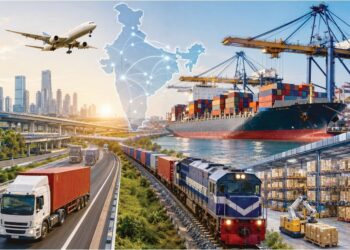
The Ministry highlighted that sustained growth stemmed from coordinated initiatives: modernisation of port infrastructure, digital and smart port adoption, strengthened hinterland linkages, and seamless multimodal integration — including rail and road corridors under the Sagarmala Programme. These efforts align with India’s broader maritime infrastructure push, which has seen over ₹1.2 lakh crore invested in port development since 2014 (per Ministry data published in FY25 annual report). Notably, private sector participation — led by Adani Ports and Special Economic Zone (APSEZ) at Mundra, adjacent to Kandla — has accelerated capacity addition; APSEZ handled over 300 million tonnes across its portfolio in FY26, contributing significantly to Gujarat’s coastal logistics dominance.
“The record cargo handling of over 915 million tonnes by our major ports is a testament to the government’s unwavering commitment to strengthening India’s maritime sector,”
— Sarbananda Sonowal, Union Minister of Ports, Shipping and Waterways
From a practitioner perspective, this 7% growth signals improving reliability in India’s import-export gateways — critical for global supply chain professionals managing inbound raw materials (e.g., coal, fertilizers) or outbound manufactured goods. Reduced vessel turnaround times and expanded container handling capacity at JNPA and Kandla directly lower demurrage exposure and improve shipment predictability. Meanwhile, rising fertilizer and liquid cargo volumes reflect deeper integration into global agri-input and energy supply chains — requiring tighter coordination between port authorities, customs, and inland transport providers. For multinational shippers, the consistent outperformance of western Indian ports (Kandla, Mundra, JNPA) versus eastern counterparts underscores the strategic value of routing through Gujarat and Maharashtra, especially amid Red Sea disruptions diverting alternative tonnage to Indian west coast facilities.
Source: www.thehindubusinessline.com
Compiled from international media by the SCI.AI editorial team.