According to consumergoods.com, Hormel Foods has embedded an AI-enabled planning platform across more than 70 sites in its dry and refrigerated supply networks, completing implementation in December after launching in March of last year.
AI-Driven Planning Platform Integration
The company adopted the Digital Brain platform from o9 Solutions, implemented in collaboration with Accenture. This enterprise-wide system unifies demand and supply planning capabilities, enabling synchronized decision-making across inventory, deployment, and logistics functions. The platform leverages machine learning to support touchless forecasting—reducing manual overrides and improving inventory accuracy, especially during seasonal demand fluctuations.
Operational Impact on Logistics Execution
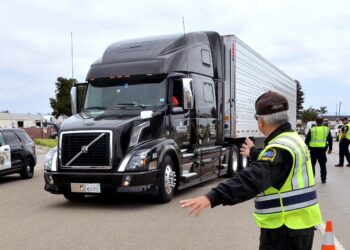
Hormel’s supply chain teams now use an automated recommendation system to optimize truckloads based on weight, volume, and stacking requirements. By translating real-time demand signals into coordinated supply actions, the system allows earlier identification of opportunities and constraints across the planning cycle. This enhances visibility and ensures alignment with retail, foodservice, and international partners.
Leadership and Strategic Continuity
Will Bonifant, chief supply chain officer at Hormel Foods, assumed the role on March 9 and is stewarding a multiyear transformation that includes investments in real-time data sharing with retailers to improve on-shelf availability and a shift toward integrated business planning. His statement underscores the strategic pivot enabled by the new platform:
“By connecting demand, supply and inventory decisions in one streamlined platform, we are shifting from reactive problem-solving to more proactive, data-driven planning. We believe this will strengthen our ability to operate consistently, serve customers more reliably and, ultimately, drive additional growth across our brand portfolio.” — Will Bonifant, chief supply chain officer at Hormel Foods
Hormel—a US-based global food manufacturer known for brands including Spam, Skippy, and Planters—has prioritized supply chain resilience amid increasing volatility in ingredient sourcing, labor availability, and retail channel complexity. Its adoption follows broader industry momentum: Walmart and Amazon have publicly scaled AI-powered demand forecasting since 2022, while DHL launched its Resilience360 AI risk module in 2023. Unlike legacy ERP add-ons, o9’s Digital Brain is built natively for scenario modeling and cross-functional alignment—making it particularly relevant for CPG firms managing high-SKU portfolios across temperature-controlled and ambient networks. For supply chain professionals, this implementation signals a practical path toward reducing forecast error (industry average remains ~25–30% per Gartner), cutting safety stock, and shortening planning cycle times without expanding headcount.
Source: Consumer Goods
This article is AI-assisted and reviewed by the SCI.AI editorial team before publication.