According to africa.com, the March 2026 closure of the Strait of Hormuz underscored the strategic value of Africa’s recent pivot in infrastructure investment—from capacity expansion toward supply chain resilience.
From Raw Export to Local Value Addition
African nations are reconfiguring transportation infrastructure—not only ports but also airports, railways, river ports, and integrated logistics platforms—to support industrialisation. Historically geared toward exporting raw materials, systems are now being expanded to enable local transformation: for example, processing rare earth elements into electric vehicle batteries or refining crude oil domestically. This shift aims to capture significantly greater revenue and advance the African Union’s Agenda 2063 goal of 7% annual GDP growth.

Investment Scale and Composition
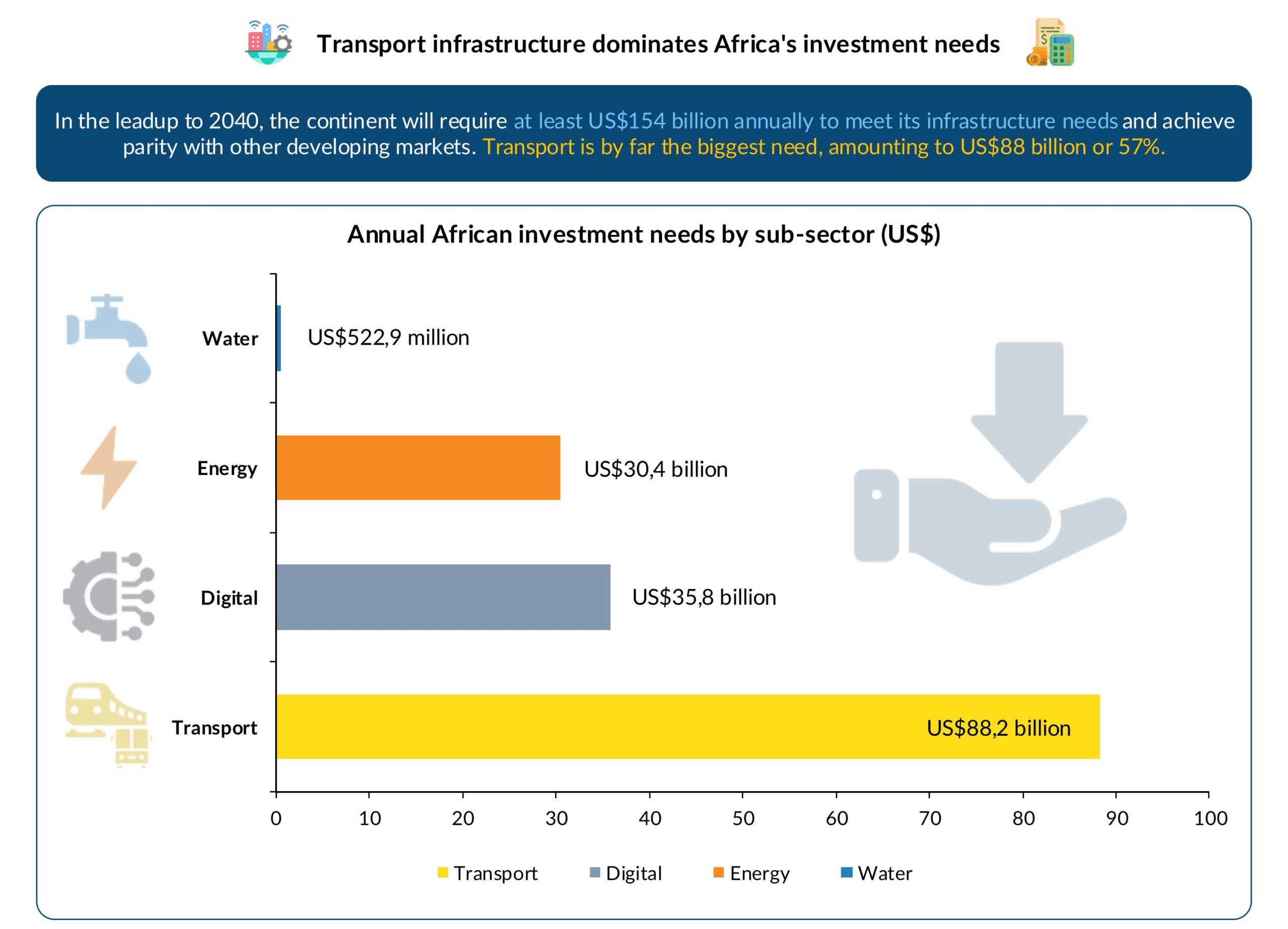
The Organisation for Economic Co-operation and Development (OECD) estimates that US$155 billion per year through 2040 is required to upgrade Africa’s transportation infrastructure to levels comparable with Asia, Europe, and North America. This includes roads (32% of total investment), railways (24%), airports, river shipping, warehousing, and seaports. Critically, 42% of transportation infrastructure spending goes toward maintenance of existing assets.
Resilience as Strategic Imperative
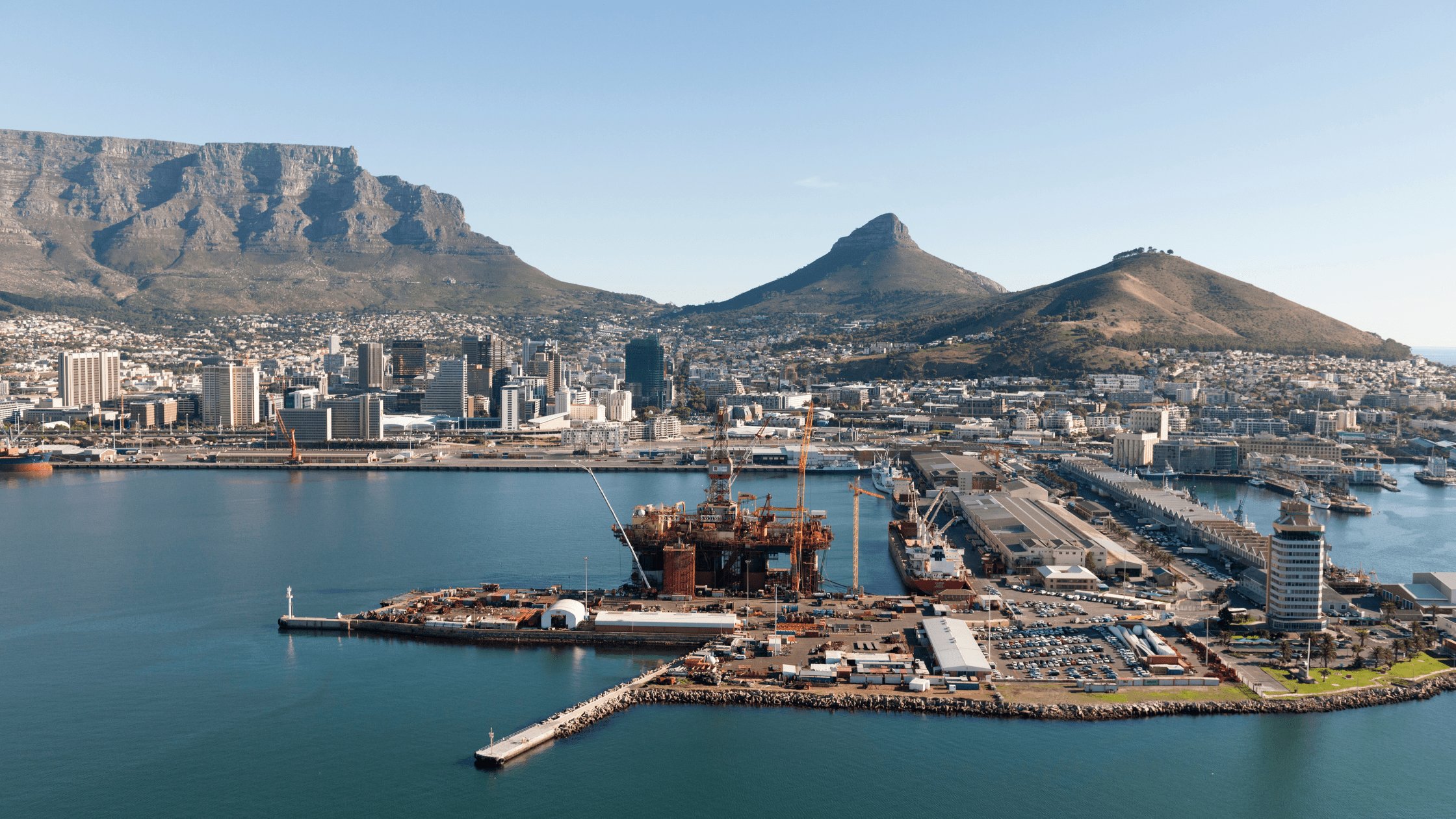
Recent infrastructure priorities have shifted decisively from volume-based growth—more lanes, berths, runways—to systemic resilience: infrastructure capable of withstanding climate shocks, cyberattacks, and geopolitical disruptions. As noted by In On Africa (IOA), African ports with alternative routing capabilities, multimodal connections, and digital tracking systems maintained trade flows during the Strait of Hormuz disruption—demonstrating tangible operational advantage.
Practitioner Implications
- Africa’s low infrastructure baseline means transportation investments yield higher cost-benefit returns than in more developed regions—making early engagement in port-rail-warehouse integration highly strategic for global shippers.
- With roads and railways dominating investment, supply chain professionals should assess corridor-specific bottlenecks (e.g., Dar es Salaam–Kigali rail upgrades, LAPSSET corridor progress) when designing inland distribution networks.
- Given that poor infrastructure ranks as Africans’ top public priority (Afrobarometer survey), national projects face strong political mandate—reducing execution risk for long-term partnerships involving warehousing, cold chain, or customs digitisation.
This resilience-focused infrastructure evolution directly supports intra-African trade under the AfCFTA, reduces dependency on volatile maritime chokepoints, and creates new nodes for nearshoring and regional manufacturing—especially for critical minerals and EV components.
Source: africa.com
Compiled from international media by the SCI.AI editorial team.