According to www.dcvelocity.com, Hy-Tek Intralogistics’ 2026 Warehouse Automation Trends report identifies seven pivotal shifts transforming warehousing and distribution—driven by convergence of software intelligence, artificial intelligence (AI), and robotics.
Attention Turns to Inbound Automation
Historically focused on outbound fulfillment, automation investments are now prioritizing inbound operations—including receiving, putaway, and pallet handling. Load exchangers and case handlers now enable robotic case placement directly onto shelving or into trays without intermediate unpacking. Major capital is flowing toward robotic depalletizing and pallet-building systems; AI-enabled vision inspection for real-time product and barcode identification; and autonomous mobile robots (AMRs) dedicated to case and pallet transport on the inbound side.
RaaS: Rent, Don’t Buy Automated Equipment
Robots-as-a-Service (RaaS) subscription models are enabling organizations to deploy and scale robotic fleets without large upfront capital expenditure. Providers now manage updates, maintenance, and scalability—freeing operations teams to focus on order fulfillment rather than equipment servicing. While most widespread for AMRs, RaaS frameworks are also being adopted by computer vision startups and drone providers.
Software Becomes Central
Hardware remains essential, but software is driving the most consequential advances. Warehouse execution systems (WES), orchestration platforms, and low-code/no-code integration tools are unifying previously siloed systems—including ERP, WMS, robotics, and IoT devices—into a single data-driven ecosystem. This integration enables dynamic coordination across processes and simplifies configuration.
Robotic Programming Gets Easier
Programming robotic arms no longer requires specialized engineers. Low-code interfaces and digital twins now allow operators to configure tasks using visual tools like drop-down menus or via “teach-by-demonstration,” where they physically guide the arm. As a result, robots can rapidly switch between functions—such as decartoning, kitting, and inspection—reducing downtime and engineering costs.
Imagers Get Smarter
Modern imagers equipped with neural processing units (NPUs) can identify, classify, and track products in real time. Unlike legacy vision systems reliant on predefined templates—making SKU scaling cumbersome—neural-network-based systems train on broader product classes. One application pairs such vision with robotic arms to achieve reliable picking after only brief training periods.
Storage Systems Get More Dynamic
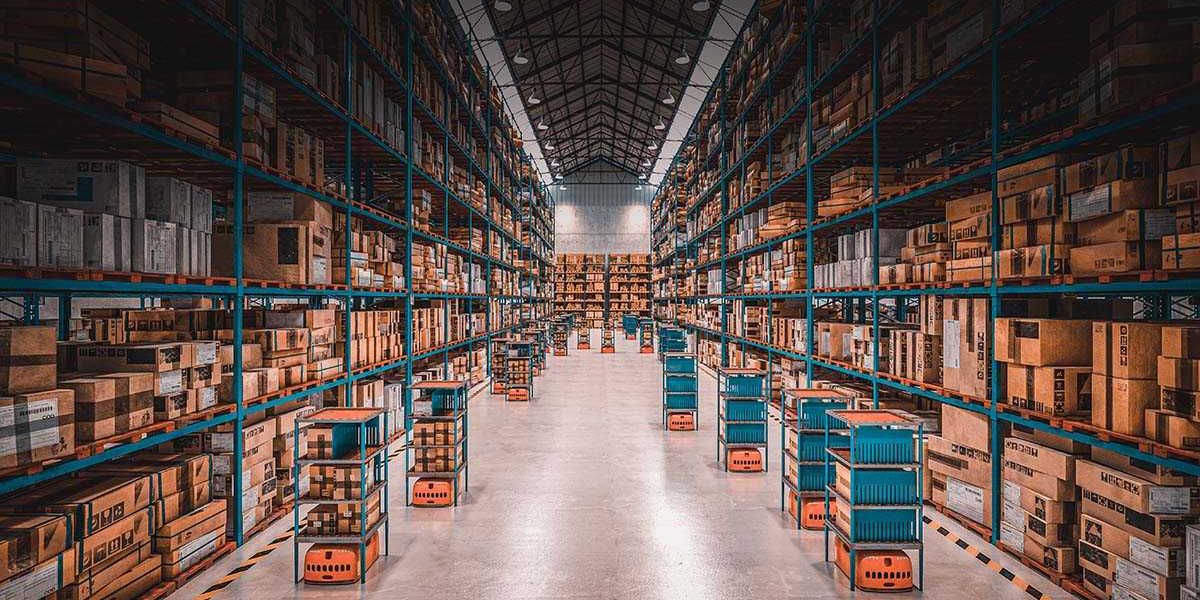
- Robotic automated storage and retrieval systems (AS/RS) are replacing static pick modules, dynamically optimizing storage and retrieval in response to real-time demand shifts
- Unlike fixed racking or conveyor layouts—which are difficult to modify post-installation—robotic AS/RS are modular and reconfigurable as order volumes, SKU mix, or service levels evolve
- For facilities not ready for full-scale AS/RS, mini-load systems offer a compact, high-throughput alternative that integrates with conveyors, shuttles, or robotic palletizers and scales with operational growth
Robotic Sorters Redefine High-Speed Sorting
Where automated A-frame dispensers once dominated high-speed piece picking, robotic sorters now deliver comparable or superior throughput—with far greater flexibility. By combining vision intelligence with adaptive routing, these systems handle higher SKU diversity and volume while sustaining uptime. As the report states:
“This new generation of sorters isn’t just faster; it’s smarter.” — Hy-Tek Intralogistics, 2026 Warehouse Automation Trends: Where Software, AI, and Robotics Converge
Source: DC Velocity
Compiled from international media by the SCI.AI editorial team.