According to www.freightwaves.com, geopolitical uncertainty — especially tariffs — is now the top external driver of supply chain instability for food and beverage companies across North America, with 73% of supply chain decision-makers expecting tariffs to negatively affect their finances in 2026.
Tariffs and Policy Drive Strategic Shifts
The Lineage Cold Chain Insights Survey polled 1,000 supply chain decision-makers across the U.S., Canada, and Mexico. It found that 95% adjusted strategic plans over the past year due to shifting policy landscapes, and 57% reported tariff impacts on 2025 costs were higher than expected. Tariffs and regulation ranked first among external factors disrupting operations — ahead of inconsistent partners, climate disruptions, and rising freight and fuel costs.
Cold Storage Demand Surges Amid Capacity Imbalance
Demand for refrigerated and frozen foods remains strong: 72% of organizations reported rising demand, reinforcing pressure on temperature-controlled infrastructure. Yet capacity growth has outpaced need — Lineage reported that new cold storage space grew 14.5% from 2021 through 2025, while demand rose only 5%. This imbalance follows a wave of post-pandemic facility construction and inventory drawdowns.
Operational Responses and Partner Dependencies
As firms adapt sourcing, inventory planning, and distribution networks, they are increasing reliance on third-party logistics (3PL) providers and cold storage operators. Nearly half (49%) cited flexible storage capacity as their greatest need, while 41% prioritized better data and analytics for planning decisions. Cross-border refrigerated logistics — especially along the U.S.-Mexico and U.S.-Canada corridors — are growing more complex and volume-intensive.
AI and Visibility Take Center Stage
Technology adoption is accelerating: 60% ranked data and AI among the top forces transforming cold chain operations in 2026. Key use cases include transportation optimization, real-time visibility, AI-driven decision-making, and warehouse automation. Early results show promise: 24% of companies reported exceeding ROI expectations from AI investments, while most others said they were meeting or nearing targets.
“Supply chain leaders are operating in an environment where volatility is the norm, not the exception.” — Greg Lehmkuhl, president and CEO of Lineage
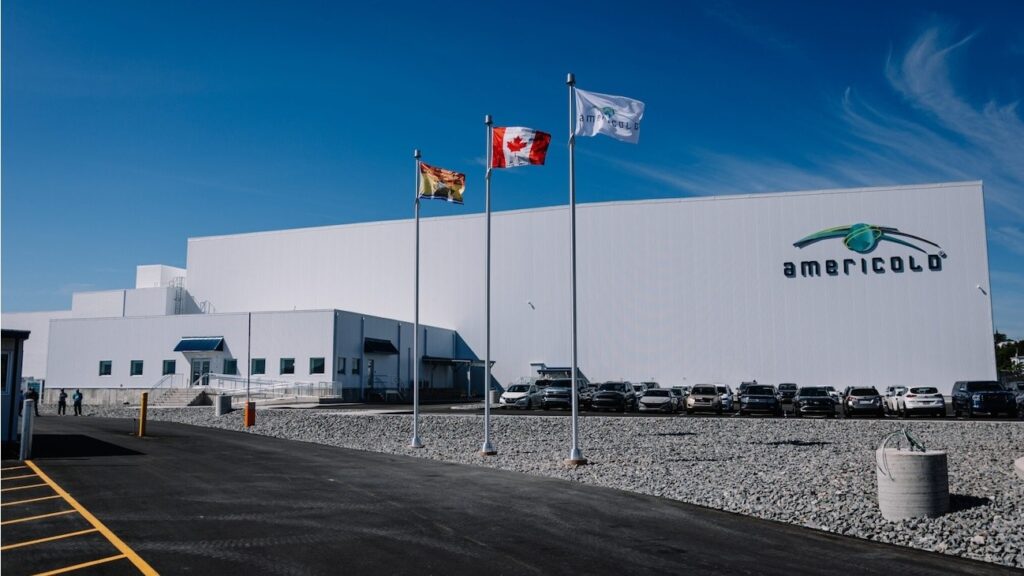
Lineage, headquartered in Novi, Michigan, operates 500 facilities with 3.1 billion cubic feet of temperature-controlled space across North America, Europe, and the Asia-Pacific region. Its integrated service offerings include freight forwarding, customs brokerage, drayage, and truck transportation.
Source: FreightWaves
Compiled from international media by the SCI.AI editorial team.