According to retailasia.com, Central Retail Vietnam has overhauled its supply chain to reduce stock-outs by about 20%, shifting from a fragmented direct-to-store delivery model to a centralised distribution system.
A Shift from Fragmentation to Focus
Under the previous model, suppliers delivered directly to individual stores across Vietnam—a practice that caused congestion, inconsistent delivery windows, and excessive administrative burden. As Mike Reid, chief supply chain officer at Central Retail Vietnam (a unit of Thailand’s Central Retail Corp. Public Co. Ltd.), explained:
“It created fragmentation, variable service levels, and limited visibility.” — Mike Reid, chief supply chain officer at Central Retail Vietnam
Staff were diverted from customer-facing duties to managing deliveries, undermining service quality in a market where consumers increasingly demand freshness, availability, and convenience.
How Centralisation Delivers Results
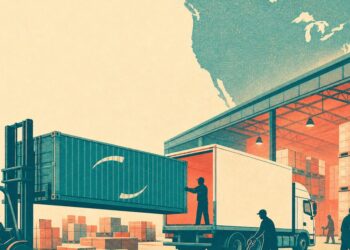
The new centralised model consolidates supplier deliveries at distribution centres, enabling volume pooling, improved demand forecasting, and precise store replenishment. Stores now receive scheduled, consolidated deliveries aligned with actual demand—not calendar-based or ad-hoc schedules. This has reduced backroom congestion, simplified replenishment workflows, and cut stock-outs by about 20%.
Reid emphasized the strategic shift in store roles:
“Centralisation allows our stores to move from being mini logistics hubs to true retail execution centres focused on customer experience.” — Mike Reid, chief supply chain officer at Central Retail Vietnam
People, Process, and Partnership Over Tech-First Fixes
Central Retail Vietnam prioritises process standardisation and capability building before digitisation. Its Supply Chain Academy trains staff in problem-solving, transport planning, and demand forecasting. Standardised replenishment cycles, inventory governance frameworks, and performance measurement systems underpin daily operations.
Core system upgrades now link the company’s enterprise resource planning (ERP) platform with logistics partners’ warehouse management systems—enhancing end-to-end supply chain visibility. Concurrently, the logistics partner network was streamlined from more than 20 providers to five core partners, selected for scalability, joint investment capacity, and adherence to performance standards.
Navigating Vietnam’s Operational Realities
Vietnam’s retail logistics landscape presents distinct challenges: fragmented trucking fleets, low inter-firm collaboration, and urban transport restrictions—including narrow access windows in high-density cities like Ho Chi Minh City and Hanoi. Central Retail Vietnam addresses these not as constraints but as levers for improvement: consolidating shipment volumes, optimising route planning, increasing drop density per trip, and proactively aligning with municipal access regulations.
Reid framed the effort as industry leadership in action:
“The challenges in Vietnam are not barriers; they are opportunities for the next generation of supply chain leaders to push the industry toward higher standards of professionalism, better planning discipline, and stronger collaboration.” — Mike Reid, chief supply chain officer at Central Retail Vietnam
Source: retailasia.com
Compiled from international media by the SCI.AI editorial team.