The Revocation of Cabotage Relaxations in India
On January 21, the Indian government made a significant decision to revoke cabotage relaxations that had been in effect since 2018. The policy allowed foreign carriers to operate domestic shipping routes within India, which was aimed at boosting international trade and enhancing supply chain efficiency. However, the recent revocation has sparked concerns among major mainline carriers who have established robust ecosystems around these relaxed regulations.
The policy change will become effective by late April 2023, leading to a potential disruption in the shipping industry’s operations within India. The decision was made following an evaluation of the relaxation’s impact, which revealed increased freight costs, container shortages, and alleged predatory practices by foreign carriers. Additionally, there has been stagnation noted in the development of Indian-flagged vessels, suggesting that these relaxations did not achieve their intended goal of fostering domestic maritime capabilities.
Impact on Transhipment at Major Ports
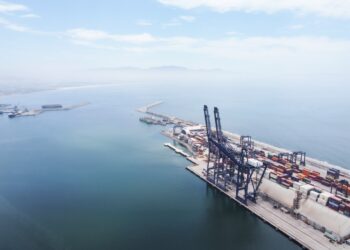
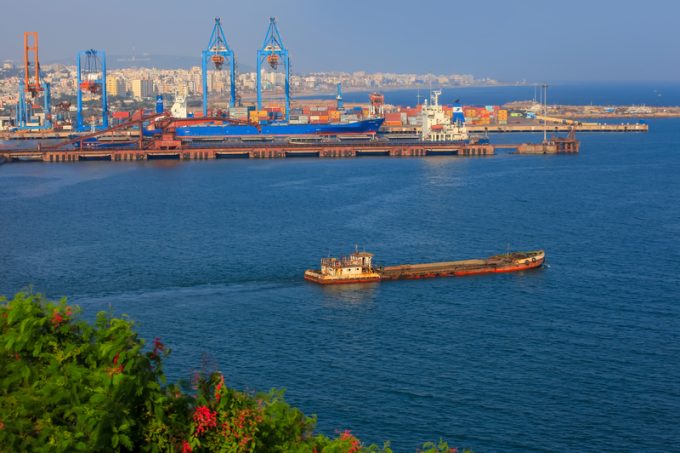
The cabotage relaxation had a significant impact on transhipment volumes at major ports like Jawaharlal Nehru Port Trust (JNPT) and Vizhinjam. Since 2018, the number of containers handled through JNPT for transhipment purposes has increased dramatically from an average of 300 to 400 boxes per day to approximately 7,000 boxes daily. Similarly, Vizhinjam port handles over 100,000 TEUs (twenty-foot equivalent units) in transhipment volumes each month.
The reversal of this policy could lead to a sharp decline in these figures. The loss of transhipment activity will not only affect the volume of goods moving through Indian ports but also impact local businesses and logistics companies that have built their operations around high-frequency transshipments. This scenario is particularly concerning given the current global economic climate, where supply chain resilience and efficiency are critical.
Economic Implications for Stakeholders
The cabotage policy reversal has significant implications for various stakeholders in India’s shipping industry. Major mainline carriers that have invested heavily in setting up operations to benefit from transhipment activities will likely face operational challenges. These companies may need to reassess their vessel schedules and routes, potentially leading to increased costs due to longer transit times and fewer direct services.
Local businesses dependent on smooth supply chains for imports and exports will also be affected. Higher freight costs could make goods more expensive for Indian consumers, impacting both retail prices and the competitiveness of local industries in international markets. Moreover, the shortage of containers could exacerbate delays and increase logistics expenses for companies involved in export-oriented production.
Strategic Implications on Global Trade Routes
The impact of India’s cabotage policy reversal extends beyond its borders and affects global trade routes. Major shipping lines have strategically positioned their networks to leverage Indian ports as key transhipment hubs for South Asia, the Middle East, and Africa. The loss of these efficient transshipment points could force carriers to reroute their vessels through other regional ports such as those in Southeast Asia or the Gulf.
This realignment will likely result in longer transit times and higher operational costs for global shippers. For instance, goods intended for inland destinations within India might now have to be offloaded at distant foreign ports, increasing both time and cost. Additionally, alternative routes could lead to congestion issues at other ports, further complicating the supply chain.
Challenges and Opportunities in Indian Shipping
The revocation of cabotage relaxations highlights the ongoing challenges faced by India’s shipping industry. While the policy aimed to boost international trade through transhipment activities, it inadvertently exposed vulnerabilities within the local maritime sector. The stagnation in the development of Indian-flagged vessels suggests a need for stronger domestic capacity building and investment.
However, this scenario also presents an opportunity for innovation and growth. With foreign carriers potentially facing limitations on their operations within India, there is a chance for local shipping companies to grow by filling gaps left by international players. This could lead to the development of more robust and competitive Indian-flagged fleets capable of supporting domestic trade effectively.
Future Outlook: Adaptation and Strategy
As the cabotage policy reversal takes effect, stakeholders in India’s shipping industry will need to adapt swiftly to maintain supply chain efficiency. Shipping lines may have to negotiate new agreements with local partners or find alternative routes that still offer competitive transit times despite longer distances.
In the long term, the Indian government might revisit its approach towards cabotage policies, balancing between fostering international trade and protecting domestic maritime interests. Investments in port infrastructure and technological advancements could help mitigate some of the operational challenges posed by the policy change. The coming months will provide insights into how effectively these adaptations are made and whether they can sustain India’s position as a key player in global shipping.
Source: The Loadstar