The Automation Arms Race in Logistics
In early 2026, the world’s three largest logistics companies — DHL, UPS, and FedEx — are aggressively scaling warehouse automation, signaling a fundamental shift in how packages move through global supply chains. From autonomous mobile robots to AI-powered sorting systems, automation is transitioning from pilot programs to full-scale deployment.
According to FedEx estimates, the global warehouse automation market is expected to exceed $51 billion by 2030. Behind this figure lies the logistics industry’s strategic response to a triple challenge: labor shortages, surging e-commerce demand, and relentless cost pressure.
DHL: From 240 to 10,000 Projects in Five Years
DHL’s automation journey stands as an industry benchmark. Tim Tetzlaff, DHL’s global head of digital transformation, revealed that the company scaled from 240 automation projects in 2020 to over 10,000 in 2026 — an exponential growth trajectory.
Today, DHL’s autonomous innovations have accelerated processes at 95% of its global warehouses. Key performance metrics include:
- Item-picking robots increasing units picked per hour by 30%
- Autonomous forklifts contributing a 20% efficiency gain
- Autonomous mobile robots unloading containers at speeds of up to 650 cases per hour
“We still have the ambition to grow our business even further, but if you look at where these distribution centers should be located, it’s typically very tough to find additional labor or even additional spaces just to build these warehouses there,” Tetzlaff told CNBC.
UPS: 127 Automated Buildings and Counting
UPS CEO Carol Tomé disclosed on a January earnings call that the company deployed automation in 57 buildings in Q4 2025, bringing the total to 127 automated buildings, with 24 more planned for 2026.
The company’s target is to increase the percentage of U.S. volume processed through automated facilities to 68% by year-end 2026, up from 66.5% at the end of 2025. Executive Vice President Nando Cesarone described a “cascading effect” — legacy conventional facilities are being closed and replaced by more nimble, faster, consolidated automated operations.
Notably, UPS has laid off more than 75,000 workers over the past year, closed 93 buildings in 2025, and plans to shutter at least 24 more in the first half of 2026. The simultaneous push for automation and workforce reduction has sparked intense debate about the balance between efficiency and employment.
FedEx: Fully Autonomous Robots and Network 2.0
FedEx positions automation as an opportunity to enhance worker productivity rather than replace jobs. The company has installed robotic arms at its Memphis hub for small package processing and partnered with AI company Dexterity for robotic container loading.
Recent developments include:
- A partnership with Berkshire Grey to launch a fully autonomous container unloading robot
- The “Network 2.0” initiative now processing approximately 24% of eligible average daily volume through 355 optimized facilities
- CEO Raj Subramaniam reporting “structural cost reductions” from the initiative
While FedEx has not publicly disclosed specific job cut numbers, the language of “structural cost reductions” suggests workforce optimization is a significant component.
The Labor Question: Replacement or Augmentation?
The rapid advance of automation has inevitably heightened labor tensions. The Teamsters union, representing workers from multiple major logistics companies, has stated its commitment to ensuring members have a voice in technology decisions.
“We never want to get in the way of technology and its development,” the union said, while emphasizing that technology deployment must respect worker rights. A UPS spokesperson responded that the company focuses on making jobs easier, with AI and robotics handling repetitive tasks that “make us more efficient in other functions.”
The fundamental question remains: Is automation replacing workers or augmenting them? Current evidence suggests both. UPS is conducting mass layoffs while claiming automation improves remaining jobs. DHL frames its robots primarily as solutions to labor gaps rather than replacements. The reality likely lies somewhere in between — and the answer may differ significantly by market, role, and timeline.
What This Means for the Industry
The warehouse automation wave reflects several deep structural trends:
- Structural labor shortages: In developed markets, warehouse workers are increasingly difficult to recruit, turning automation from a luxury into a necessity
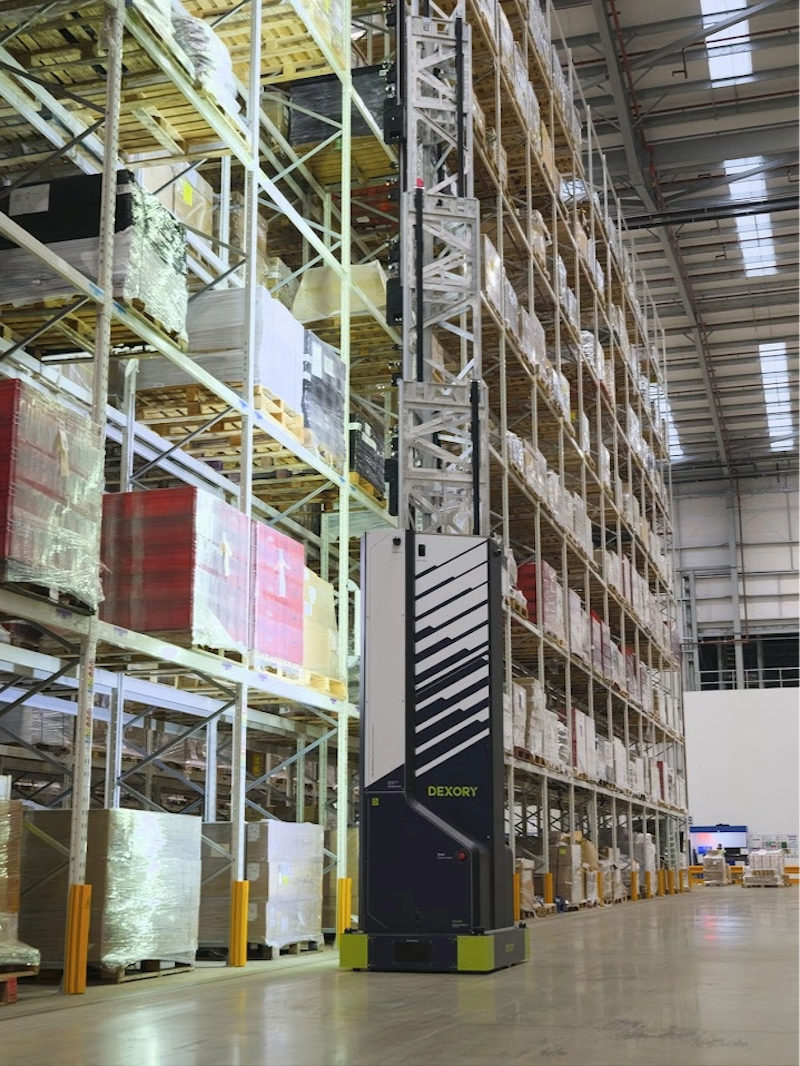
- AI-robotics convergence: Today’s warehouse robots aren’t simple mechanical arms — they feature computer vision, path planning, and autonomous decision-making
- Exponential scaling: DHL’s growth from 240 to 10,000 projects in five years demonstrates that once technology matures, deployment accelerates dramatically
- The efficiency-employment trade-off: The industry must find a new equilibrium between productivity gains and social responsibility
Looking ahead, warehouse automation will remain one of the logistics industry’s most critical investment areas. As technology costs continue to decline and AI capabilities advance rapidly, major global logistics companies are expected to significantly increase warehouse automation rates before 2030. The impact of this transformation on millions of warehouse workers worldwide will be one of the most important socioeconomic issues of the coming years.
Source: cnbc.com