USPS Terminates Consolidator Discounts Including UPS and DHL
This change aims to boost revenue and efficiency.
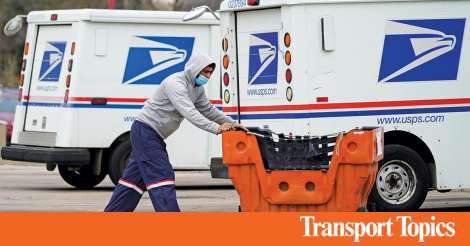
The U.S. Postal Service (USPS) announced on September 11 that it will end the discounts used by consolidators like UPS and DHL to deliver packages nationwide. This move is intended to help USPS reduce losses, but may result in higher costs for consumers.
Consolidators transport approximately two billion parcels annually through USPS, accounting for about a quarter of its total volume. The change will increase postal revenue and efficiency while encouraging shippers to use direct USPS services such as Ground Advantage. Postmaster General Louis DeJoy told the Associated Press that this is part of the goal.
He insisted that although this change may boost USPS market share and increase costs for consolidators, it’s aimed at financial sustainability rather than dominating the parcel delivery business. These increased costs could be passed on to consumers.
“I don’t intend to take over the package business. I just want to save the mail business,” he said.
UPS Inc. ranks first among the top 100 carriers in North America for transportation topics. DHL Supply Chain is ranked fourteenth, and DHL Group is fourth globally in freight forwarding rankings.
DeJoy stated that this change was overdue as USPS seeks to cut losses and adapt to changes in shipping habits due to an 80% decline in First-Class Mail volume since 1997. Some consolidator agreements have been renegotiated, while others will be restructured when they expire next year.
“Reevaluating these commercial arrangements is the right thing for USPS and American taxpayers. Of course, we will reach agreements with consolidators who are willing to negotiate and enter into mutually beneficial agreements based on more reasonable use of our network,” he added.
These changes are part of USPS’s efforts to enhance its Ground Advantage parcel delivery service and eliminate cheaper final-mile delivery fees. With postal carriers delivering six days a week to 167 million addresses nationwide, the last mile is the most expensive segment.
The change affects consolidators that deliver large volumes at approximately ten thousand locations across the country. Under the new changes, the number of locations will be reduced to about five hundred larger hubs capable of handling these volumes.
This measure was submitted to the Postal Regulatory Commission in June and is part of DeJoy’s 10-year plan for financial sustainability and improved efficiency.
The change does not affect large shippers like Amazon that negotiate directly with USPS. However, it may lead to higher shipping costs for various products transported through consolidators who save on final delivery by using the postal network. Major consolidators include DHL eCommerce and OSM Worldwide. UPS is also a consolidator via SurePost and Mail Innovations.
The increased usage cost of USPS’s vast network is bad news for consolidators, who must find cheaper alternatives or face being abandoned by businesses opting to send products directly through USPS and other carriers, according to Satish Jindel, president of ShipMatrix and a transportation and logistics expert.
“The days of the consolidator are numbered,” he said.
Some consolidators have already begun responding to these changes.
Pitney Bowes has filed for bankruptcy protection for its e-commerce division until next month. FedEx canceled its use of the postal network through FedEx Smart Post and switched to using its own trucks and contractors with FedEx Economy Ground.
FedEx ranks second in the TT100 list of large carriers.
Source: Transport Topics