Port Strikes Could Cause Weeks of Manufacturing Delays
Chemical and pharmaceutical manufacturers will be hit the hardest, with some companies potentially running out of raw materials within two to six weeks.
Publish Date: September 30, 2024

Kate Magill, Manufacturing Editor
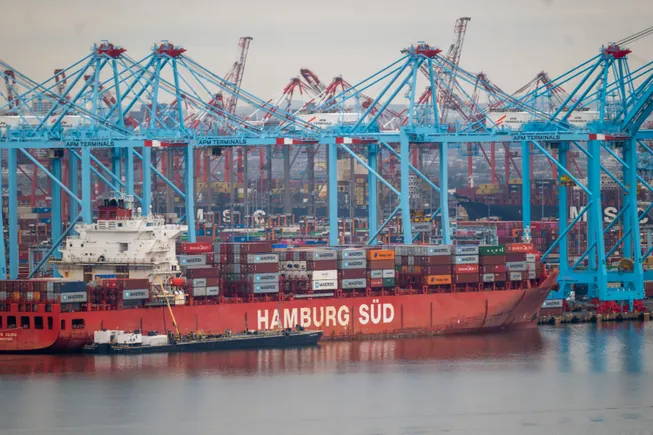
Nationwide manufacturers are preparing for a potentially threatening [East Coast and Gulf Coast port strikes] if the International Longshoremen’s Association and the American Maritime Alliance fail to reach a contract agreement today.
The strike could disrupt operations at dozens of ports covered by the contract. States under threat include Texas, Maine, New York, New Jersey, and Florida, but delays may also affect other regions. The widespread impact means manufacturers in various industries might be affected due to delayed material deliveries and backlogs in cargo transportation.
Chemical manufacturers are among those most impacted, with many of these businesses relying on eastern ports for raw materials supplies.
Many specialty chemical manufacturers operate on tight order schedules, planning production calendars only up to two weeks ahead, said Genevieve Strand, Director of Government Relations at the Chemical Manufacturers Association.
Due to this just-in-time system, these manufacturers typically do not keep large inventories of components on hand, making it a significant threat to production when supply shipments cannot be quickly obtained.
Chemical manufacturers could feel the impact of the strike on their order production capacity within two weeks, added Robert Helminiak, Vice President of Legal and Government Relations at SOCMA.
“Many only plan the production calendar for two to three weeks ahead, and their entire business model is built around timely deliveries,” Strand said. “So they actually can’t predict what raw materials they might need in a week or two, even up to three weeks.”
Pharmaceutical manufacturers and defense contractors that rely on imported specialty chemical additives will also be similarly affected, Strand added.
Emergency Plans for Just-In-Time Manufacturers Are Challenging
As part of their emergency plans, some manufacturers have brought in excess basic material supplies to ensure continuity of production as much as possible.
However, it is a limited plan for others. Strand noted that one defense SOCMA member company producing jet engine additives primarily depends on imported chemicals and would be unable to continue production if there were an interruption lasting six weeks.
In terms of exports, many manufacturers have expedited cargo shipments in recent days, trying to complete deliveries before the strike deadline. Many [East Coast ports extended their operating hours] to accommodate more goods, and some ports, including the South Carolina Ports Authority and Georgia Ports Authority, will not charge storage fees during the work stoppage.
“Many only plan the production calendar for two to three weeks ahead, and their entire business model is built around timely deliveries.”
Genevieve Strand
Director of Government Relations at the Chemical Manufacturers Association
Others have shifted cargo to West Coast ports, though this usually means longer timelines and higher costs, Strand said. Air freight is an option for some manufacturers, but Strand noted that some companies require such large volumes of raw materials that air transport cannot solve the issue.
Any manufacturer concerned about potential impacts should contact suppliers to determine which supplies are already in-country, Baratta, CEO of digital manufacturing and cybersecurity firm MxD, said. They should also reach out to customers to adjust delivery schedules if necessary.
Sharing this data between suppliers, manufacturers, and clients helps ensure that the necessary production schedule adjustments can be made, Baratta added.
“They may expedite orders for other materials to keep business running and ensure cash flow while addressing supply chain issues,” Baratta said. “It always comes down to planning.”
The Threat of a ‘Multiplier Effect’
Helminiak said the strike would have a “multiplier effect” on production delays, with days-long strikes causing weeks of disruptions for manufacturers waiting for supply shipments or trying to transport products through ports.
“It’s not like each day is an isolated event,” Helminiak said. “Each day exacerbates the problem because it adds to the backlog at the ports. It also exacerbates other issues in the supply chain.”
“For small manufacturers, their profit margins are very thin, as we’ve been saying all along, if you’re not producing, you’re not making money.”
Berardino Baratta
CEO of MxD
The longer the strike lasts, the broader its impact on manufacturing will be. Small manufacturers in particular may struggle to survive during extended disruptions, Baratta said.
Baratta added that for some small businesses, temporary layoffs could become necessary within two weeks. Like just-in-time manufacturers, small companies typically do not keep large inventories of materials on-site, making them more vulnerable to significant production interruptions.
“For small manufacturers, their profit margins are very thin, as we’ve been saying all along, if you’re not producing, you’re not making money,” Baratta said. “So if they rely on materials or components transported through these ports, weeks of disruption could mean layoffs.”
Source: Supply Chain Dive