According to Supply Chain Dive, Puma has entered into an agreement with Maersk to manage its North America distribution network, aiming to streamline product movement and processing.
Three AutoStore-equipped facilities under management
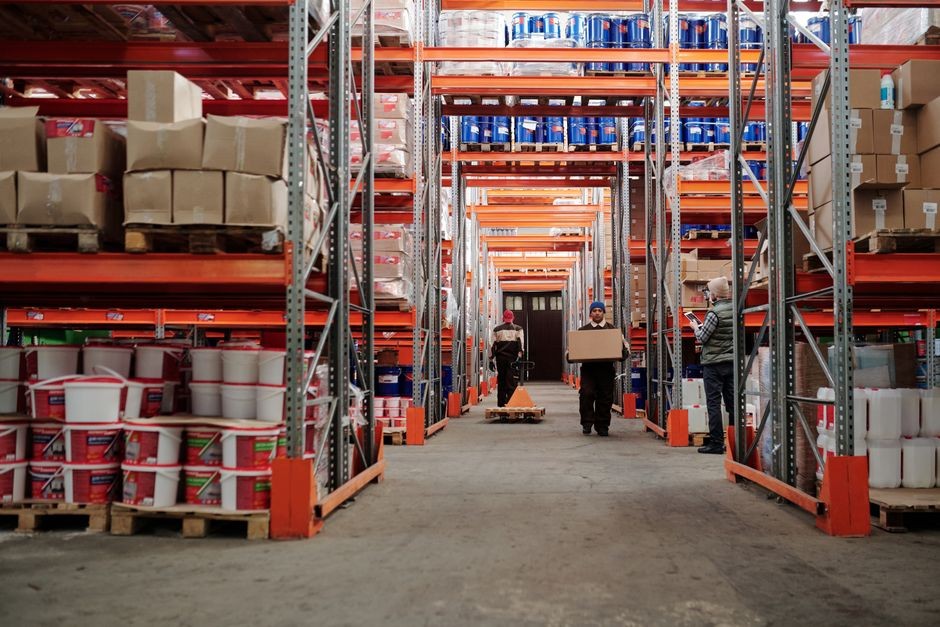
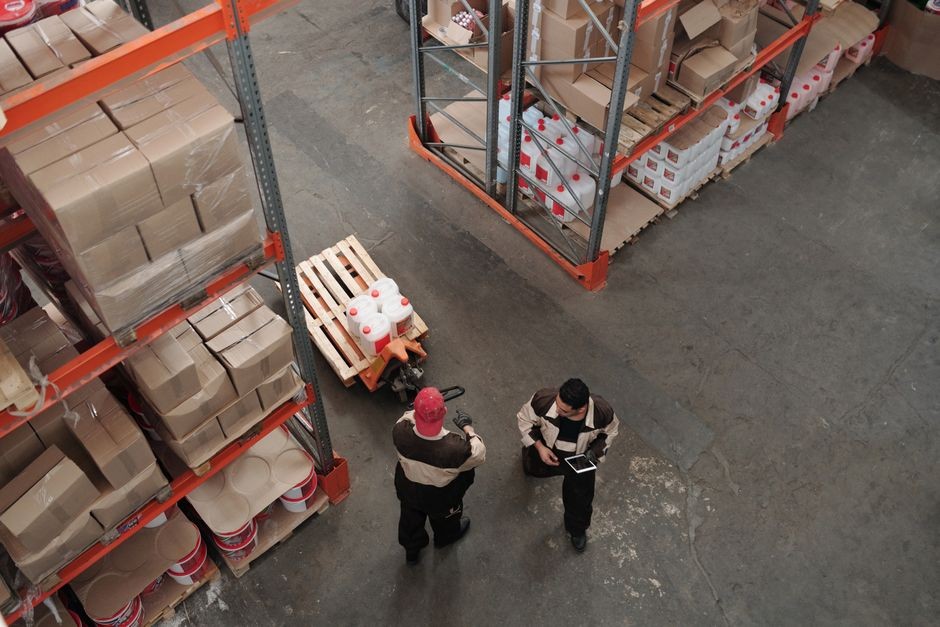
Maersk will manage three of Puma’s distribution centers in North America — located in Torrance, California; Phoenix; and Whitestown, Indiana — all equipped with AutoStore automation technology. These facilities collectively span approximately 2.3 million square feet, as stated in Maersk’s September 24, 2026 press release.
The agreement expands a long-standing partnership through which Maersk already provides Puma with ocean shipping, air freight, customs clearance, inland transportation, and fulfillment services. The new scope adds end-to-end warehouse and distribution management across the U.S., reinforcing Maersk’s shift beyond traditional maritime operations.
This operational integration enables real-time inventory control and faster order processing, directly supporting Puma’s regional growth objectives in North America. The facilities’ automation infrastructure is designed to enhance throughput accuracy and labor efficiency under Maersk’s oversight.
Capacity-sharing model for third-party customers
Under the terms of the agreement, available capacity across the three Puma distribution centers will be made accessible to other Maersk clients. This shared-network approach reflects Maersk’s strategy to monetize underutilized logistics assets while maintaining service reliability for Puma.
The arrangement was announced on Oct. 2, 2026, and forms part of Maersk’s broader U.S. logistics expansion — a move documented in Supply Chain Dive’s prior coverage of Maersk’s transition from ocean carrier to integrated supply chain provider.
This development underscores how global brands are increasingly outsourcing complex distribution operations to third-party logistics providers with scalable infrastructure. The 2026 launch date signals near-term execution, with no phased rollout timeline disclosed in the source material.
Source: Supply Chain Dive
Compiled from international media by the SCI.AI editorial team.