Skip to content

Strategic Sourcing

Analysis

U.S. Bank: Contract freight rates exceed spot by 22 cents/mile

U.S. Bank’s October 2026 Freight Payment Index shows contract dry van linehaul rates reached $2.39/mile in August—22 cents above spot at $2.17/mile, the widest gap since June. Spot fell 3.2% to 1,264,897 loads; contract dropped 1.3% to 740,249. Fuel surcharges rose 13% to $0.70/mile, raising fuel’s share of spot rates to 24%. Both rates remain sharply higher year-over-year: spot up 35.6% from $1.60 in August 2025; contract up 20.1% from $1.99.

Original source: freightwaves.com

U.S. Bank: Contract freight rates exceed spot by 22 cents/mile

Ask SCI.AI about this story

According to FreightWaves, U.S. Bank’s October 2026 Freight Payment Index – Rates Edition reports that contract dry van linehaul rates ended August at $2.39 per mile—22 cents above spot linehaul, which fell to $2.17 per mile. This marks the widest gap since June, when spot had briefly led contract by 8 cents.

Monthly rate divergence deepens

Spot linehaul declined steadily from $2.38 in June to $2.35 in July and $2.17 in August. Contract linehaul rose each month—from $2.30 in June to $2.38 in July and $2.39 in August—gaining every month since April. The index, co-produced by U.S. Bank and DAT Freight & Analytics, covers June through August 2026 and breaks out spot, contract, and fuel costs per mile.

The widening gap reflects shippers’ continued preference for committed capacity amid softening transactional demand. As the report notes, “the gap now opening in contract’s favor suggests shippers continue to value committed capacity while transactional freight absorbs more of the market’s weakness.”

Year-over-year, both rates remain sharply elevated: spot linehaul in August was up 35.6% from $1.60 in August 2025, and contract was up 20.1% from $1.99.

Fuel surcharges climb as linehaul softens

Fuel surcharges rose 13% to $0.70 per mile in August from $0.62 in July. With fuel included, spot rates fell 3.4% to $2.87 per mile, while contract rates rose to $3.09 from $3.00. Jeff Pape, head of transportation for U.S. Bank Corporate Payment Systems, stated:

“Fuel costs are increasing while linehaul pricing is softening, making it important for transportation teams to closely analyze the components of their freight spend.” — Jeff Pape, head of transportation for U.S. Bank Corporate Payment Systems

Jennifer Bullock, freight audit and analytics manager at CommScope, emphasized analytical rigor:

“Stable rates do not necessarily mean stable transportation costs. Shippers need to separate fuel from linehaul to understand where pricing pressure is actually changing.” — Jennifer Bullock, freight audit and analytics manager at CommScope

Fuel’s share of the broker-to-shipper spot rate on dry van loads climbed from 21% in June to 24% in August, with diesel prices trending higher into fall, according to Patrick Pretorius, general manager of DAT’s shipper segment.

Load volumes decline amid tightening capacity

Spot loads in the index fell 3.2% in August to 1,264,897 from 1,306,819 in July; contract loads dropped 1.3% to 740,249 from 750,371. Year-over-year, contract loads were down 27.7% from 1,024,398 in August 2025, and spot loads fell 5.7% from 1,341,626.

Pretorius attributed tightening capacity to rising fuel costs squeezing thinner-margin carriers:

“Higher fuel costs push smaller, thinner-margin carriers out of the market, which adds to an already shrinking driver pool.” — Patrick Pretorius, general manager of DAT’s shipper segment

He advised shippers to shift focus from rate-per-mile negotiations toward consolidation and network planning: “Shippers who’ve spent two years squeezing rate per mile would do well to shift focus to consolidation and network planning, as the market is tightening from two directions at once.”

Source: FreightWaves

Compiled from international media by the SCI.AI editorial team.
Ask SCI.AI Finished reading? Continue with SCI.AI. Explore the related policy, route, company and historical context. Continue asking
Stay ahead of supply chain shifts

One email a week: the stories that matter and new risk events — in English, free.

Prefer RSS? Articles Risk events

Yangzijiang books $7B in orders, lifting backlog to $26.3B
Strategic Sourcing

Yangzijiang books $7B in orders, lifting backlog to $26.3B

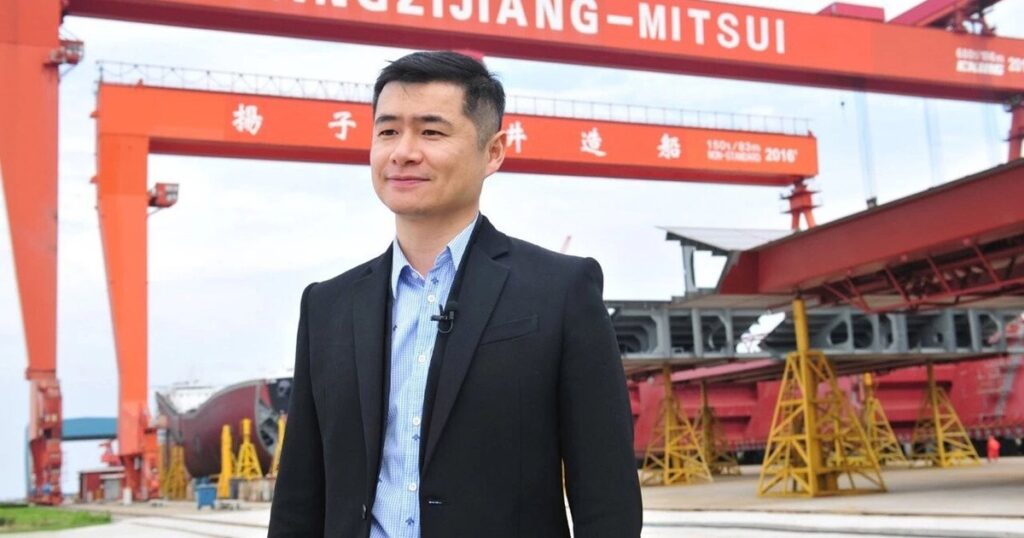
Yangzijiang Shipbuilding has won almost US$7 billion in orders so far this year, lifting its outstanding order book to US$26.3 billion and beating its US$4.5 billion full-year target for FY2026. The contracts cover 87 vessels, including 53 container ships, 18 oil tankers and 13 bulk carriers. Container ships dominate the backlog at 173 vessels worth US$19.4 billion. The group has delivered 47 vessels, or 81 per cent of its 58-vessel FY2026 target, and its shares closed 5.5 per cent higher at S$4.59.

GXO contract wins jump 34% as pipeline hits $3.1B
Strategic Sourcing

GXO contract wins jump 34% as pipeline hits $3.1B

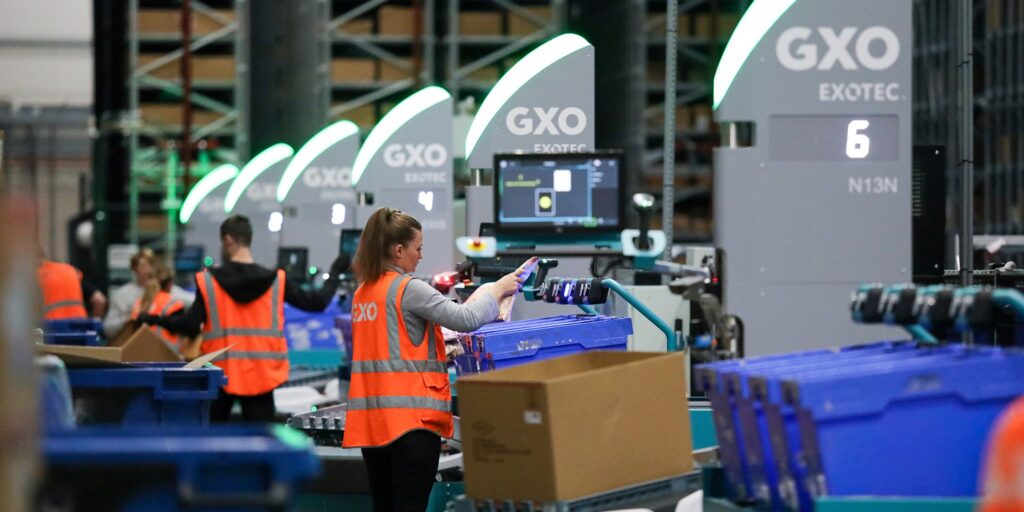
GXO Logistics booked $375 million in new business wins in the third quarter, up 34% year over year, lifting its sales pipeline to a record $3.1 billion. Revenue rose 5.7% to $3.59 billion and adjusted EPS climbed 13% to 89 cents, but rapid onboarding of large customers pushed up implementation costs, leaving adjusted EBITDA flat at $251 million and the margin at 7%. North America's pipeline jumped more than 80% to about $1.3 billion, while technology and consumer electronics revenue grew 19% on data center demand. GXO reaffirmed its 2026 guidance even as free cash flow fell 54.5% to $85 million.

Wallenius Wilhelmsen inks $1bn equipment manufacturing contracts
Strategic Sourcing

Wallenius Wilhelmsen inks $1bn equipment manufacturing contracts

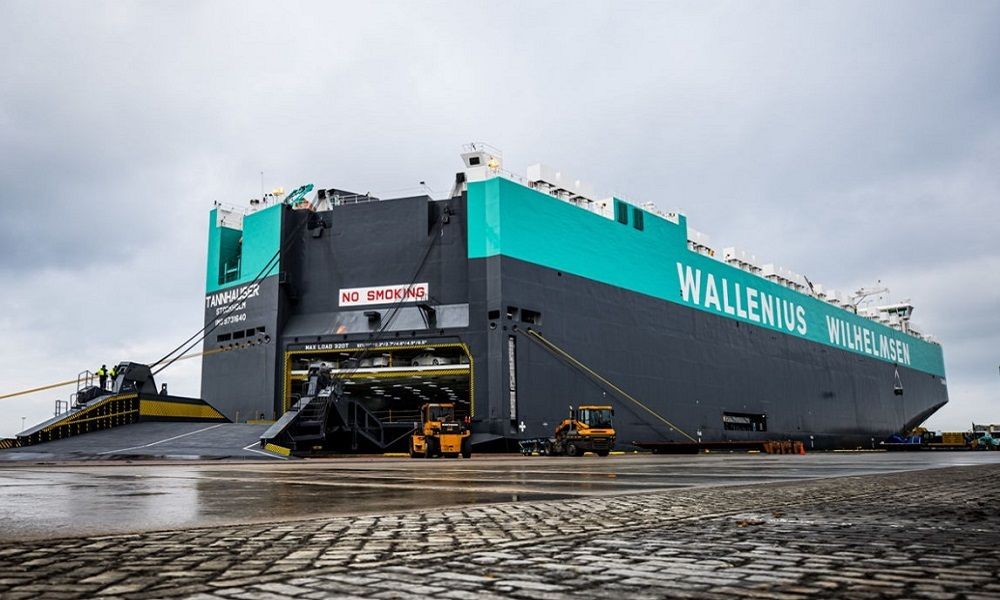
Wallenius Wilhelmsen has secured two contracts worth more than $1bn with a major equipment manufacturer, covering ocean transportation and logistics services over three years. The shipping portion accounts for around $950m and the logistics business close to $100m, though the customer was not identified. The deal follows a $420m early extension with a European carmaker in June, a $190m distribution renewal in March and a $130m agreement in January. It also comes a day after the group ordered four 9,900 ceu LNG dual-fuel vessels at Jinling Shipyard, with options for eight more.

Welcome Back!

Login to your account below

Create New Account!

Fill the forms below to register

Retrieve your password

Please enter your username or email address to reset your password.

Scan to share via WeChat

Open WeChat and scan the QR code to share

QR Code

Add New Playlist