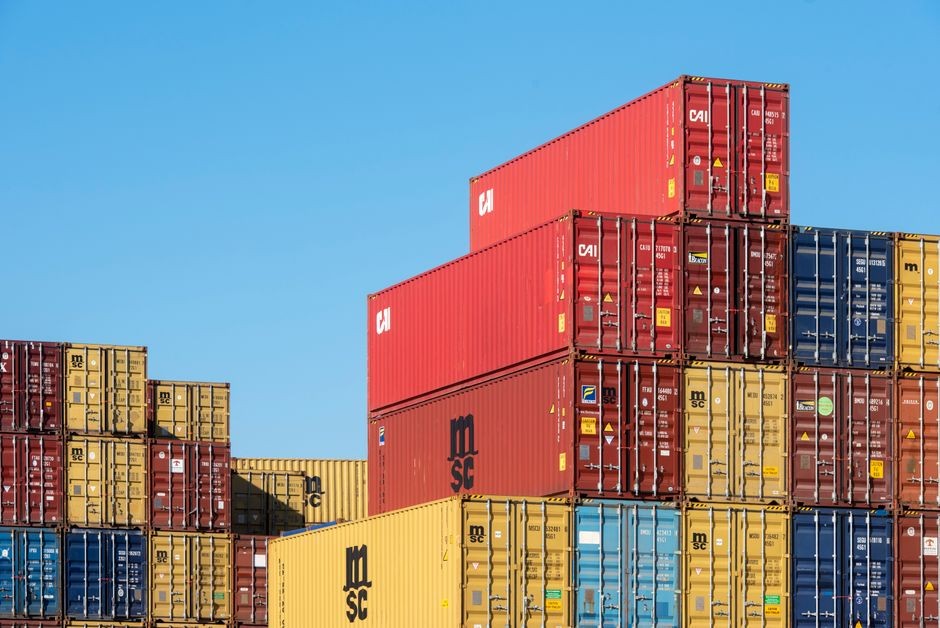
The Port of Los Angeles handled more than 2.9 million TEUs from June through August, marking the busiest three-month period in its history.
Record Summer Volume Amid Global Disruptions
Dockworkers at the busiest U.S. container gateway moved more than 2.9 million container units in June, July and August combined, marking the busiest three-month period in the port’s history. “We’ve put together an exceptionally strong summer,” said Gene Seroka, the port’s executive director. “September is shaping up to be another strong month, and Los Angeles is well positioned to respond as global trade patterns continue to evolve.”
Strong imports persisted as businesses managed tariff changes, weather-related disruptions in China, Panama Canal constraints and higher freight costs tied to the Iran war.
Businesses are also facing elevated freight costs related to the Iran war and the effective closure of the Strait of Hormuz. Seroka said despite favorable rates from Asia to the U.S. East Coast, many importers were still choosing to route their goods through Los Angeles because of its links to rail and other efficiencies.
August Volumes Hold Steady With Year-Ago Levels
The port processed more than 955,000 container units in August, on par with the same month last year. About 500,000 containers loaded with imports came through the Southern California port in August, data tracking volumes in 20-foot container equivalent units, or TEUs. That’s a tick more than last month’s import volumes, and nearly 7% more than the five-year average for August.
Meanwhile, roughly 115,500 export containers left the port last month, reflecting a 9% decline from August last year. Empty containers came in 4% higher, at a little more than 340,000.
National Import Forecast Revised Downward After September
The National Retail Federation revised its peak season estimate, and the trade group now expects import volumes nationally to remain high in September before declining for the rest of 2026, Global Port Tracker. “We thought the peak season would be mostly behind us by now, but that’s not the case,” Jonathan Gold, NRF Vice President for Supply Chain and Customs Policy, said in a statement. “Some of the shift from earlier in the summer to now is because of vessel delays due to bad weather in China and some rerouting away from the Panama Canal amid potential drought conditions there.”
Source: Transport Topics
Compiled from international media by the SCI.AI editorial team.