Skip to content

Geopolitics · Trade & Tariffs

Analysis

Bangladesh Removes $500,000 LC Import Cap for Textiles

Bangladesh’s new 2026–2029 import policy removes the $500,000 annual cap on non-LC imports for textile and apparel manufacturers, expands Free of Cost (FoC) allowances to 10 pieces per design and 15 samples per style, and introduces value-addition requirements ranging from 10% to 40%. It also launches Central Bonded Warehouses and eases import rules for expatriate investors. Designed to balance sourcing flexibility with domestic backward-linkage strengthening, the framework responds to post-LDC graduation trade challenges and aligns with FTAs, CEPAs, and EPAs.

Original source: Source information pending

Bangladesh Removes $500,000 LC Import Cap for Textiles

According to textiletoday.com.bd, Bangladesh has introduced a new import policy covering 20262029 that eliminates the $500,000 annual ceiling on non-letter-of-credit imports for commercial and industrial textile and apparel manufacturers.

Moving beyond LC-based imports

The policy removes the previous value limit on imports made through sales or purchase contracts without opening letters of credit (LCs), enabling textile manufacturers to use such contracts regardless of value, subject to applicable regulations. It also recognizes modern payment arrangements approved by Bangladesh Bank, including open-account transactions — expanding negotiation room with overseas suppliers and potentially improving working-capital efficiency by reducing LC-opening fees and cash collateral requirements.

However, this flexibility increases exposure to payment default, currency fluctuations, pricing risks, and foreign-exchange compliance, necessitating stronger internal controls across importing firms.

Faster access to production inputs

The updated Free of Cost (FoC) import facilities raise trim allowances to 10 pieces per design and sample garment allowances to 15 pieces per style for apparel manufacturers. These adjustments aim to accelerate responsiveness to global buyer development timelines, where product approvals and short lead times directly affect order competitiveness.

Yet the Bangladesh Textile Mills Association has called for tighter FoC controls, warning that unrestricted yarn and fabric imports could weaken demand for domestically produced inputs — highlighting tensions between export agility and backward-linkage development.

Local value addition takes center stage

Value-addition requirements now range from 10% to 40%, depending on product category, value, and sourcing arrangement — with higher thresholds applying to synthetic and specialised textile goods. This emphasis supports Bangladesh’s preparation for post-LDC graduation, aiming to retain more economic value domestically while reinforcing spinning, weaving, dyeing, finishing, and other upstream industries.

Stronger local value addition is also critical for meeting rules of origin under future trade agreements, including Free Trade Agreements (FTAs), Comprehensive Economic Partnership Agreements (CEPAs), and Economic Partnership Agreements (EPAs).

Centralized logistics and broader trade strategy

The introduction of Central Bonded Warehouses and Free Trade Zones aims to streamline input storage and distribution for export-oriented manufacturers. A centralized system could reduce factory storage needs, inventory costs, and supply delays — though success hinges on customs automation, digital inventory tracking, risk-based clearance, and coordination with the National Board of Revenue.

The policy also establishes new import facilities for expatriate Bangladeshis investing in approved local industrial ventures, including easier imports of machinery, parts, and raw materials — aligning the import framework with Bangladesh’s evolving global trade posture.

Source: textiletoday.com.bd

Compiled from international media by the SCI.AI editorial team.
Ask SCI.AI Finished reading? Continue with SCI.AI. Explore the related policy, route, company and historical context. Continue asking
Cargo theft rises 5% in Q2; Southern California accounts for 37%
Geopolitics

Cargo theft rises 5% in Q2; Southern California accounts for 37%

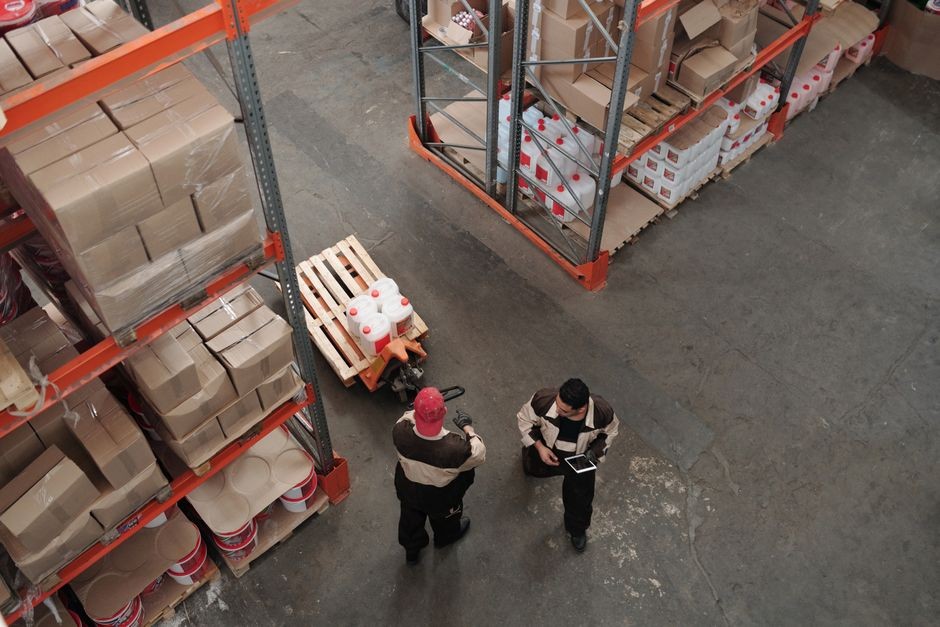
Cargo theft rose 5% in Q2 2026, with 605 reported loads targeted across the U.S., according to Overhaul. Southern California accounted for 37% of all reported thefts over the past 12 months, averaging 81 incidents monthly—up 28% from the prior period. Electronics led targeted commodities (23%), followed by miscellaneous cargo (20%) and clothing/shoes (10%). Pilferage represented 46% of incidents, while deceptive pickup rose from 24% to 28% in Southern California. California (34%), Texas (18%), Tennessee (13%), Pennsylvania (10%), and Illinois (8%) were top state-level hot spots.

Mubadala acquires Arrive Logistics majority stake, targets 16,000 daily loads
AI & Automation

Mubadala acquires Arrive Logistics majority stake, targets 16,000 daily loads

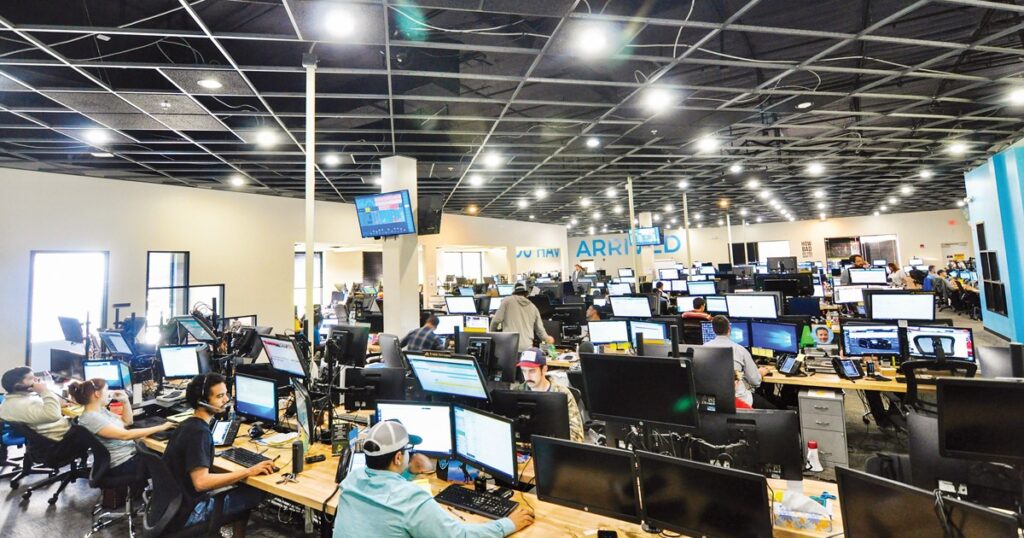
Abu Dhabi-based Mubadala Capital has acquired a majority stake in Austin, Texas-based Arrive Logistics, with the deal expected to close in the fourth quarter of 2026. Mubadala Capital, managing over $600 billion in assets, will become Arrive’s largest shareholder. Arrive currently handles more than 8,000 daily loads and ranks No. 7 among freight brokerages and No. 26 on Transport Topics’ Top 100 logistics companies in North America. Under the new ownership, Arrive aims to double its daily load volume to 16,000, expand its trailer pool, relaunch its Arrive Fresh perishables division — which serves over 3,000 cold-chain carriers — and build a dedicated sales team for small and medium-sized businesses.

Port of Los Angeles locks in ONE terminal for 30 more years
AI & Automation

Port of Los Angeles locks in ONE terminal for 30 more years

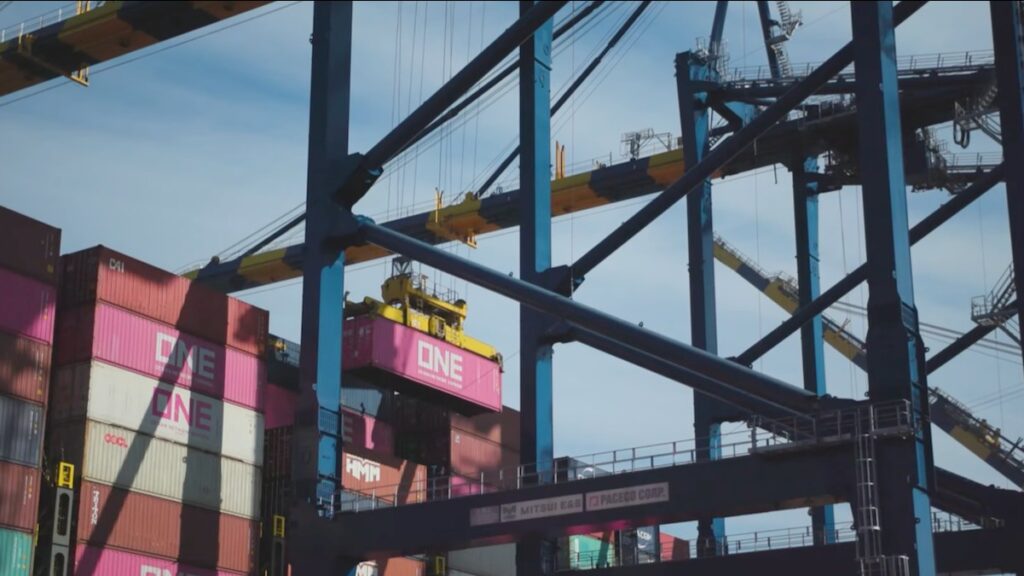
The Port of Los Angeles has renewed its lease with Ocean Network Express (ONE) for Pier T on Terminal Island for 30 more years, effective after the current agreement expires in 2027. The deal secures ONE’s exclusive use of the terminal, supports over 1,200 jobs, and contributes $140 million annually to the regional economy. Pier T serves as ONE’s primary U.S. West Coast hub since 2017, and the agreement includes investments in electrification and digital infrastructure aligned with the port’s Clean Air Action Plan (2035 target) and Digital Port Initiative. Gene Seroka, Port Executive Director, called the pact vital for supply chain reliability.

Welcome Back!

Login to your account below

Create New Account!

Fill the forms below to register

Retrieve your password

Please enter your username or email address to reset your password.

Scan to share via WeChat

Open WeChat and scan the QR code to share

QR Code

Add New Playlist