According to globalsources.com, Indonesia’s upcoming trade pact with the European Union will eliminate tariffs on 98% of tariff lines and cover 99.5% of the total value of bilateral trade — a level described by Trade Minister Budi Santoso as the country’s most ambitious tariff deal yet.
Market Access and Economic Scale
The agreement grants Indonesian exporters access to a market of roughly 450 million people with a combined economy valued at about $22 trillion. Speaking in Jakarta at an implementation dialogue, Trade Minister Budi Santoso said the Indonesia-European Union Comprehensive Economic Partnership Agreement would deliver Indonesia’s strongest tariff concessions to date and open a much wider route into one of the world’s largest consumer markets.
Negotiations began in 2016, and both sides reached a political breakthrough in 2025 before moving into final legal and internal steps. According to the European Commission, the talks were finalized in September 2025, with Indonesia now coordinating across ministries to complete legal documents, align domestic rules, and prepare for implementation.
The Indonesian government is targeting signature in the fourth quarter of 2026, followed by parliamentary ratification and rollout. For Indonesian companies, the larger story extends beyond lower tariffs to improved competitiveness in global sourcing networks — where price, reliability, lead time, and compliance are weighed together.
Sector-Specific Gains and Concessions
The biggest immediate gains for Indonesia are expected in palm oil and related derivatives, textiles, footwear, and rubber goods — all of which would face zero tariffs once the pact takes effect, according to Budi Santoso. In return, Jakarta would phase out duties on key European exports including wood pulp, aircraft and parts, railway equipment, and fertilizers.
The European Commission says the deal will also create new opportunities for EU agrifood, chemicals, machinery, and automotive companies, while protecting sensitive farm products through exclusions and quotas. Beyond tariffs, the agreement aims to reduce border friction via digitalization, faster customs clearance, stronger standards cooperation, and updated sanitary and phytosanitary rules.
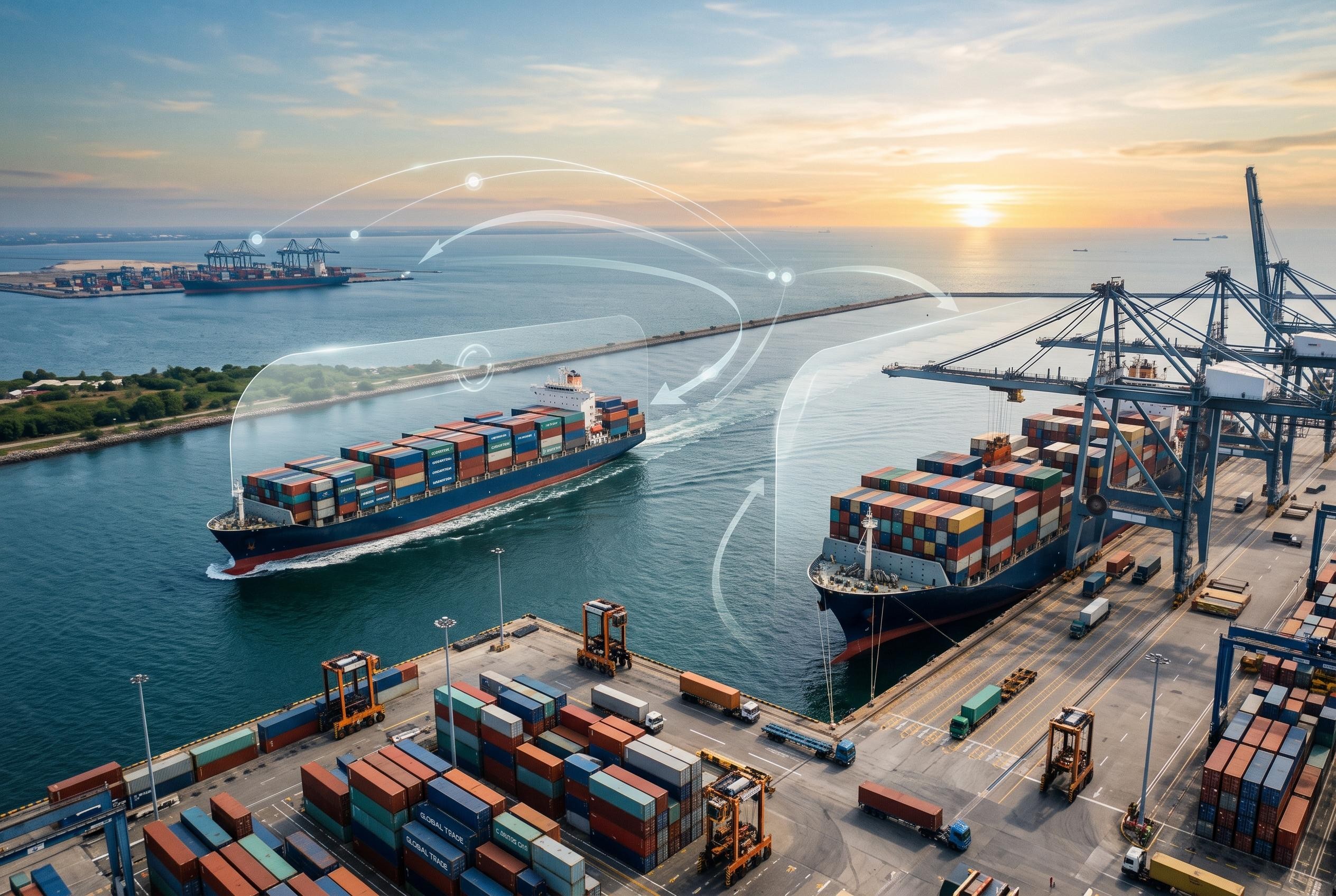
Logistics providers may see some of the clearest operational effects: a more predictable trade framework can improve warehouse planning, freight scheduling, and border coordination. For exporters, that means fewer surprises in shipping timelines and potentially lower compliance costs; for importers — especially those bringing in machinery or industrial parts — it enables more accurate landed-cost forecasting.
Sustainability and Export Readiness
Sustainability provisions are expected to matter significantly, particularly for firms seeking alignment with European buyer expectations. The agreement emphasizes clearer governance for state-owned enterprises, standards cooperation, and sustainability — encouraging Indonesian exporters to upgrade traceability, labor documentation, and environmental compliance systems.
A company shipping palm-based products or rubber goods may need stronger documentation than in the past — but those same systems can make it more attractive to buyers prioritizing resilient, transparent sourcing. European buyers are also likely to demand consistency in certification and product standards, meaning Indonesian firms may need to invest in quality control, testing, and documentation to fully leverage new market access.
For policymakers, the deal represents a strategic bet on diversification. Indonesia has long sought to broaden export destinations and reduce dependence on a narrower set of markets. The EU offers scale, purchasing power, and a demand base spanning consumers, industrial users, and public-sector buyers — all amid a global shift toward supply chain resilience.
Source: globalsources.com
Compiled from international media by the SCI.AI editorial team.