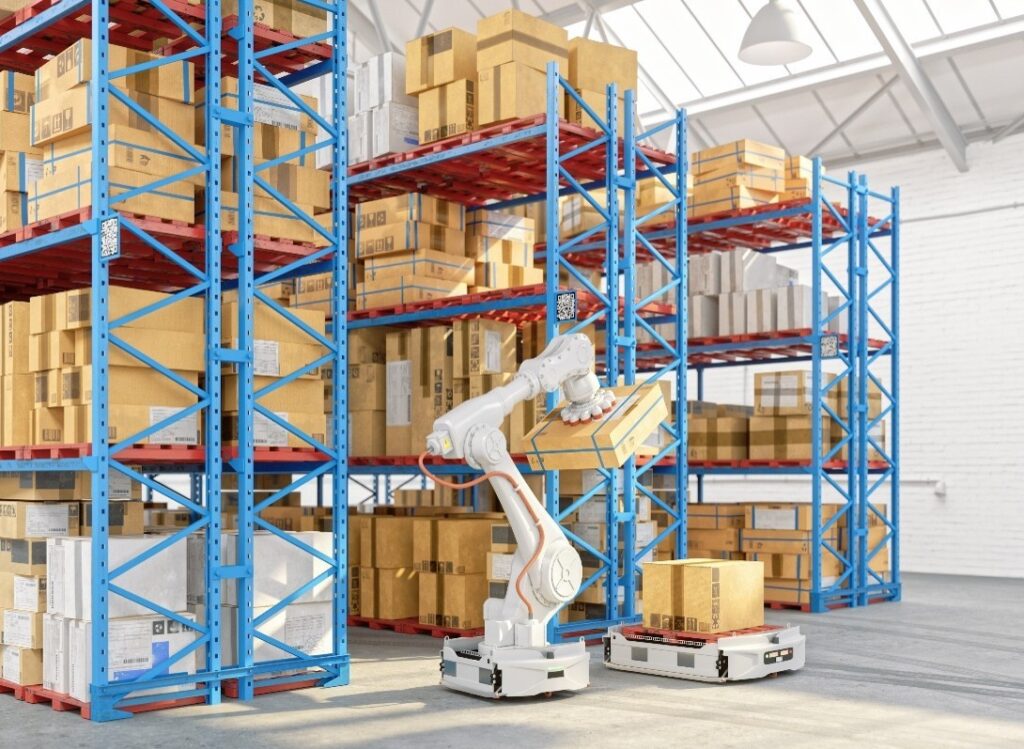
Brisbane’s industrial sector saw record investment in 2025, with 155,000 sq m of warehouse space delivered early in 2026 and leased immediately. Australia’s NABERS Energy ratings now benchmark warehouse efficiency, while equipment rental models — like those offered by All Lift Forklifts — cut emissions by one-third through shared utilization. Space heating consumes 39% of warehouse energy; lighting accounts for 15%. Adelaide and Perth more than doubled investment volumes in 2025. To meet national targets, resource productivity must rise 30% by 2030.
According to impakter.com, Brisbane recorded its highest-ever industrial investment volume in 2025, driven by falling interest rates, increased infrastructure spending, sustained population growth, and global attention ahead of the 2032 Olympic and Paralympic Games.
The Record-Breaking Investment Surge
Developers delivered approximately 155,000 square meters of new warehouse space early in 2026, all of which was leased faster than it came online — maintaining tight vacancy rates and pushing rents upward. This surge extended beyond Brisbane: Adelaide and Perth each more than doubled their industrial investment volumes in 2025, marking record years for both cities and signaling a strategic shift of institutional capital toward previously secondary Australian markets.
Energy Benchmarking and Decarbonisation Pressure
Australia now uses the NABERS Energy rating system specifically for warehouses and cold stores — evaluating lighting, air conditioning, refrigeration, and internal transport to enable annual energy performance benchmarking. The Australian government estimates commercial buildings consume 25% of national electricity and generate 10% of national carbon emissions — making operational efficiency a material lever in industrial decarbonisation. Within warehouse and storage buildings, space heating accounts for 39% of end-use energy consumption, lighting for 15%, and other uses for 21%.
Equipment Rental as a Circular Economy Lever
Firms like All Lift Forklifts, serving Brisbane and Southeast Queensland, offer diesel, electric, and LPG forklifts on flexible hire terms — including maintenance and operator support. This model shifts capital allocation from ownership to usage, freeing up working capital and reducing idle assets. Shared equipment use extends productive lifecycles and prevents redundant machinery purchases. According to the source, higher utilization and extended lifespans of shared machines can cut greenhouse gas emissions by one-third and lower raw material demand across the supply chain.
Barriers to Efficiency Adoption
Despite strong demand, implementation faces structural hurdles. Upfront sustainability investments are often blocked by thin operating margins, fragmented ownership, and short lease terms — a tenant with only three years remaining has little incentive to fund an efficiency upgrade requiring eight years to recoup. Physical constraints compound this: Brisbane’s limited land availability, high energy use, and narrow margins make sustainability retrofits commercially difficult without aligned incentives among landlords, tenants, and investors.
Efficiency as Competitive Infrastructure
Resource productivity must increase by 30% by 2030 to support GDP and employment growth — reframing efficiency not as regulatory compliance but as a market-driven competitive requirement. Early integration of efficiency measures delivers compounding cost advantages over facility lifespans. Pooling equipment across multiple users reduces floor congestion, improves machine utilization, and lowers per-operator capital outlay — aligning with circular economy principles that reduce upstream extraction and processing burdens.
Source: impakter.com
Compiled from international media by the SCI.AI editorial team.