According to www.digitimes.com, surging demand for AI accelerators is driving a global shortage of ABF (Ajinomoto Build-up Film) substrates — a critical packaging material for high-performance chips — with supply constraints expected to persist through 2028.
Core bottleneck in advanced packaging
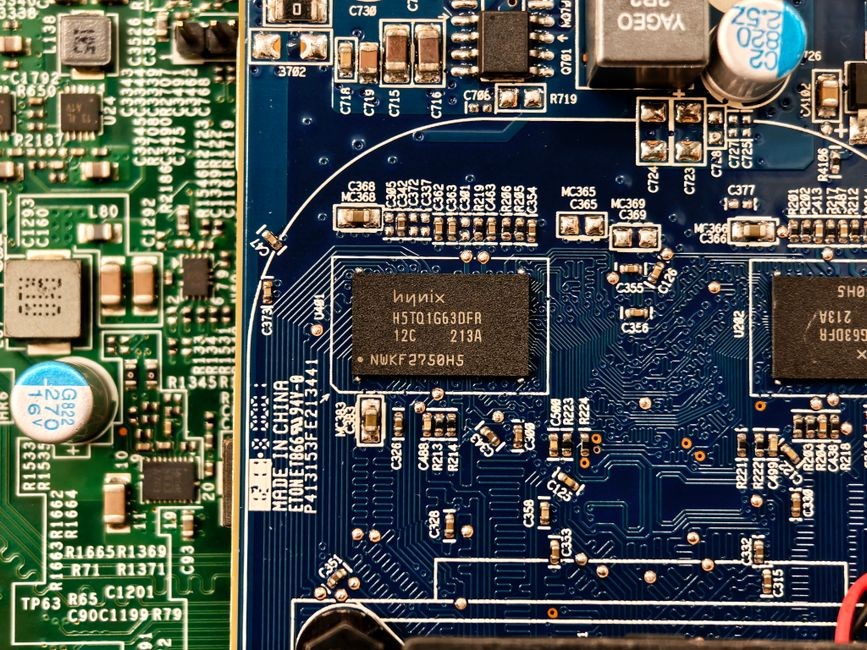
ABF substrates serve as the foundational interposer layer in advanced chip packaging, enabling high-density routing and thermal management for CPUs, GPUs, and ASICs used in AI training and inference infrastructure. As AI hardware deployments scale across data centers and edge systems, substrate demand has outpaced production capacity. According to the report, global ABF substrate utilization rates have exceeded 95% at major suppliers since early 2026, triggering allocation rationing and extended lead times.
The shortage directly impacts semiconductor manufacturers reliant on flip-chip ball grid array (FCBGA) packaging — the dominant format for AI accelerators. Lead times for ABF substrates have stretched to 26 weeks for priority customers, up from 12 weeks in mid-2025. This delay cascades into GPU and AI chip assembly schedules, constraining output for vendors including NVIDIA, AMD, and custom AI chip designers.
Supply-side constraints and capital bottlenecks
The ABF substrate market is highly concentrated: Ajinomoto, Unimicron, and IBIDEN collectively account for over 85% of global production capacity. Expanding output requires specialized cleanroom facilities, proprietary polymer chemistry expertise, and multi-year equipment lead times. New capacity additions are limited by both technical barriers and regulatory approvals — particularly for chemical handling and wastewater treatment in East Asian manufacturing hubs.
Capital expenditure for ABF substrate lines exceeds $1.2 billion per new fab, and construction timelines span 30–36 months. While Ajinomoto announced a $450 million expansion in Taiwan in Q1 2026, that facility will not begin volume production until late 2027. Meanwhile, Unimicron reported a 22% year-on-year revenue increase in its ABF business for Q2 2026, underscoring pricing power amid scarcity.
Downstream impact on chipmakers and system integrators
The substrate shortage is translating into tangible cost and scheduling pressures across the AI hardware stack. Chip packaging costs have risen 18–25% since Q4 2025, with premium pricing applied to substrates allocated for HBM-integrated packages — essential for next-generation AI chips. According to industry sources cited in the report, some AI chip customers have shifted to dual-sourcing strategies or accepted longer qualification cycles to secure substrate access.
System integrators building AI servers face delivery delays averaging 8–10 weeks beyond original commitments. One Tier-1 cloud provider confirmed reallocating $2.1 billion in Q2 2026 toward alternative cooling and power delivery architectures to offset packaging-related throughput bottlenecks. The pressure extends beyond silicon: motherboard and interconnect suppliers report increased scrutiny on ABF-dependent component availability, prompting inventory buffering and safety stock adjustments across Asia-Pacific logistics nodes.
Geographic concentration and regional implications
Over 72% of global ABF substrate production is located in Taiwan and Japan, with Taipei-based Unimicron and IBIDEN’s Japanese operations dominating high-end capacity. This geographic concentration amplifies supply chain vulnerability, especially amid tightening export controls and rising geopolitical friction in the Japan-Korea region. The report notes that U.S.-based AI chip designers now maintain dedicated procurement teams in Taipei to manage substrate allocations — a structural shift from previous centralized purchasing models.
Meanwhile, Southeast Asian assembly sites report growing difficulty sourcing ABF-based packages for AI inference accelerators destined for edge applications. A Singapore-based electronics contract manufacturer disclosed a 37% reduction in quarterly AI accelerator builds in April–June 2026 due solely to substrate unavailability — despite full wafer input from TSMC and Samsung Foundry.
Source: digitimes.com
Compiled from international media by the SCI.AI editorial team.