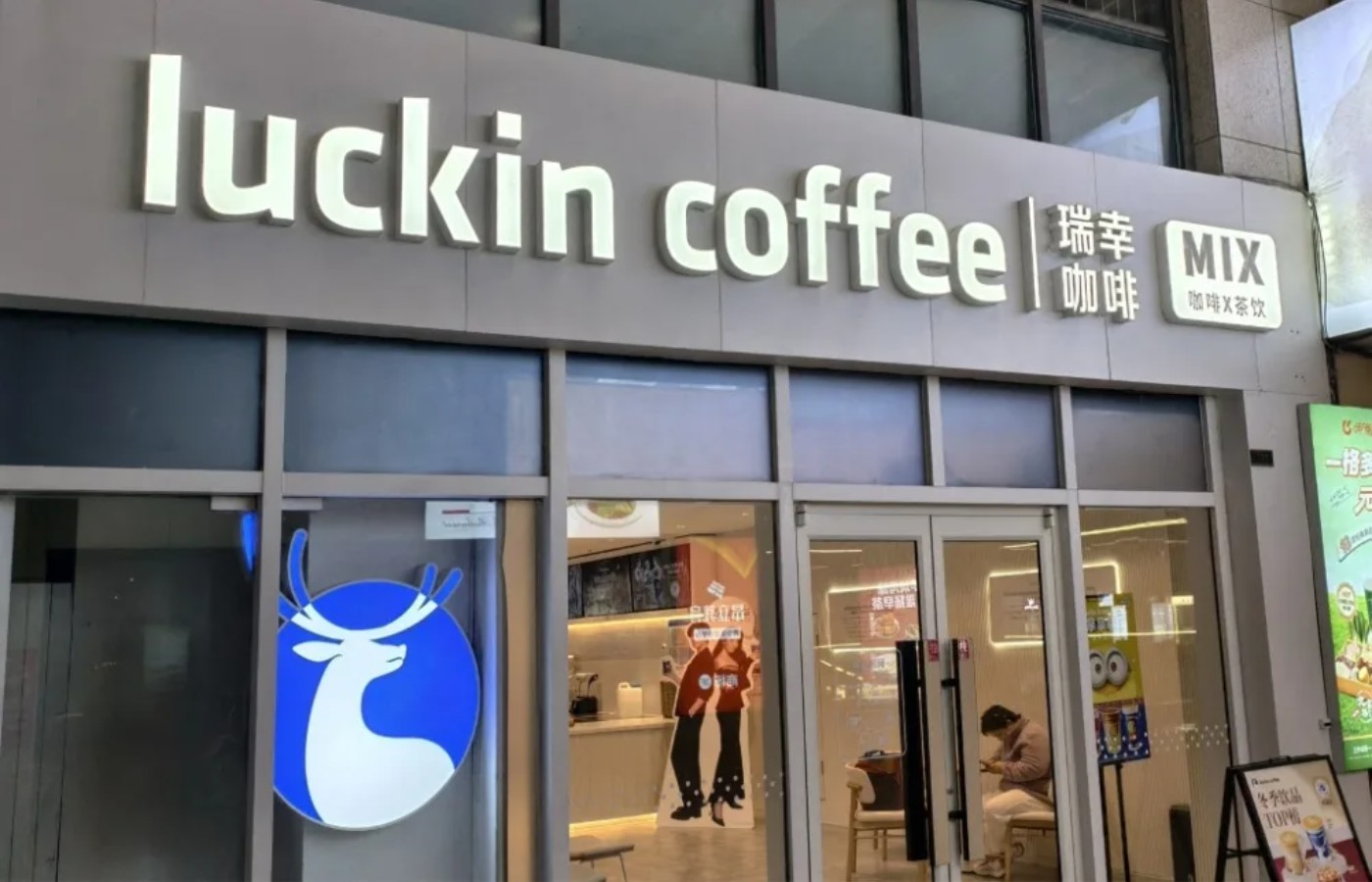
According to birrmetrics.com, Chinese coffee chain Luckin Coffee has opened a 3 billion yuan (approximately $430 million at current exchange rates) smart roasting centre in Qingdao, eastern China, with an annual roasting capacity of more than 55,000 tonnes.
Vertical Integration and Ethiopian Sourcing
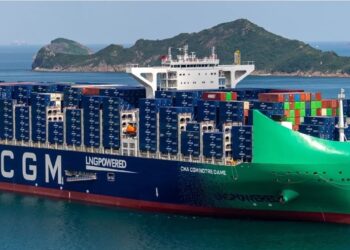
The facility is central to Luckin’s strategy of vertical integration—linking international sourcing directly with automated domestic roasting and logistics. Green coffee beans from key origins—including Ethiopia, Brazil, and Colombia—are imported through Qingdao Port and processed on-site before distribution across Luckin’s retail network. Ethiopian coffee has become one of the company’s core origin sources, used in both standard blends and origin-specific product lines. The company has deepened its engagement at origin level in Ethiopia, including enhanced supply chain coordination.
Infrastructure and Sustainability Features
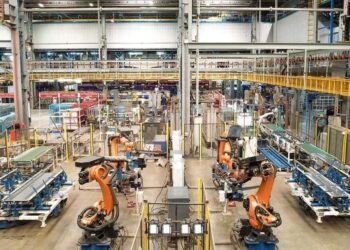
The Qingdao hub leverages bonded warehousing and multimodal transport infrastructure connecting sea, rail, air, and road networks. It includes automated production lines, temperature-controlled warehousing, and emissions-reduction systems. The facility was built in line with China’s top green building and sustainability certification standards. Luckin’s broader roasting network now includes existing facilities in Pingnan and Kunshan, plus another under construction in Xiamen; combined annual capacity is projected to exceed 155,000 tonnes.
Strategic Context for Supply Chain Professionals
Luckin’s move reflects a growing industry trend among fast-growing consumer brands: shifting from transactional import relationships toward embedded, infrastructure-backed origin partnerships. With over 26,000 outlets globally, Luckin’s scale demands predictable, high-volume flows of traceable green coffee—and its investment in Qingdao’s port-adjacent, multimodal-enabled site signals prioritization of lead-time compression, customs efficiency, and carbon-conscious processing. For supply chain professionals, this underscores the operational value of co-locating bonded warehousing, automated roasting, and intermodal connectivity—especially when sourcing from geographically distant origins like Ethiopia. Such integrated hubs reduce handoffs, improve batch traceability, and strengthen resilience against port congestion or documentation delays common in cross-border coffee trade.
“Qingdao’s port infrastructure and logistics systems were central to the company’s strategy of connecting global coffee origins with domestic production and consumption.” — Jinyi Guo, Chief Executive, Luckin Coffee
Luckin, founded in 2017 and headquartered in Xiamen, underwent restructuring after its 2020 Nasdaq delisting and has since pursued aggressive expansion. Its Qingdao facility represents not only a production upgrade but also a deliberate consolidation of upstream procurement, midstream processing, and downstream distribution control—offering a case study in end-to-end supply chain optimization for perishable, origin-sensitive commodities.
Source: birrmetrics.com
Compiled from international media by the SCI.AI editorial team.