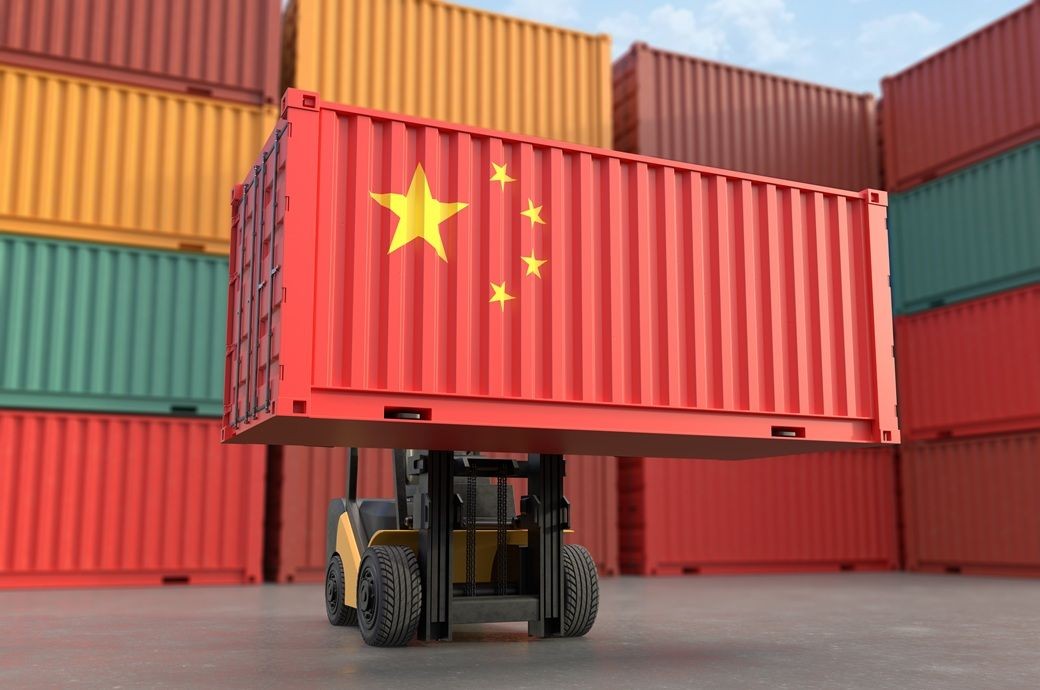
According to Fibre2Fashion, the Chinese supply chain is undergoing a transformation to meet the shrinking sourcing timelines. Faced with changing dynamics, the focus has shifted from cost to speed, flexibility, and value beyond pricing. Buyers now prioritize reliability, responsiveness, and reduced supply chain risk. Documentation, traceability, and transparency have become critical decision-making factors. The demand is also shifting towards functional, lifestyle-oriented fabrics with comfort and versatility. Despite a decline in imports from the United States, the Chinese textile industry is scaling up its research and development to maintain competitiveness.
Key Insights
- Shift in Priorities: Buyers now prioritize reliability, responsiveness, and reduced supply chain risk over cost.
- Increased Importance of Documentation: Documentation, traceability, and transparency are critical in decision-making.
- Product Evolution: Demand is growing for functional, lifestyle-oriented fabrics with comfort and versatility.
- Decline in Imports: The United States imported nearly $* * billion worth of apparel and $* . * * billion of footwear from China in * * * * , but these numbers are drastically down compared to * * * * .
“From our perspective, the more important issue is how to continue creating value through product quality, development efficiency, and supply responsiveness,” said Desheng Ruan, founder of Jushang Textile.
Practical Implications for Supply Chain Professionals
Supply chain professionals must adapt to these changes by focusing on building robust and responsive supply chains. This involves improving documentation and traceability, embracing digital solutions for increased transparency, and focusing on product innovation to meet evolving consumer demands.
Source: www.fibre2fashion.com
Compiled from international media by the SCI.AI editorial team.