1. Macro Structural Turbulence: Supply Chain Resilience in 2026
As the global macroeconomic environment and geopolitical cycles undergo profound and severe fluctuations, the global freight and logistics sector in 2026 is confronting an unprecedented era of structural realignment. In recent years, while the extreme pandemic-era imbalances and exorbitant profit margins have ostensibly normalized, the current prevailing narrative is far from the serene, frictionless shipping ecosystem many had anticipated. Instead, logistics executives are grappling with a “new normal” characterized by chronic, simultaneous disruptions across multiple transportation modes, fundamentally altering how cargo capacity is priced and procured.
Within this highly volatile macro-ecological framework, the core driving forces of global trade have fractured into opposing undercurrents. On one hand, persistent overcapacity in ocean and air freight has precipitated a temporary collapse in spot rates, severely compressing carrier margins and sparking frantic attempts at vessel management. On the other hand, the specter of chaotic tariff realignments, unanticipated port fees, and acute labor challenges means that these seemingly favorable contract rates frequently mask an underlying crisis in service reliability. Shippers are rapidly realizing that exceptionally cheap freight is a toxic asset if it results in systemic delivery failures.
For multinational corporations and aggressive cross-border e-commerce players—particularly those expanding out of Asia into the Americas and Europe—this shifting paradigm dictates an immediate pivot away from legacy procurement strategies. Rather than aggressively hunting for bottom-barrel rates at the expense of network integrity, apex supply chain organizations must aggressively invest in sophisticated digital transparency and extreme operational flexibility. Building a multifaceted, technologically fortified defensive framework is no longer a luxury, but the absolute minimum prerequisite for surviving the turbulent waters of 2026.
2. The Last-Mile Avalanche: Mitigating Exploding Delivery Costs
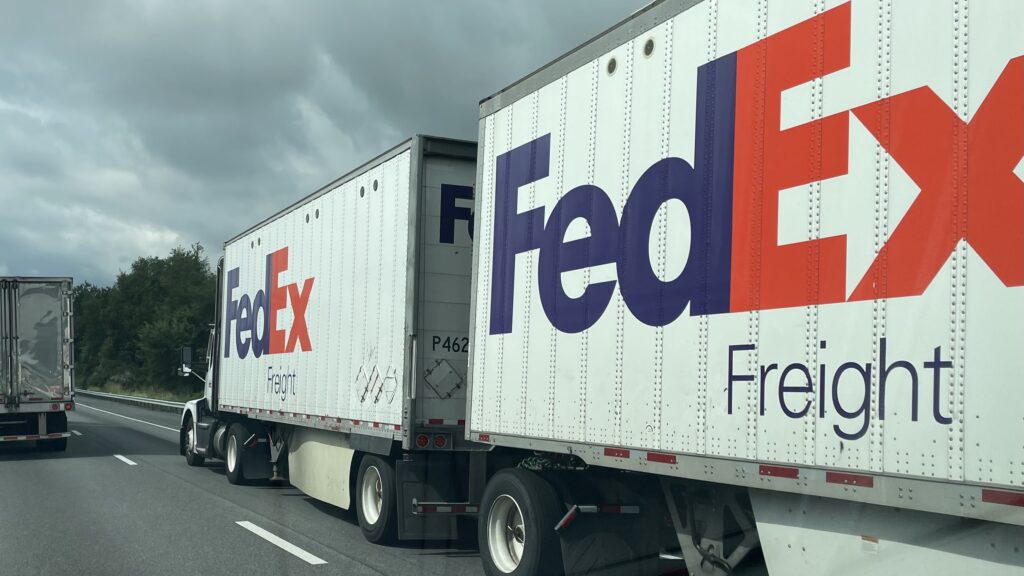
When analyzing operational execution, the most acute financial hemorrhage in 2026 is undeniably occurring at the terminal nodes of distribution—the much-dreaded “last mile,” where fees have completely broken historical precedents. Major global titans, namely FedEx and UPS, continue to roll out aggressive general rate increases (GRI) alongside a labyrinth of specialized surcharges, inflicting severe budget shockwaves upon cargo owners. The TD Cowen/AFS Freight Index provides a harrowing metric: ground parcel rates per package in the first quarter of 2026 are forecasted to surge beyond their unprecedented late-2025 peaks, sitting a staggering 38.9% higher than the fundamental baseline established in January 2018.
This relentless upward trajectory in fulfillment expenditures is ruthlessly suffocating profit margins for sprawling e-commerce ecosystem participants and prominent Direct-to-Consumer (DTC) brands. According to Kenneth Moyer, partner and chief supply chain officer at LJM Group, standard transportation costs barely registered among the top five operational expenses a decade ago. Today, parcel fulfillment has aggressively elbowed its way into the top three expenditure categories. Between haphazard, non-cyclical pricing calibrations and convoluted surcharge classifications, calculating an accurate annual transportation budget has mutated into a virtually impossible task.
To counteract this relentless financial pressure, high-volume shippers must drastically decentralize their traditional, single-carrier distribution methodologies. Forward-thinking global merchants are now violently pivoting toward multi-carrier orchestration algorithms, aggressively leveraging regional parcel specialists to bypass the duopoly’s pricing chokehold. Furthermore, expediting comprehensive nearshoring strategies—strategically prepositioning massive inventory caches inside advanced micro-fulfillment nodes directly adjacent to major consumer hubs—has emerged as the paramount defense mechanism to sever the bleeding associated with long-haul, high-zone parcel transit.
3. Ocean Freight Overcapacity: The Illusion of Contract Dominance
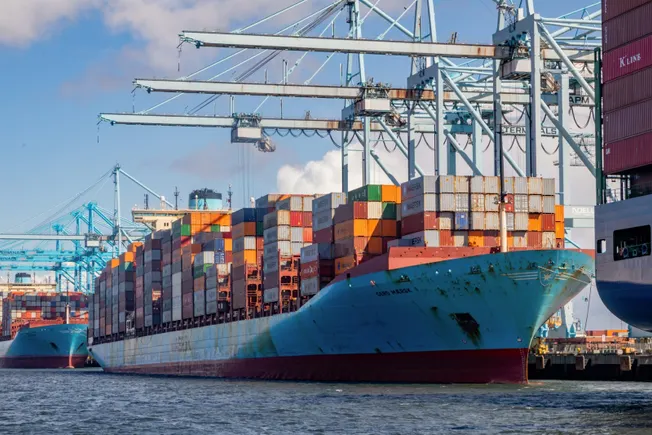
Looking toward the primary artery of heavy global trade—the deeply interconnected ocean freight market—shippers appear poised to command an overwhelming strategic advantage heading into the pivotal March-to-May contract negotiation season. Hind Chitty, a senior manager charting maritime economics at Drewry Supply Chain Advisors, notes that despite sustained demand waves striking the critical Transpacific eastbound corridor, the sector remains fundamentally anchored by structural overcapacity. With an additional 3.7% surge in fleet capacity projected for 2026—effectively dumping another 1.5 million TEUs into an already saturated ecosystem—shippers hold significant leverage to lock in highly favorable transit rates.
However, this apparent pricing oasis is treacherously deceptive, masking deep-rooted vulnerabilities within carrier service frameworks. The massive oversupply paradoxically encourages aggressive capacity management tactics by ocean alliances, most notably highly disruptive “blank sailings” (canceled voyages) intended to artificially prop up spot rates. Moreover, structural chokepoints—such as geopolitical flare-ups affecting the Suez Canal transit times and chronic chassis shortages paralyzing North American destination ports—ensure that seemingly smooth ocean voyages routinely culminate in disastrous, multi-week congestion quagmires upon docking.
Consequently, sophisticated procurement officers must utterly recalibrate their negotiation objectives. Forcing carriers to concede to extreme bargain-basement pricing must take a back seat to securing unbreakable guarantees regarding schedule reliability, container availability, and real-time cargo visibility. Writing stringent tracking and exception-management clauses directly into massive multi-year maritime contracts is the definitive requirement for insulating high-stakes global supply chains from the unpredictable whiplash of ocean carrier capacity manipulations.
4. Air Cargo Restructuring: Geopolitics and Multi-Hub AI Networks
Against a backdrop of surging geopolitical friction and rising protectionist barriers, the 2026 air cargo landscape has rapidly evolved far beyond simple capacity procurement and route mapping. Guillermo Ochovo, a leading director at Cargo Facts Consulting, elucidates how escalating international sanctions, stringent export control policies, and unpredictable tariff implementations are forcibly dismantling traditional, linear aviation networks. These cascading regional disruptions have compelled elite air carriers to abandon rigid point-to-point transit, pivoting aggressively toward hyper-complex, multi-hub redistribution stratagems designed to camouflage risk and ensure fluid global reach.
Although the frenzied desperation of the pandemic-era air capacity scramble has largely subsided—giving way to an environment forecasting modest, low-single-digit growth for 2026—this surface-level stabilization is highly precarious. Guillaume Bournisien, navigating forward operations at Geodis, emphasizes that sudden supply chain interruptions are no longer anomalous “black swan” events; they are standard operating procedure. Relying on reactive, manual intervention protocols to address grounded flights or sudden embargoes is an express ticket to disastrous inventory failures and enraged clientele.
Therefore, conquering the highly turbulent skies of 2026 demands complete reliance on sophisticated Artificial Intelligence command-and-control layers. Modern air freight shippers must deploy advanced machine learning algorithms capable of predictive rerouting, seamlessly reallocating crucial cargo across intricate, multi-tiered hub systems before localized crises reach an apex. Integrating this level of proactive, AI-driven digital oversight is not merely an operational luxury—it is the paramount defense mechanism required to safeguard time-sensitive, high-value manufacturing and biopharmaceutical lifelines across an increasingly fractured planet.
5. North American Rail Upheaval: Megamergers and Service Anxiety
When examining the heavy industrial backbone of the North American continent, the 2026 railway network finds itself paralyzed at a critical intersection of monumental structural integration and intense regulatory scrutiny. According to Rand Ghayad, the chief economist analyzing sector performance at the Association of American Railroads, chronicly suppressed commercial inventory levels mandate that modern rail freight must transcend its legacy reputation for delays, delivering precision and reliability that rivals long-haul trucking. Logistics architects must intricately weave complex railroad schedules into the very DNA of their long-term supply chain and distribution topologies.
The most consequential and heavily scrutinized seismic event currently dominating this sector is the prospective macro-merger between Union Pacific and Norfolk Southern. If approved, this titanic fusion would create the first truly transcontinental U.S. railroad entity, wielding undisputed control over an unprecedented 50,000 route miles. While the theoretical synergies are undoubtedly spectacular, the impending integration has ignited a fierce firestorm of anxiety among competitors and massive industrial shippers alike. Traumatic memories of catastrophic service meltdowns—reminiscent of the chaotic aftermath surrounding the CPKC consolidation—are fueling deep-seated fears regarding rate monopolies and systemic operational degradation.
For multinational corporations heavily invested in North American industrial hubs, particularly those executing massive nearshoring resits into Mexico, this era of rail consolidation represents a precarious strategic threat. Supply chain commanders absolutely must engineer robust layers of logistical redundancy, actively diversifying substantial freight volumes away from monopolized Class I mega-carriers. Strategically incorporating agile short-line railroads, optimizing robust intermodal truck transfers, and cultivating diversified domestic transportation portfolios are vital imperatives to shield corporate operations against the inevitable turbulent fallout of a continent-girdling railway restructuring.
6. Trucking Capacity Crisis: Bankruptcies and Market Reconfiguration
If maritime and aviation dynamics reflect global trade winds, the domestic trucking marketplace in 2026 serves as a brutal, visceral indicator of severe localized economic distress. Plagued by wildly escalating equipment inflation, soaring insurance premiums, and fundamentally unsustainably low freight spot rates, the carrier tier has plunged headfirst into a catastrophic Darwinian culling. Dean Croke, principal analyst evaluating market vectors at DAT iQ, issues a stark mandate to shippers: aggressively chasing bargain-basement surface rates in this vicious environment is no longer just foolish; it is actively purchasing guaranteed corporate disruption and delivery failures.
This apocalyptic financial winter has already claimed several high-profile casualties across the logistics landscape, ranging from massive national entities like STG Logistics to highly respected regional powers such as Bulmaks. Concurrently, aggressive federal crackdowns—particularly regarding non-domiciled commercial driver’s licenses—are rapidly stripping the transportation pool of its cheapest labor sources. Furthermore, the looming renegotiation of the massive United States-Mexico-Canada Agreement (USMCA) this summer has triggered extreme investment paralysis. Terrified by impending tariff volatility, manufacturers and heavy industrial shippers have completely frozen vital asset acquisitions.
In this treacherous and extremely unforgiving surface transportation environment, the survival playbook demands the immediate cultivation of deeply collaborative, mutually profitable carrier partnerships. Shippers must permanently discard highly adversarial bidding wars, focusing entirely on bolstering the financial viability and operational reliability of their core transportation fleets. Only by embedding sophisticated digital freight visibility networks and committing to sustainable capacity planning can prominent enterprise shippers navigate the brutal financial graveyard of the 2026 trucking ecosystem.
Source: Supply Chain Dive