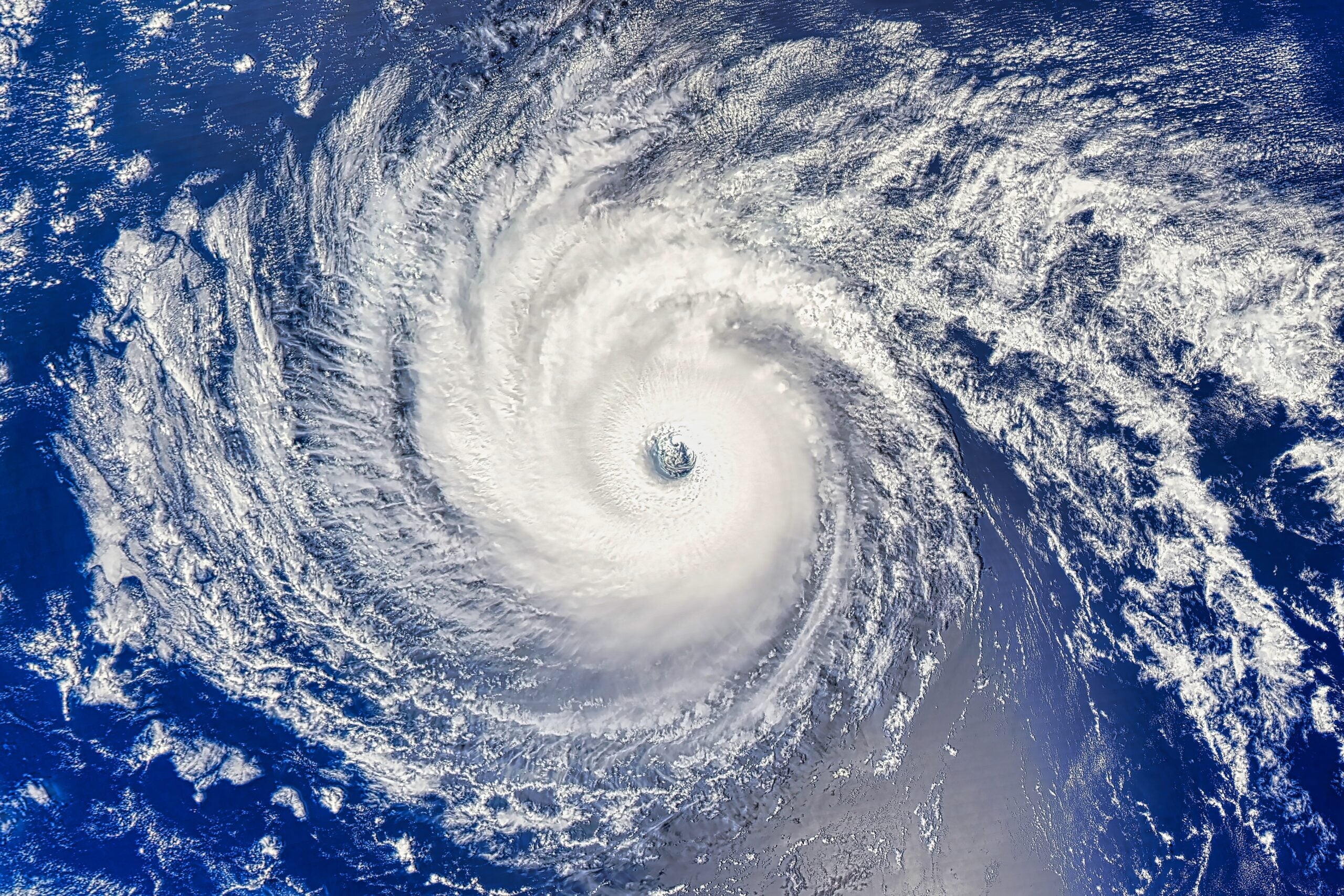
As Hurricane Milton rapidly intensified and moved towards Florida, the Port of Tampa was actively preparing for the storm’s impact.
Port Tampa Bay stated on Sunday afternoon that it is monitoring the storm and collaborating with local and state partners. The port has activated its weather advisory team to monitor effects on the port and its channels.
Milton is expected to bring heavy rainfall to Florida from Monday through Wednesday evening. Weather forecasters predict 5 to 10 inches of precipitation in parts of the Florida peninsula and the Keys, with some areas seeing up to 15 inches. The National Hurricane Center (NHC) warns that these rains will cause severe flooding.
The hurricane center described Milton’s rapid intensification as “surprising” and noted that it had developed into a Category 5 storm by Monday afternoon. Although expected to weaken before reaching the Florida Gulf Coast, it is still forecasted to make landfall with life-threatening intensity.
The National Weather Service Tampa Bay office stated that the landfall could occur anywhere from Cedar Key to Fort Myers.
If the eye of the storm approaches Tampa, the city may experience a storm surge as high as 12 feet—historically unprecedented levels.
President Joe Biden issued an emergency declaration for Florida on Monday, allowing the Federal Emergency Management Agency (FEM) to provide assistance.
The U.S. Coast Guard warned Sunday that the port could face strong winds within the next 48 hours. Operations were normal on Monday.
“Port Tampa Bay is fully prepared to meet Hurricane Milton and ensure life safety, environmental protection, and resilience of maritime commerce,” said the port in a statement.
Cruise operations at the port are expected to be affected.
To prepare for the storm, Tampa International Airport will suspend operations starting 9 AM Tuesday. Peter O. Knight Airport, Tampa Executive Airport, and Plant City Airport will also close.
Port Panama City, Seaport Manatee, Port St. Pete, Jacksonville Port Authority, and Port Canaveral are expected to face strong winds but remained open on Monday.
According to supply chain data monitoring firm Resilinc, Milton is anticipated to significantly impact the aerospace, life sciences, general manufacturing, oil and gas, and freight industries.
Everstream Analytics’ chief meteorologist Jon Davis said that offshore natural gas and oil platforms will be affected by the storm.
The most vulnerable agricultural areas are expected to be in the citrus belt, where early harvests have just begun. Damage to trees could have long-term impacts, he noted.
Davis also pointed out that the storm is likely to moderately affect supply chain hubs in Miami and Jacksonville, Florida, as well as Savannah, Georgia.
On Monday, mandatory evacuations were ordered for Charlotte and Hillsborough counties.
Tampa Bay meteorologists urged residents to complete their hurricane preparations over the next two days.
—
Source: FreightWaves